Commercial Weed & Vegetation Management in the Hudson Valley
A Cleaner Perimeter Gives Pests Fewer Places to Hide.
Weeds and unwanted vegetation around buildings, fence lines, equipment and other commercial areas can create more than an appearance problem.
Dense growth can conceal rodent activity, interfere with inspection, increase trimming demands and make exterior facility management more difficult.
Hollenbeck’s existing Vegetation Management Service (VMS) is designed specifically to eliminate unwanted plants around commercial facilities.
Control the Vegetation. Improve the Perimeter. Support the Pest Program.







Get a Free Quote
Tell us what pests you are seeing, where the activity is happening, and whether you need one-time service or ongoing protection. Our team will help recommend the right residential pest control option for your home.
IF YOU CAN’T SEE WHAT IS HAPPENING ALONG THE BUILDING
It Is Harder to Manage What Is Happening There
Exterior walls should be inspectable.
Utility penetrations should be visible.
Monitoring equipment should be accessible.
Vegetation growing against these areas makes that more difficult.
It can also provide concealed travel and shelter for rodents and other pests.
Hollenbeck’s current VMS program specifically identifies reduction of pest and rodent harborage, less manual trimming and improved facility appearance among its benefits.
Exterior Facility Management Works Best as One System

Reduce concealment around building perimeters while monitoring for mice and rat activity.

Large industrial perimeters benefit from improved visibility around walls, loading areas and utility zones.


Property edges and vegetation can become relevant where employees or customers use outdoor areas.

Outbuildings, brush and concealed exterior areas can influence how wildlife uses commercial properties.

Mapped fly lights, monitoring records and trend information can support regulated facility pest programs.
WHY CHOOSE HOLLENBECK?
THIS IS VEGETATION MANAGEMENT WITH A PEST-CONTROL PURPOSE
Not Just Another Landscaping Service
The objective is not creating decorative flower beds.
The objective is controlling unwanted growth where it interferes with facility management.
Hollenbeck’s existing VMS program identifies five primary benefits:
- Eliminating unwanted vegetation
- Reducing harborage for rodents and other pests
- Reducing labor and equipment used for hand trimming
- Managing irritating or invasive plants such as poison ivy and sumac
- Improving facility appearance
Why Commercial Facilities Choose Hollenbeck
- Family-Owned Hudson Valley Company
- More Than Four Generations of Pest-Control Experience
- QualityPro Certification
- Board Certified Entomologist on Staff
- Integrated Pest Management Perspective
- Commercial Vegetation Management
- Rodent & Wildlife Expertise
- Customized Facility Programs
- Exterior Inspection Experience
- Local Responsive Service
Ready to Get Started?
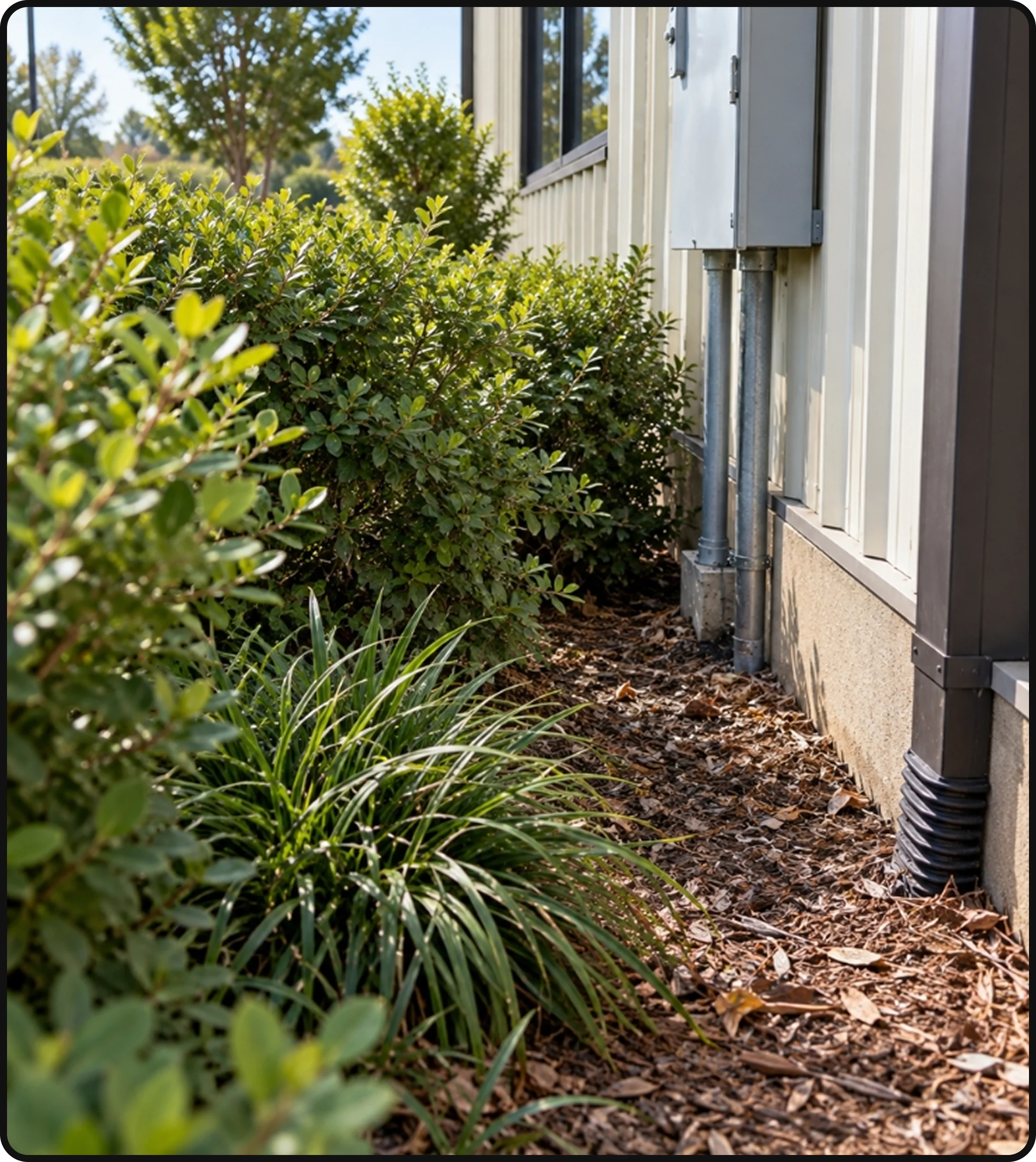
VEGETATION CAN HIDE THE THING YOU NEED TO SEE
Clearer Perimeters Make Better Inspections
Heavy vegetation can conceal:
- Rodent burrows
- Foundation openings
- Damaged utility penetrations
- Standing water
- Insect activity
- Wildlife evidence
- Exterior monitoring devices
- Building damage
- Fence-line issues
- Equipment access
A cleaner perimeter improves visibility.
And visibility is one of the foundations of prevention.
HOW HOLLENBECK MANAGES COMMERCIAL VEGETATION 1–4
01
Identify the Problem Areas
We evaluate where unwanted vegetation is interfering with the facility, inspection or pest-management program.
02
Prioritize High-Value Zones
Foundations, fence lines, utility areas, equipment zones and other critical locations can receive particular attention.
03
Apply the Appropriate Vegetation Program
Treatment is targeted toward the unwanted growth identified for management.
04
Maintain the Result
Vegetation grows back.
Recurring management can help keep important commercial areas accessible, visible and easier to maintain.
Special Offers
More Ways to Save on Pest Control
$50 off
Initial Pest Control Treatment
Get $50 off your initial pest control treatment when you sign up for an annual pest protection plan.
Cannot be combined with other offers or discounts. General pest control only. New customers only.
$25 off
Your Next Service
Refer a friend, family member, or neighbor to Hollenbeck Pest Control and receive $25 off your next service when the person you refer signs up for an annual pest protection plan.
Cannot be combined with other offers or discounts. Account must be in good standing. Referee must complete service.
Trusted by Homeowners Throughout the Hudson Valley
Posted on Google
 Hoodpunk 'd
Trustindex verifies that the original source of the review is Google.
Quick fast professional service thanks got rid of wasp nest in in a few minutes!! Thanks! LizPosted on Google Robert WickhamRob was amazing. He knew exactly what to do and wasn’t afraid to get dirty and get the job done. An absolute professional, and sweet to my young son who was there too. I am so happy we called when we did!Posted on Google
 Michael ReganCame same day as called and Robert did an amazing job at removing an inside nest.Posted on Google
 John mullarkey
Trustindex verifies that the original source of the review is Google.
Very well managed called that day tech was there latter same day sprayed for flies do to a decaying rodent somewhere under house we could not get to very happy with responsePosted on Google Roy WExcellent, professional customer service. We have been customers of HOLLENBECK PEST CONTROL for several years. We’ve had other pest control services come to our home offering services, but our belief is if it’s not broke do not fix it. Tiffany, Nora, and the rest of the team are simply outstanding and so responsive to our needs. We highly recommend them for Quality service with great outcomes.Posted on Google
 Mike TomassiHave been with Hollenbeck pest control for 3 years, and all the problems I’ve had were taken care of. The technicians are very well educated and knowledgeable. I’ve had Max for a few years and is just fantastic.Posted on Google
 David LopezIf you don’t have Hollenbeck your missing out!Posted on Google
 Susan RiccardiThis was a free inspection and Floyd, was great, he friendly, answered all my questions and showed up on time. I really appreciated his professionalism and he put my mind at ease. If I have any problems in the future I will definitely reach back out.
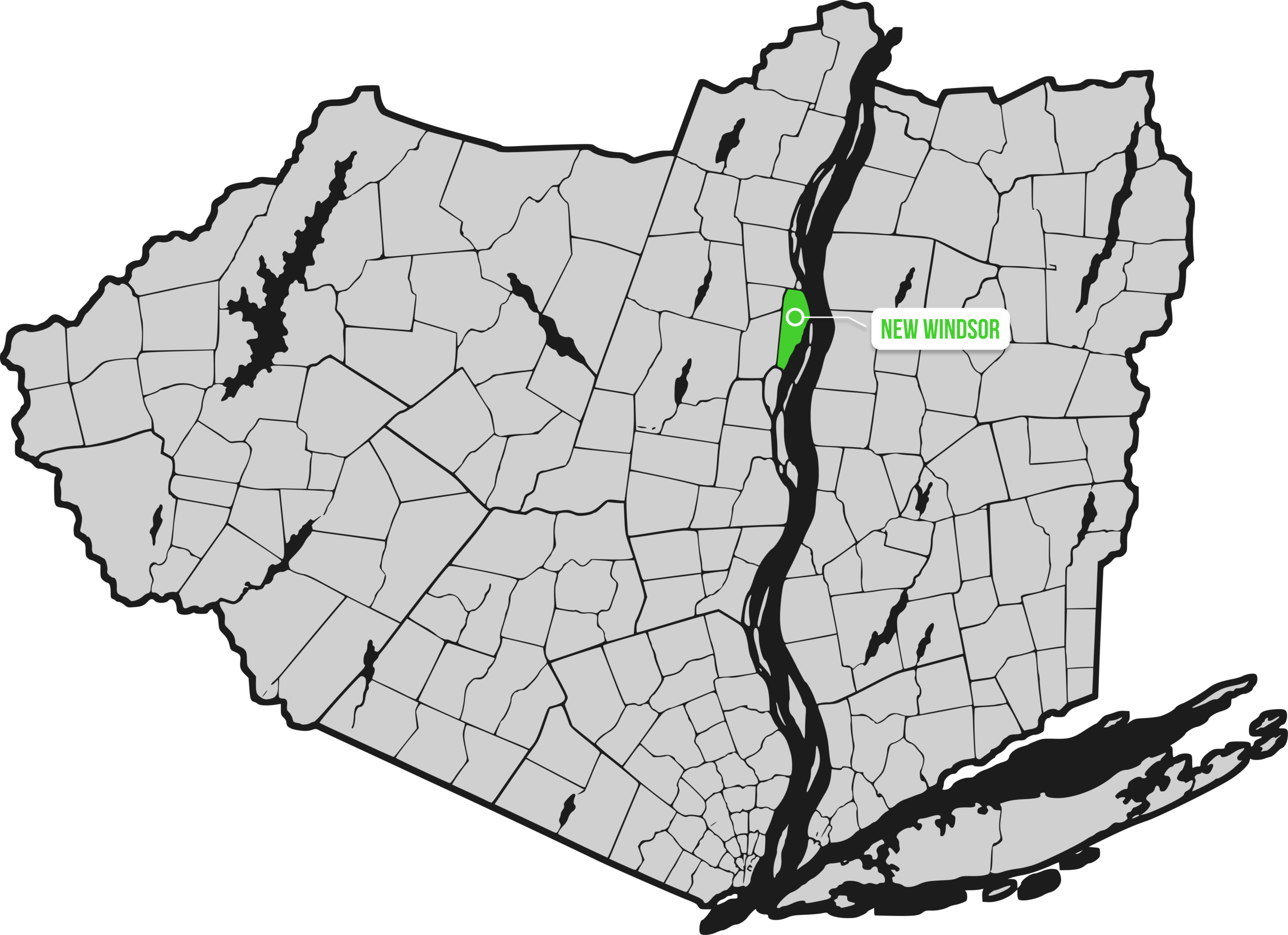
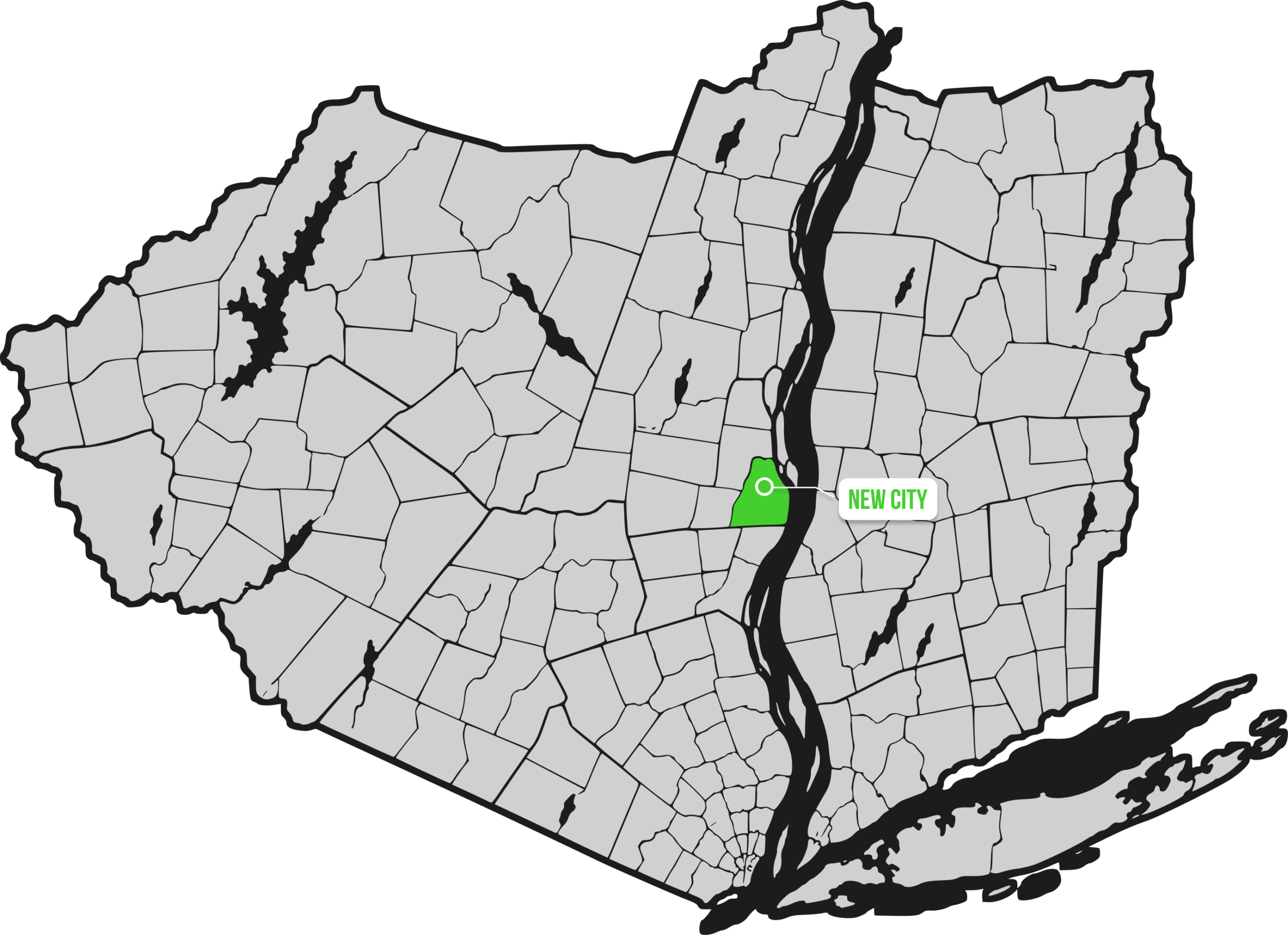
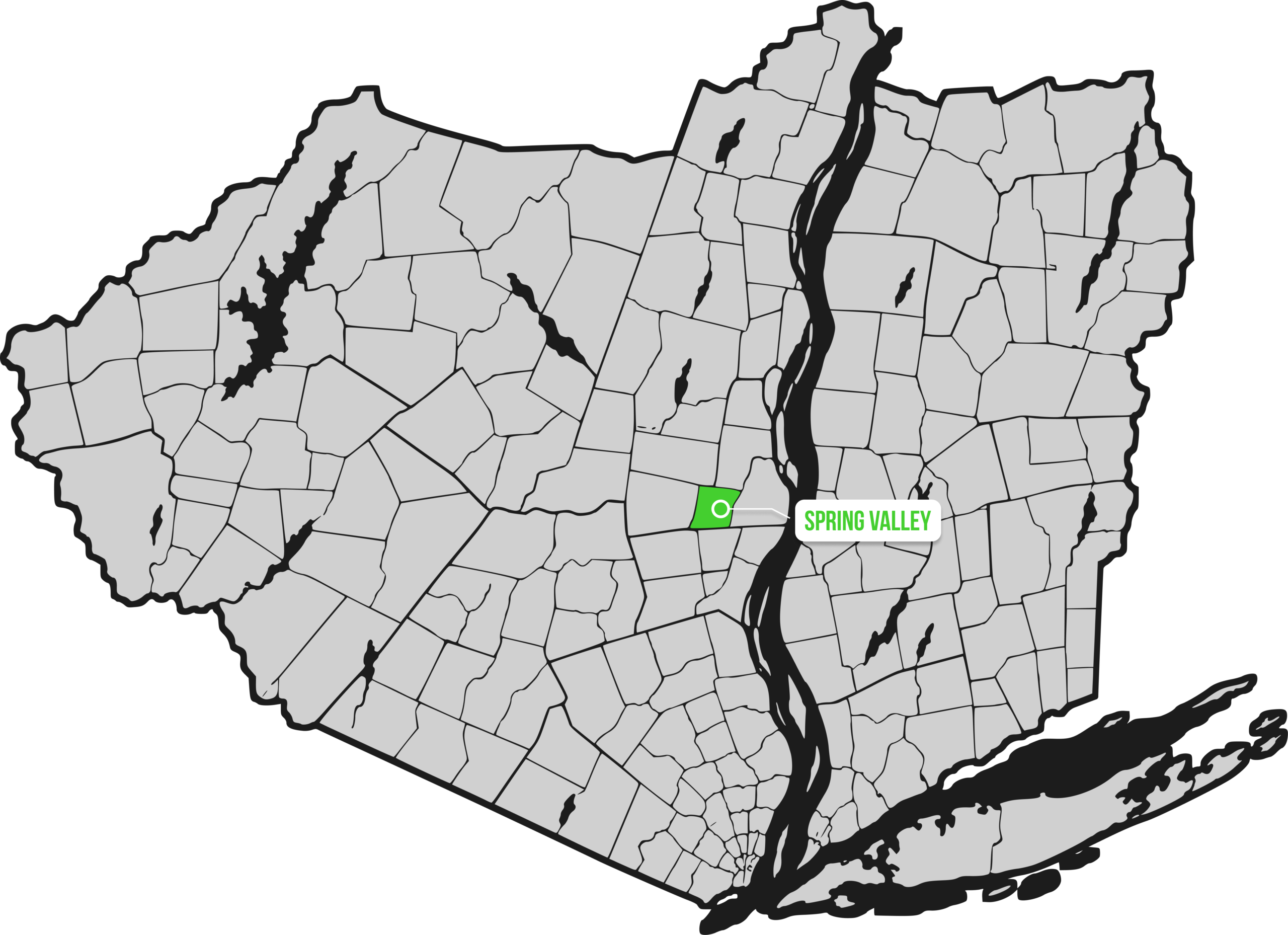
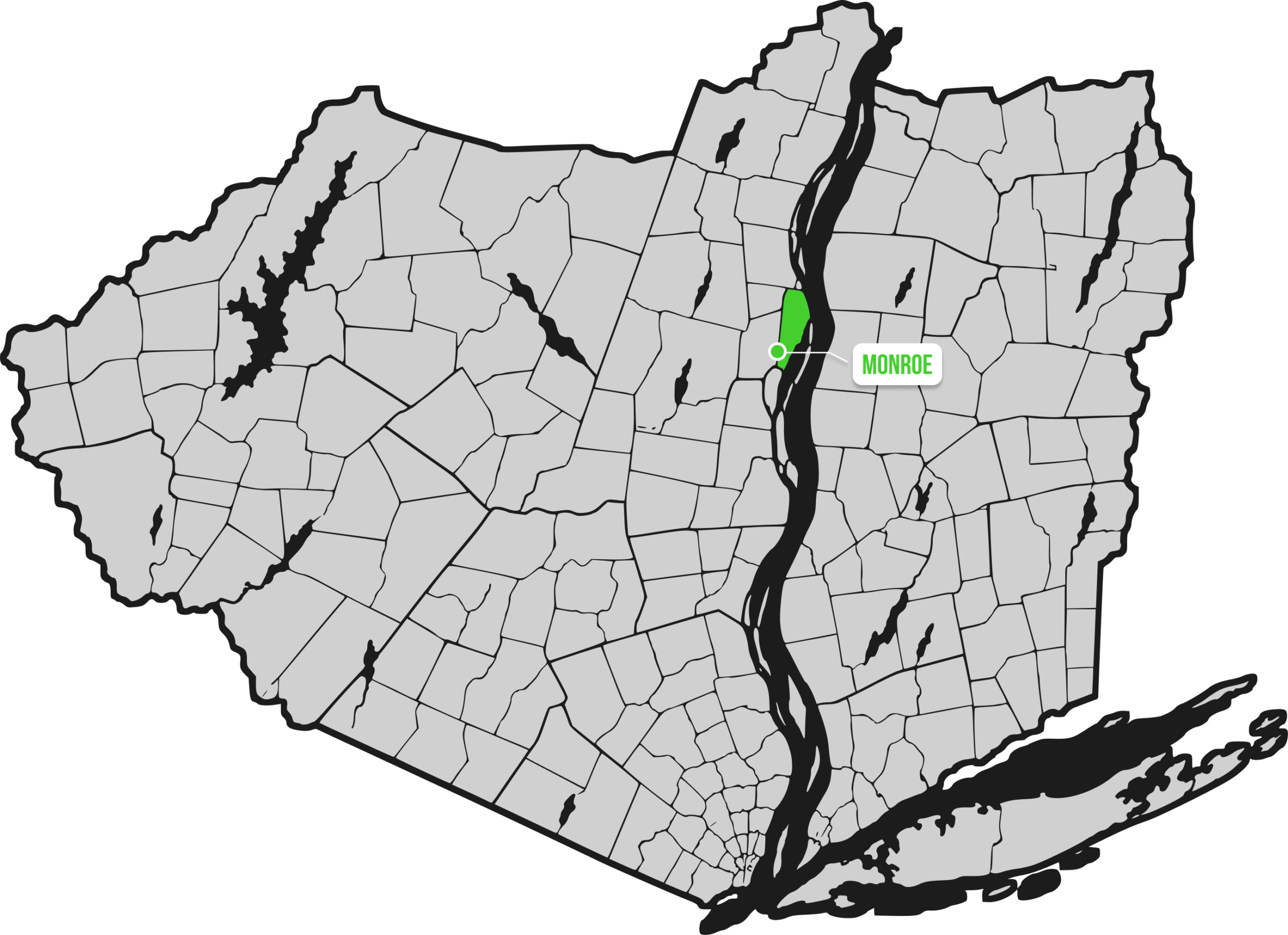
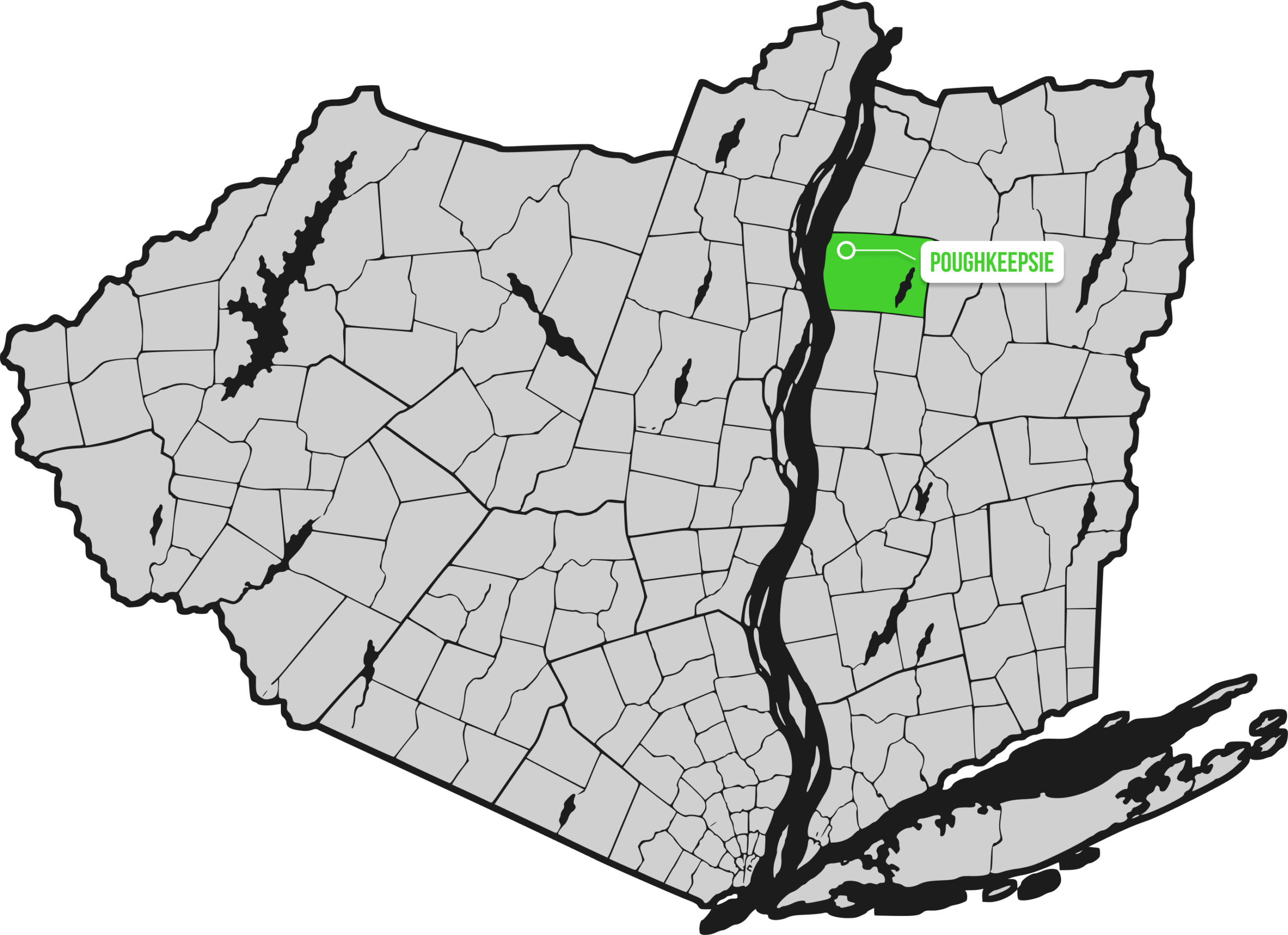
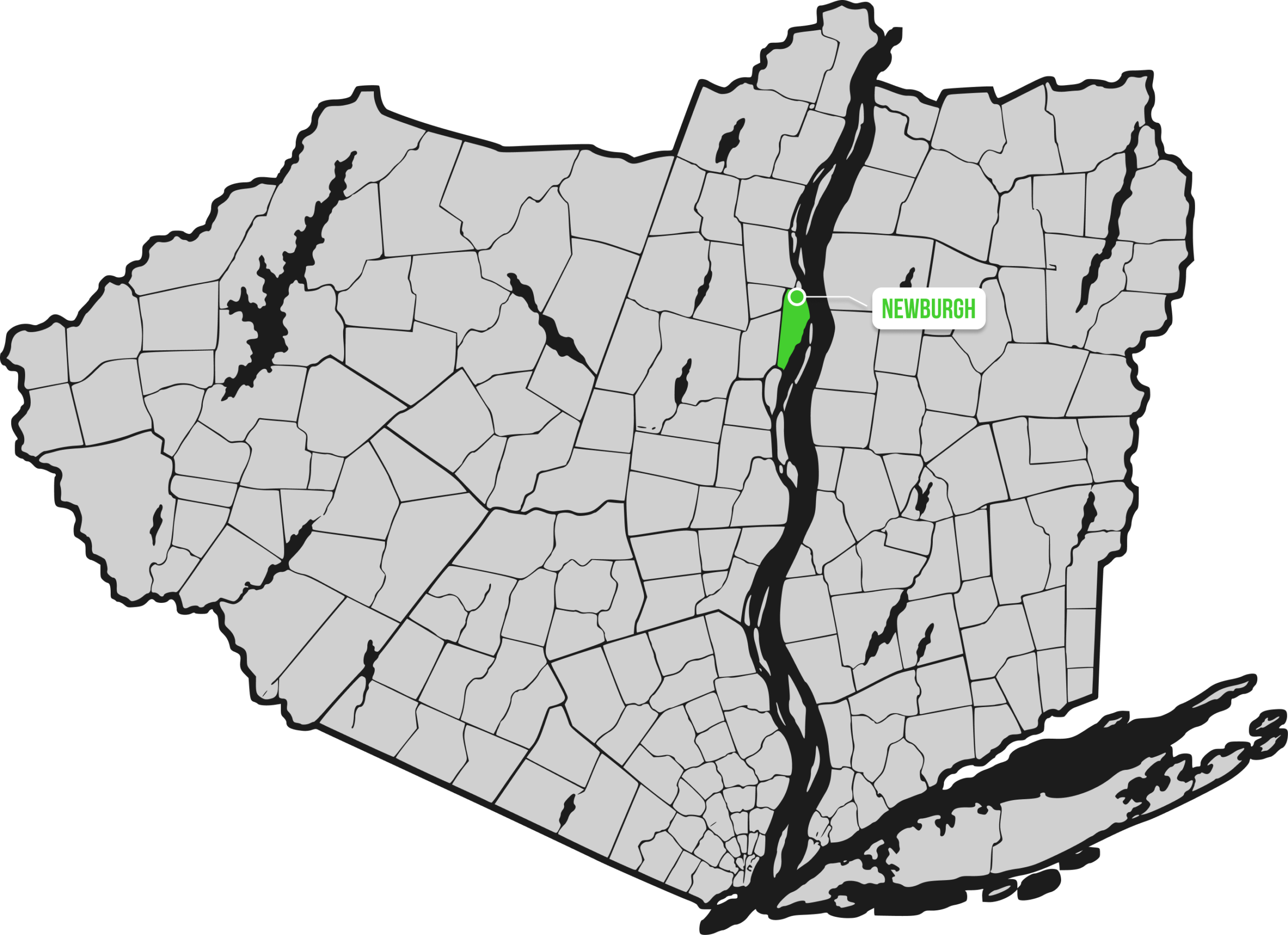
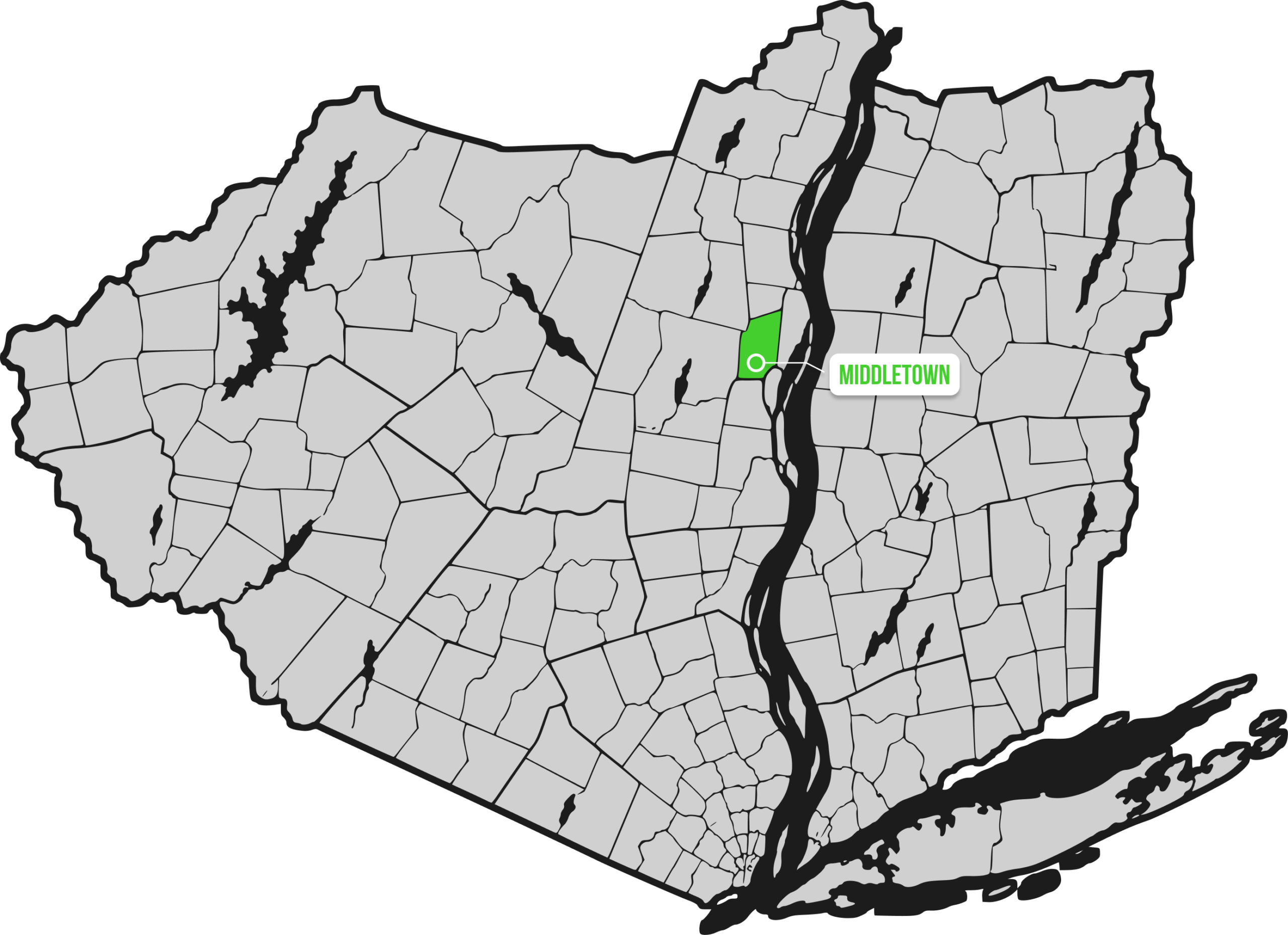
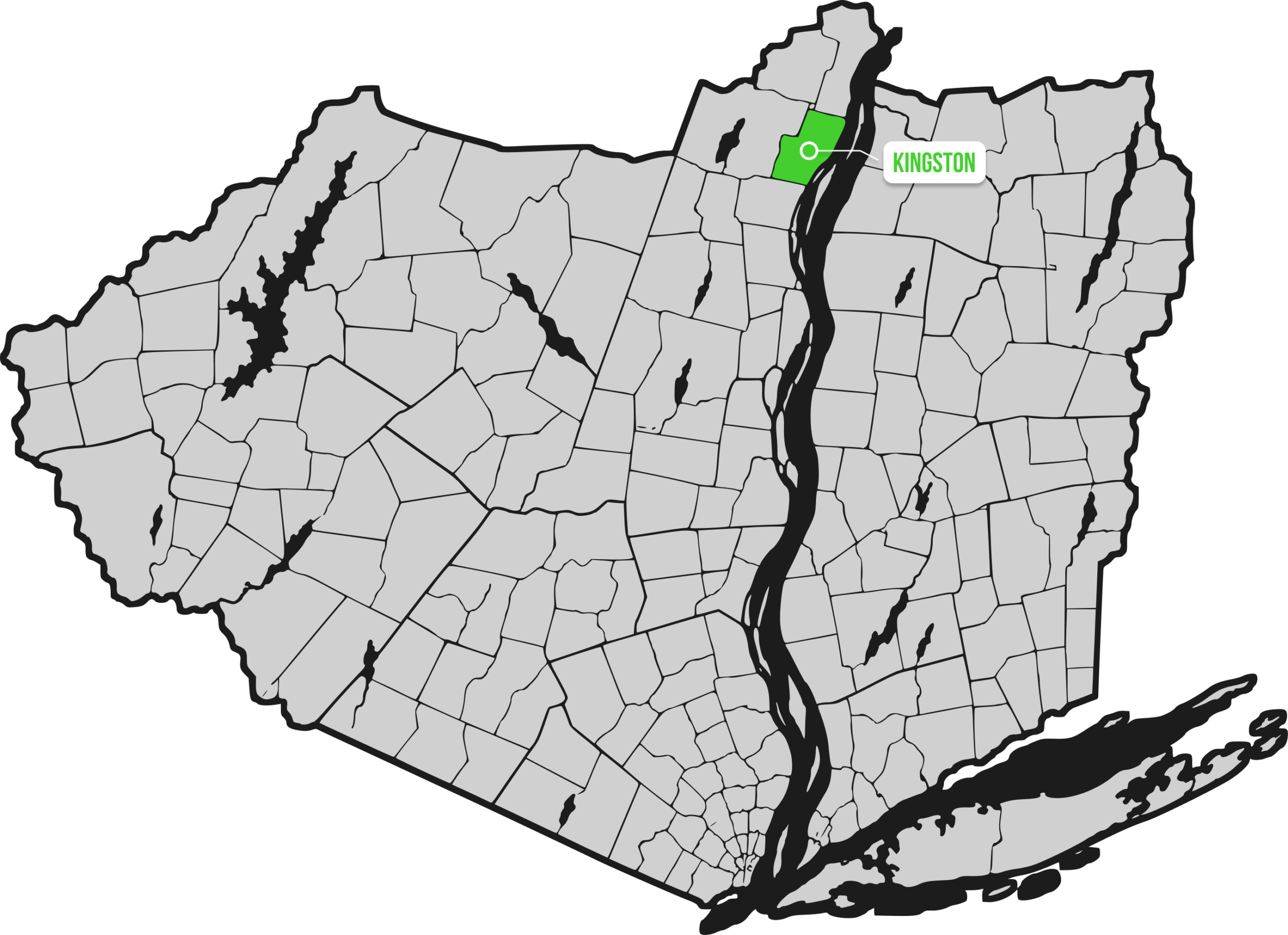
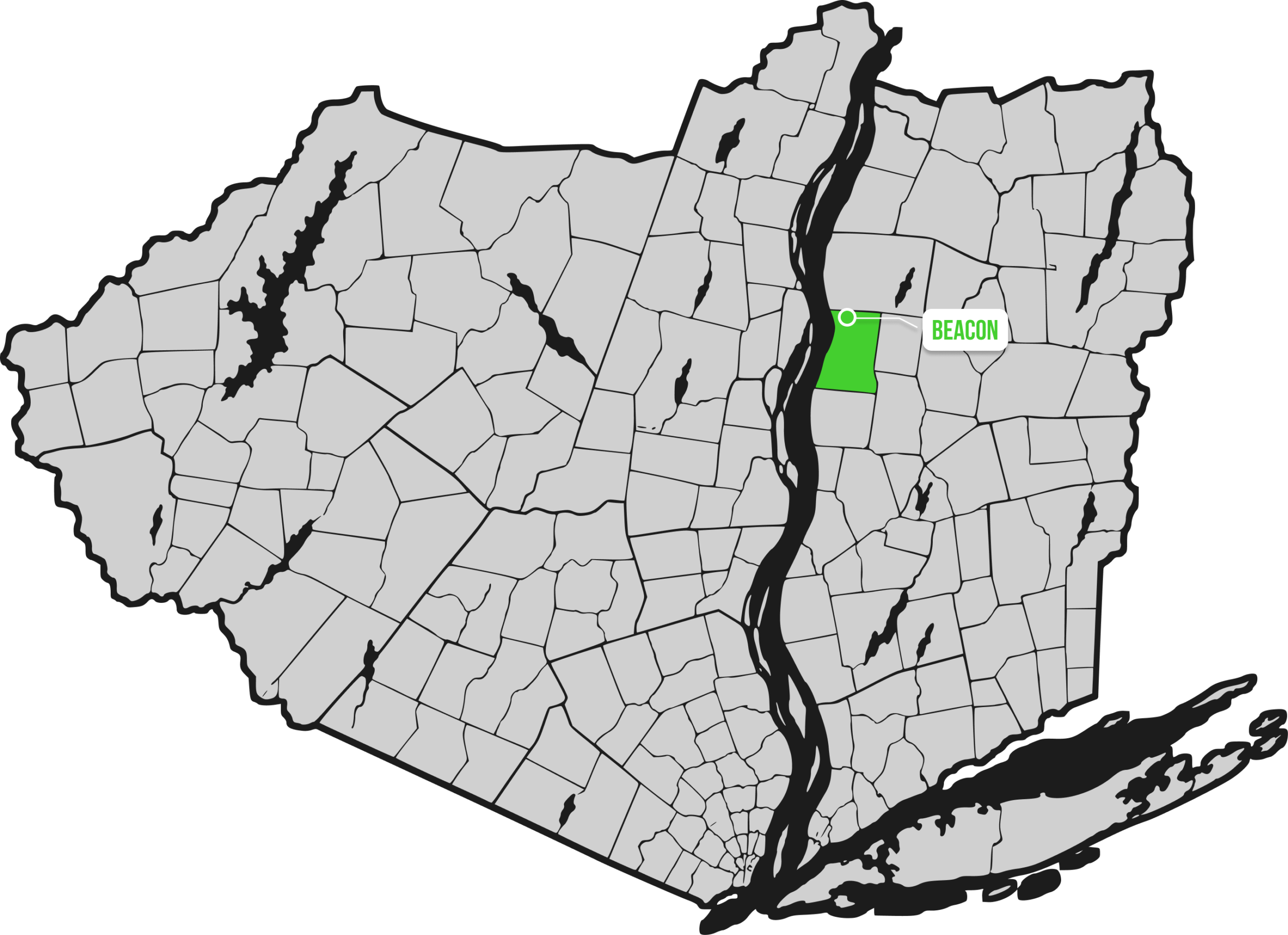
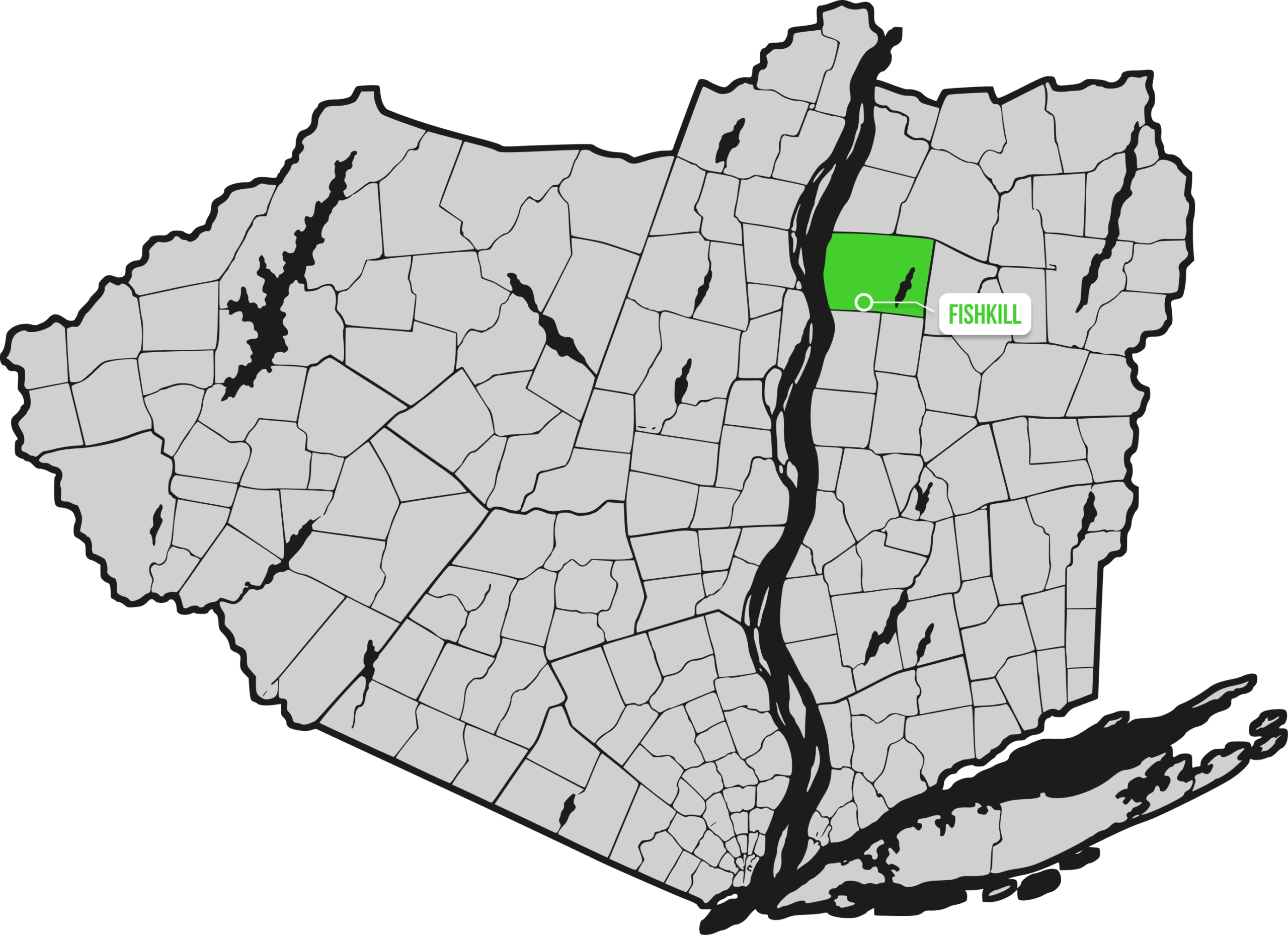
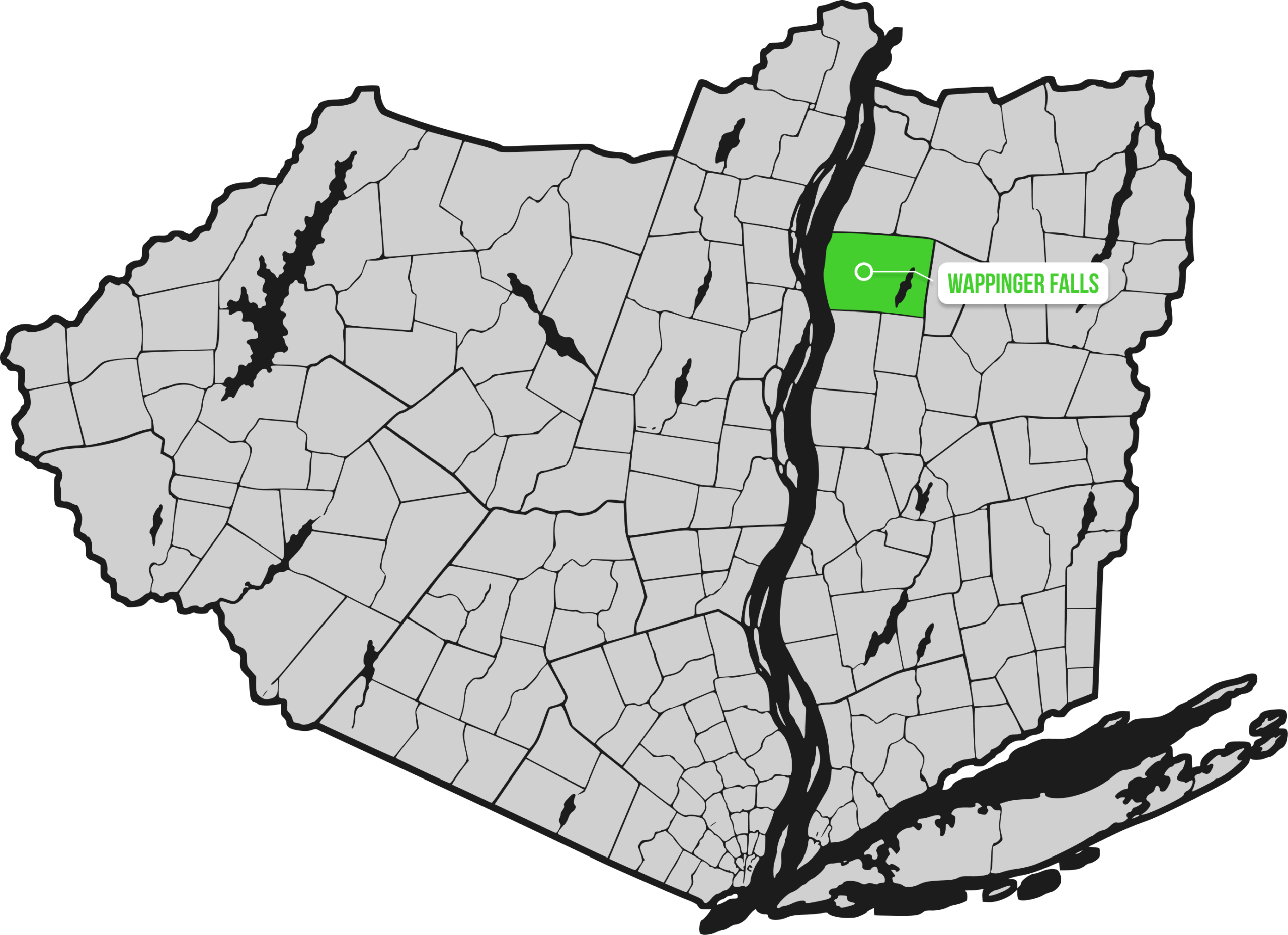
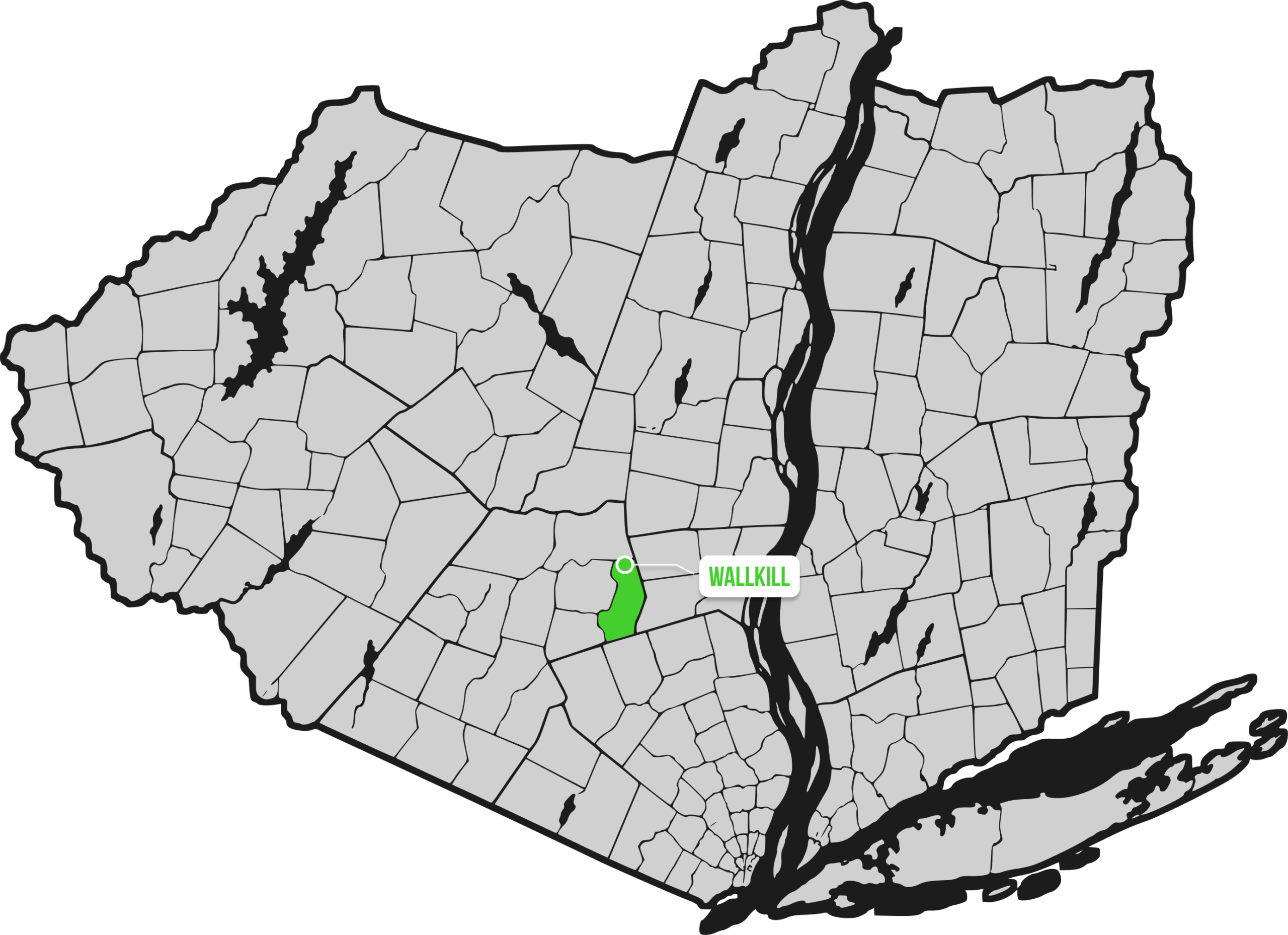
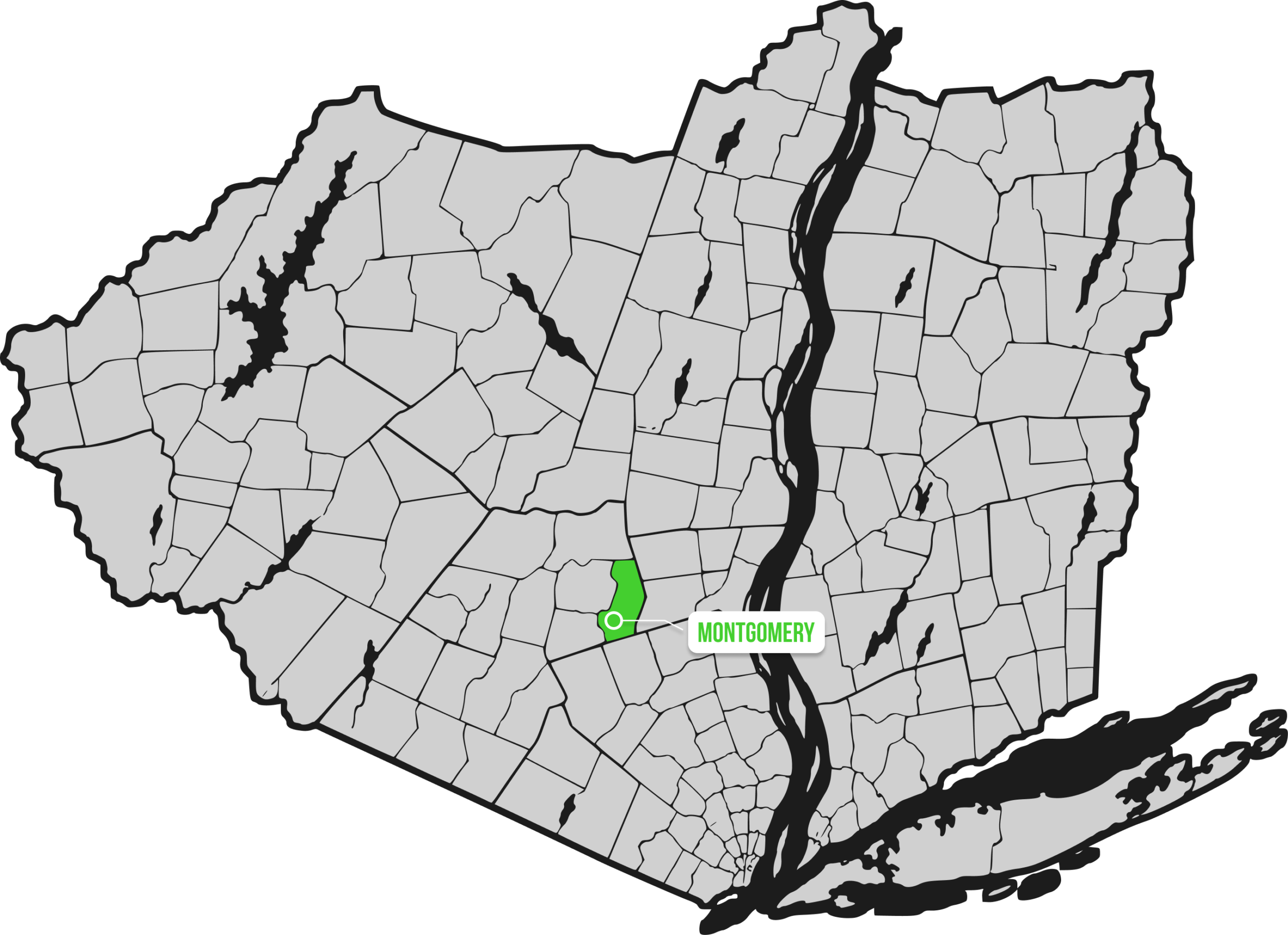
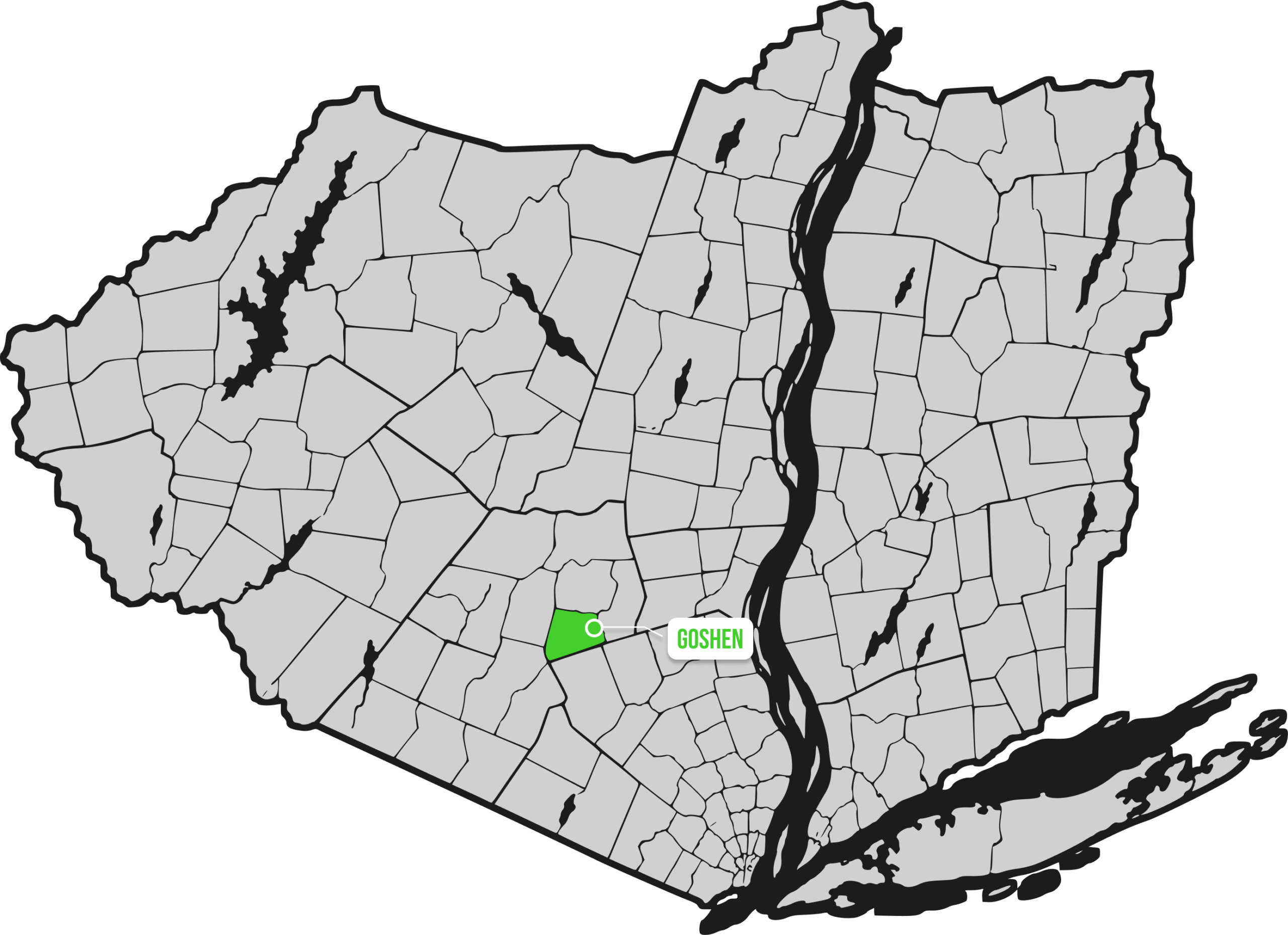
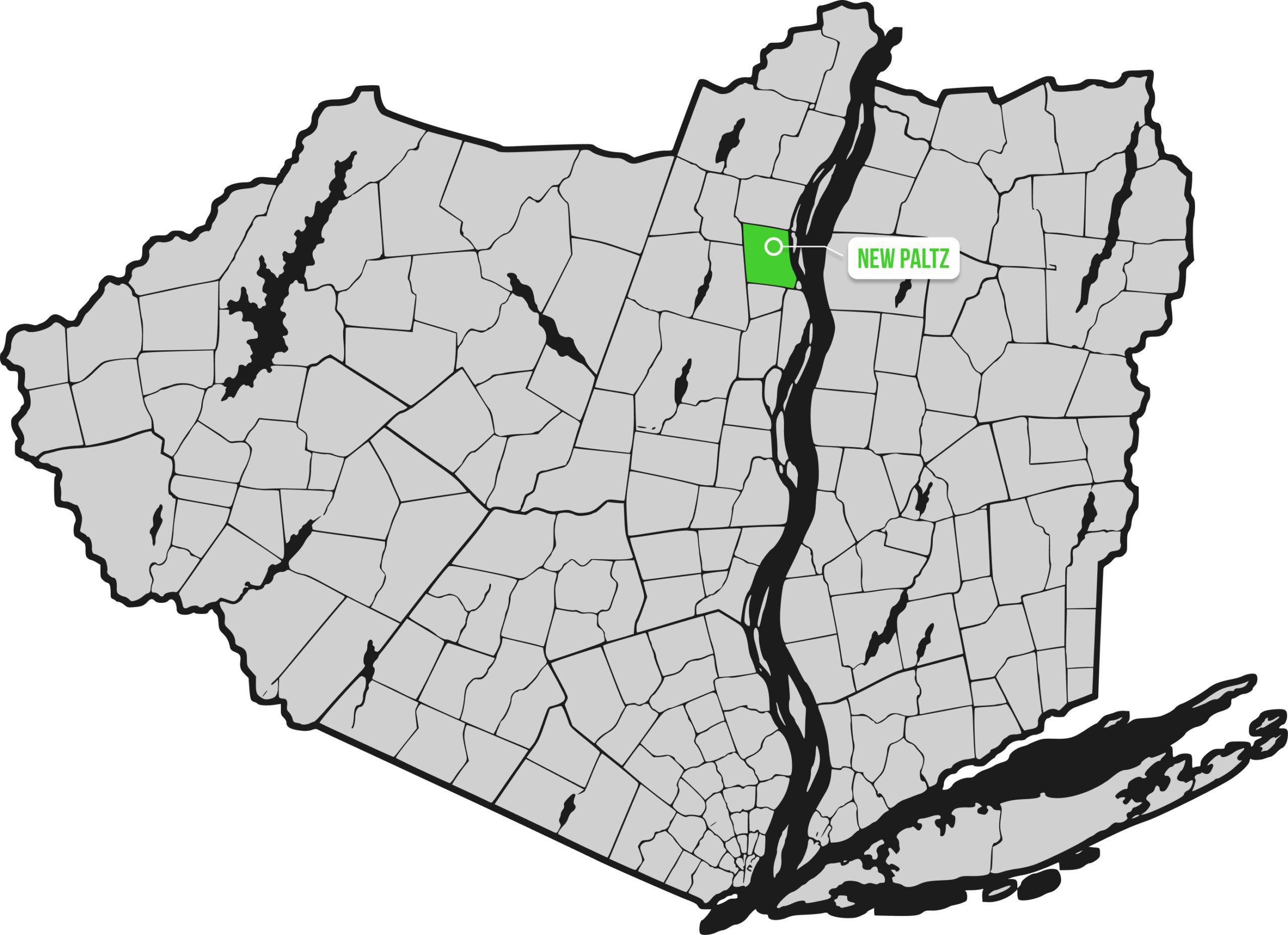
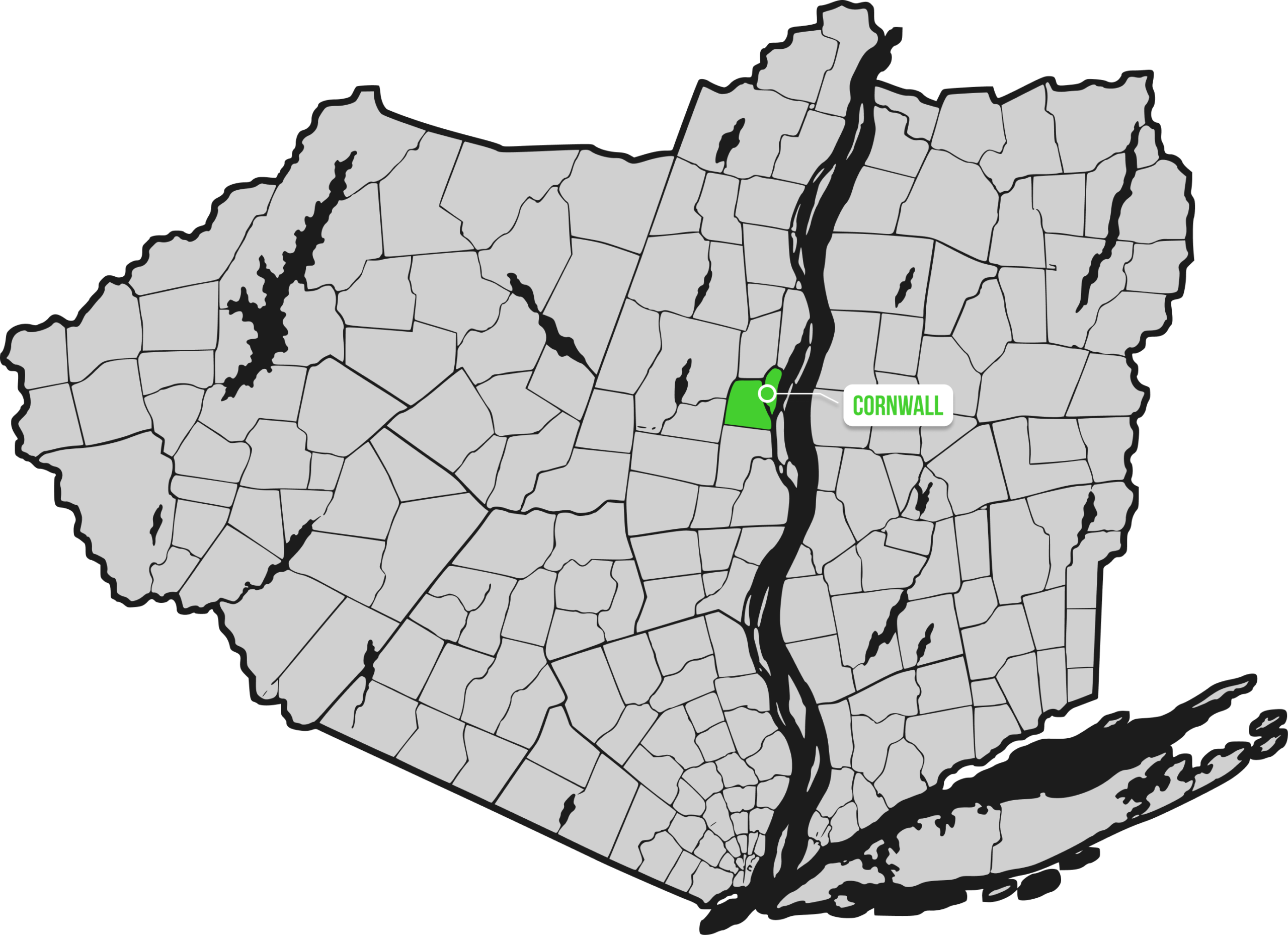
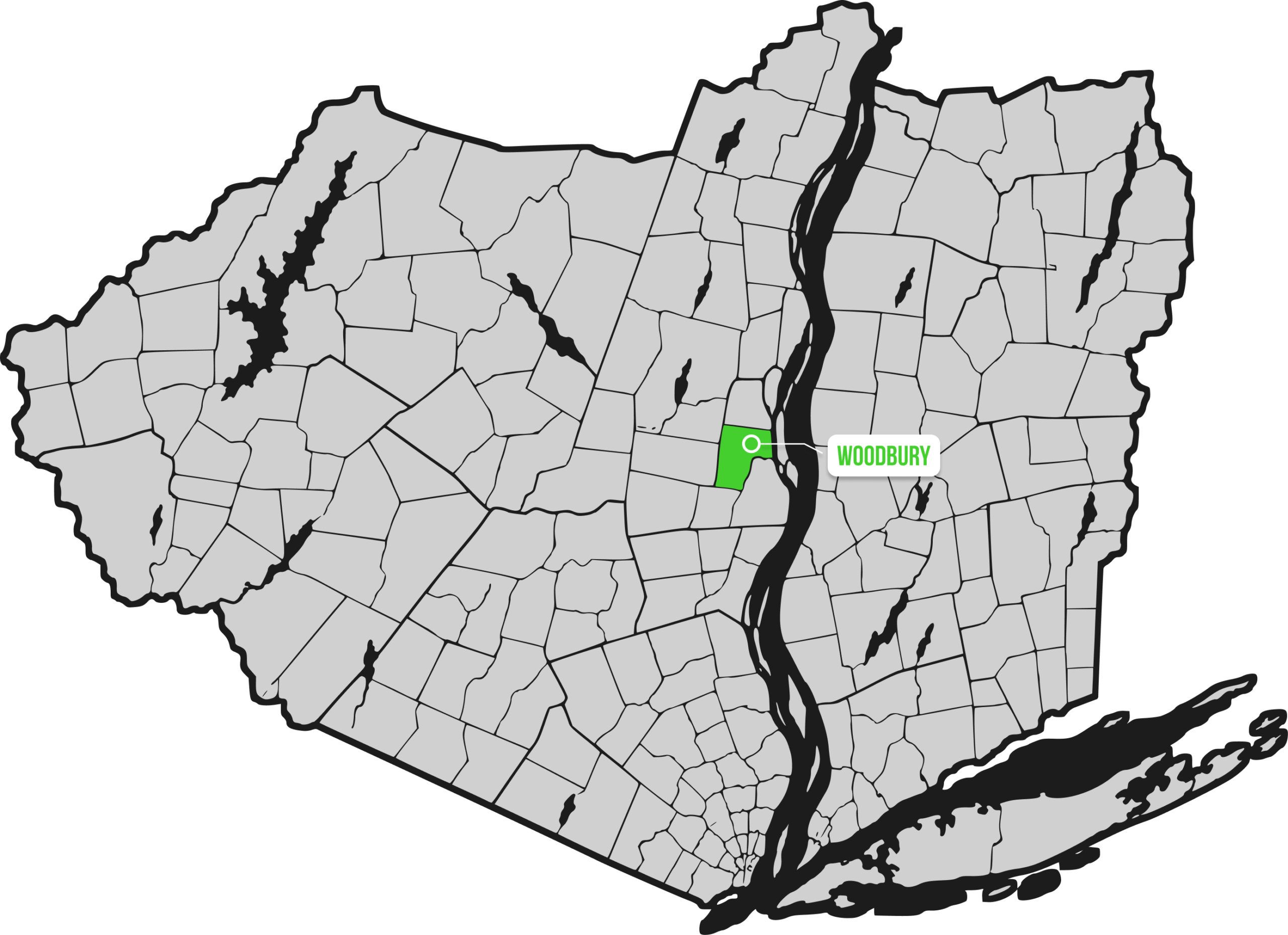
Commercial Vegetation Management Across the Hudson Valley
The Best Commercial Pest Inspection Starts With Being Able to See the Building
Walk around the exterior of a commercial facility.
Can you clearly see the foundation?
Can you inspect the utility penetrations?
Can you access rodent stations?
Can you see where siding or masonry has been damaged?
Can you identify a burrow along the wall?
Or is the entire perimeter hidden behind weeds and overgrowth?
That difference matters.
Vegetation management makes the property easier to inspect—and easier to manage.
Rodents Prefer to Move With Cover
Mice and rats are vulnerable in exposed spaces.
Dense growth provides concealment.
Tall weeds, brush and unmanaged vegetation close to a commercial building can therefore make exterior rodent movement harder for people to notice.
Hollenbeck’s existing VMS page directly identifies reduction of rodent and pest harborage as a benefit of vegetation management.
That makes vegetation work a logical companion to exterior rodent monitoring.
Monitoring Devices Need to Remain Accessible
Commercial rodent programs may include exterior bait stations or other monitoring devices.
Those devices need inspection.
A technician should be able to reach them.
Management should be able to see the surrounding area.
Vegetation allowed to engulf devices creates unnecessary difficulty.
Keeping the perimeter controlled makes the pest program easier to maintain consistently.
Foundation Visibility Helps Find Entry Points
A rodent does not need a large hole.
A small opening around a utility penetration can be enough to deserve attention.
The same is true of door edges, wall transitions and damaged exterior materials.
When weeds cover the wall, those details disappear.
Vegetation management will not seal an entry point.
It helps make the entry point easier to find.
That is an important distinction.
Industrial Properties Often Have Difficult-to-Maintain Areas
Not every exterior area is maintained like the front entrance.
Behind the warehouse.
Along a fence line.
Around utility equipment.
Near storage yards.
Beside transformers.
Around mechanical areas.
These locations may receive less routine landscape attention but still matter from a pest-management standpoint.
A targeted VMS program can focus on these operational zones instead of treating the service like ornamental lawn care.
Fence Lines Can Become Forgotten Corridors
Long commercial fence lines are easy to overlook.
Weeds build up.
Vines climb.
Debris collects.
Visibility decreases.
For a warehouse or industrial facility, that can create an unmanaged border where rodents, wildlife and other activity become harder to detect.
Maintaining these areas improves both appearance and inspection access.
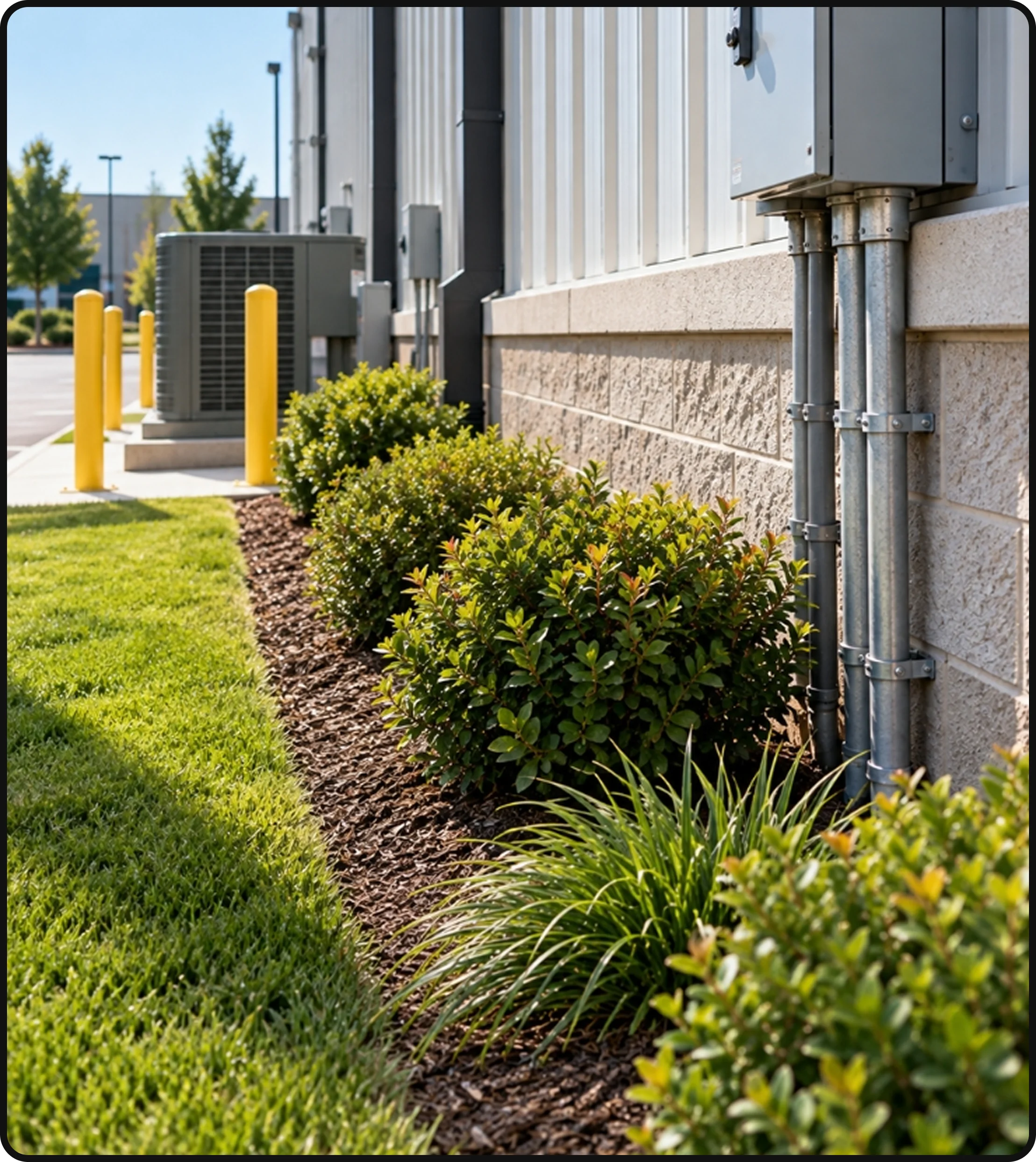
Utility Areas Need Clear Access
Commercial buildings rely on numerous exterior components.
Electrical equipment.
Gas service.
Pipes.
Communication lines.
HVAC equipment.
Drainage infrastructure.
Vegetation around these areas can interfere with normal access in addition to creating concealment.
A clear zone helps maintenance personnel as well as pest technicians.
Poison Ivy and Irritating Vegetation Create Employee Concerns
Not all unwanted vegetation is simply unattractive.
Hollenbeck’s current VMS page specifically identifies poison ivy, sumac and other irritating or allergy-causing plants as targets of the program.
That adds an employee and property-access component to vegetation management.
Removing or reducing problematic growth can make exterior work areas easier to navigate.
Repeated Hand Trimming Costs Money
A facility manager may solve unwanted vegetation by sending an employee outside with a string trimmer.
Then do it again.
And again.
And again.
Across a large industrial site, that labor adds up.
Hollenbeck’s current VMS service specifically positions reduced labor and equipment needs as a benefit.
That makes the service an operational decision as well as a pest-management decision.
Vegetation Can Hold Moisture Close to the Structure
Dense growth can shade exterior surfaces and limit air movement.
Depending on the location, it can also make drainage or moisture conditions more difficult to observe.
Moisture near commercial structures deserves attention because it can influence several pest environments.
Again, vegetation management does not fix a drainage problem.
It improves access and visibility so the facility can identify what needs correction.
Employee Entrances and Break Areas Deserve Special Attention
A manufacturing property may have acres of grounds.
Employees may only regularly use a small portion of them.
Entrances.
Smoking areas.
Outdoor tables.
Parking-lot pathways.
Those are high-value places to keep maintained because employees interact with them every day.
Vegetation management can support broader tick, stinging-insect and pest-management programs in these zones.
Appearance Still Matters
Pest management is not the only reason to maintain the exterior.
Customers see it.
Employees see it.
Vendors see it.
Inspectors see it.
A facility surrounded by uncontrolled weeds gives a very different impression from one with clearly maintained operational areas.
Hollenbeck’s existing VMS program specifically identifies improved facility aesthetics as a benefit.
Vegetation Management Supports Audit Readiness
For audited facilities, the exterior is not irrelevant.
A pest program should show that the building perimeter can be inspected and that conditions which could support pest activity are being addressed.
Hollenbeck’s audit-ready programs emphasize proactive risk management, monitoring and documented corrective actions.
Vegetation control can support that philosophy.
Spring Is Not the Only Time Vegetation Matters
Growth changes throughout the season.
Plants emerge.
Vines spread.
Weeds mature.
Seed develops.
Some species become more difficult to manage as they grow.
A recurring facility program can therefore be more useful than waiting until vegetation has already overwhelmed important areas.
Vegetation Management Is Part of the Exterior Defense
A strong commercial exterior program can involve:
Monitoring for rodent and insect activity.
Exclusion to correct structural openings.
Waste management to reduce food.
Drainage to reduce unnecessary moisture.
Vegetation management to reduce concealment and improve access.
Targeted pest treatment when necessary.
None of those components works perfectly in isolation.
Together they create a much stronger facility perimeter.
That is why Hollenbeck’s Vegetation Management Service belongs inside the commercial pest-control section of the website—not hidden as an unrelated landscape service.
Commercial Vegetation Management FAQs
Why do ants keep coming back after I spray them?
Sprays may kill visible worker ants without eliminating the colony responsible for the activity. If the nest remains active, additional ants can continue appearing.
What ants are common in the Hudson Valley?
Several ant species can become problems around Hudson Valley properties, including carpenter ants, pavement ants, and other common household ants. Proper identification is important because treatment strategies can vary by species.
Are carpenter ants dangerous to my home?
Carpenter ants don’t eat wood like termites, but they excavate wood to create nesting galleries. Established colonies inside structural wood can cause damage over time and may be associated with moisture problems.
How can I tell the difference between carpenter ants and termites?
Carpenter ants and termites differ in appearance and behavior. Carpenter ants excavate wood for nesting, while termites consume cellulose. Because both can indicate a potentially serious pest issue, professional identification is recommended.
Do you treat ants inside and outside?
Yes. Depending on the infestation, ant control may involve interior activity, exterior nesting areas, entry points, or a combination of treatments.
Does Hollenbeck offer ongoing ant prevention?
Yes. Hollenbeck offers preventative service plans covering more than 30 standard pests for customers who want ongoing protection.
Make the Building Easier to Inspect and the Perimeter Harder to Hide In.
Unwanted vegetation does more than affect appearance.
It can conceal pest activity, complicate inspections and increase maintenance work across the property.
Ask Hollenbeck how Vegetation Management Service can become part of your commercial pest-prevention program.