Bat Control in the Hudson Valley, NY
A Small Opening Near the Roof Can Lead to a Very Big Attic.
Hollenbeck Pest Control helps Hudson Valley property owners identify bat activity, locate potential access areas, and determine an appropriate exclusion strategy for the structure.








Get a Free Quote
Tell us a little about your pest control needs and how we can help. Our team will review your concerns and recommend the right solution for your property.
BAT PROBLEMS ARE OFTEN EASY TO HEAR AND HARD TO LOCATE
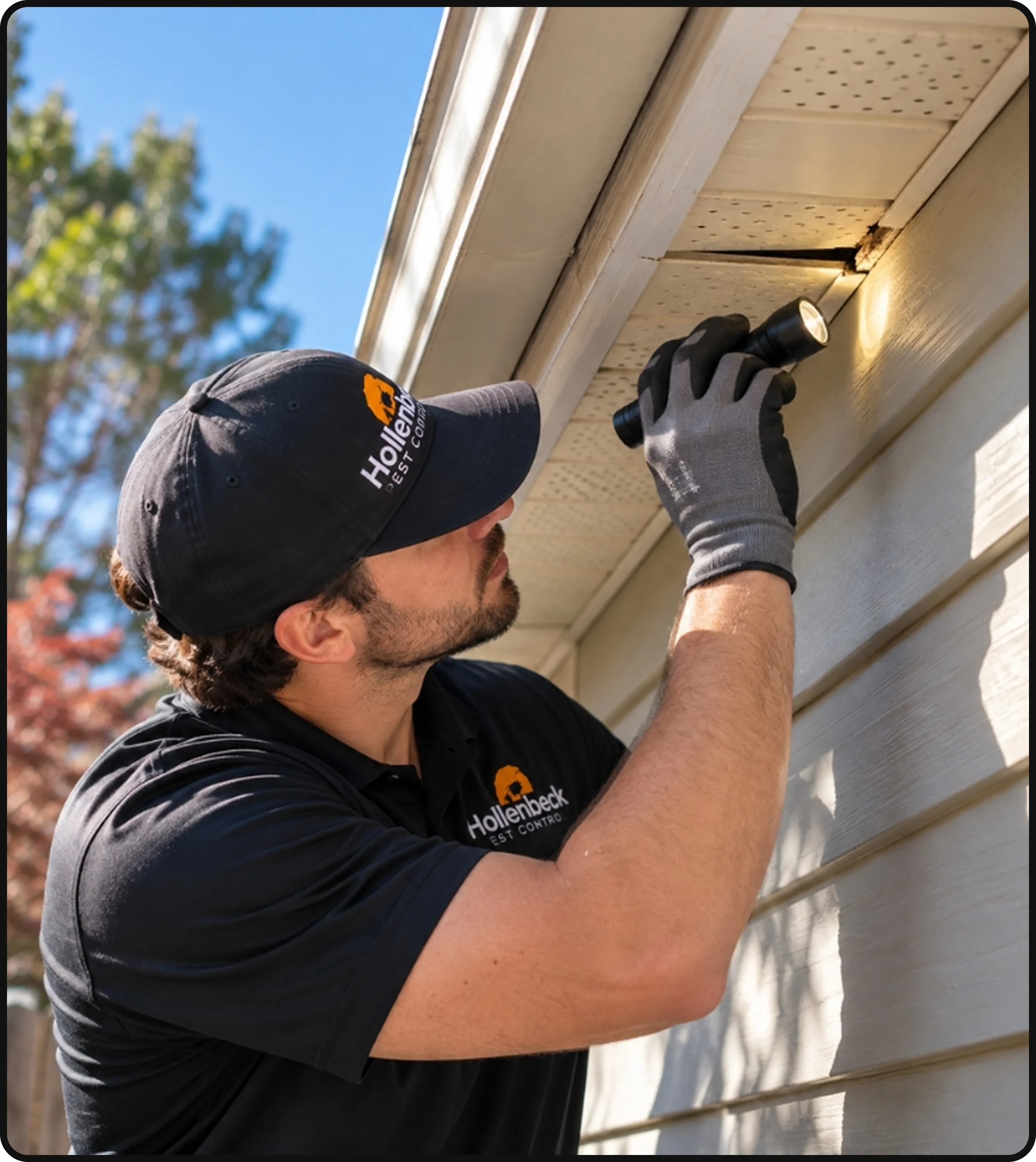
The Entrance May Be Only a Small Gap Along the Roofline
A bat does not need a damaged attic door.
The actual access point may be around:
- Fascia
- Soffits
- Roof intersections
- Flashing
- Vents
- Chimneys
- Siding transitions
- Other small upper-level gaps
From the ground, those openings can be difficult to see.
That makes careful exterior observation an important part of understanding a bat problem.
Wildlife Solutions From the Ground to the Roofline


Squirrels are agile climbers that can use trees, roofs and surprisingly small structural openings to reach attics and other areas.

Birds can create problems when nesting or roosting around rooflines, vents, commercial buildings and other portions of a structure.

Groundhogs can establish extensive burrows around yards, sheds, decks and other structures.

Skunks may den beneath decks, sheds and other protected locations and can become particularly difficult when activity occurs close to living areas.

Bats can use small openings to enter attics and other upper portions of buildings. Bat situations require careful evaluation of access and appropriate exclusion strategies.

Snakes may appear around foundations, landscaping, garages, basements and other areas where food or shelter is available.

From scratching in the walls to droppings in the basement, mice and rats leave plenty of signs behind. We find the problem and address it at the source.

Deer can cause considerable damage to ornamental plants and landscaping. Hollenbeck offers repellant service designed to help protect valuable plantings.
WHY CHOOSE HOLLENBECK?
BAT CONTROL IS PRIMARILY AN EXCLUSION PROBLEM
Finding the Opening Matters More Than Chasing the Bat
Bats often use buildings because the structure provides a protected roosting space.
That means simply dealing with one visible bat does not necessarily address how bats are getting into the building.
Hollenbeck focuses on understanding the structure and identifying potential routes of entry.
The Hollenbeck Approach Includes:
- More Than Four Generations of Regional Experience
- Local Family Ownership
- Careful Exterior Inspection
- Board Certified Entomologist on Staff
- QualityPro Certification
- Residential & Commercial Wildlife Service
- Roofline Evaluation
- Exclusion Recommendations
- Local Knowledge of Hudson Valley Properties
- Clear Communication About Next Steps
Safe. Effective. Guaranteed.™


Ready to Get Started?
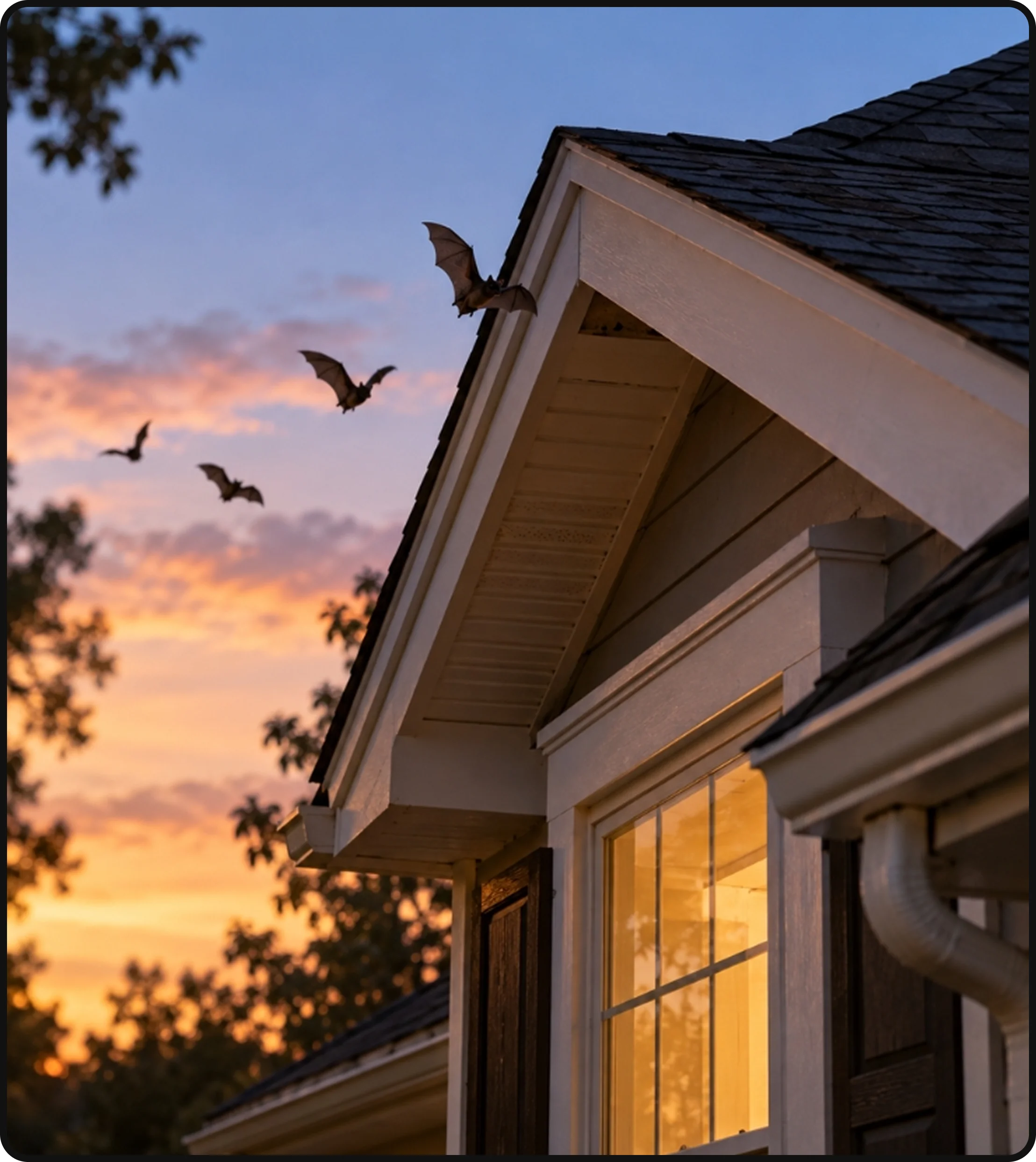
LOOK AT THE HOUSE AT DUSK
Sometimes the Best Clue Is Movement
A homeowner may never see the exact opening during daylight.
But observing where bats emerge from or return to a structure can provide valuable information.
Useful clues include:
- Repeated activity at the same roofline area
- Bat sounds from attics or walls
- Droppings beneath an entry area
- Visible gaps around the roof
- Activity around vents
- Bats appearing inside living spaces
The goal is to find the route—not simply the animal.
HOW HOLLENBECK APPROACHES BAT ACTIVITY
01
Confirm the Activity
We look at sightings, sounds, droppings, exterior movement, and other evidence consistent with bat use.
02
Identify Likely Entry Areas
Upper portions of the structure are evaluated for gaps and openings bats may be using.
03
Develop an Appropriate Exclusion Strategy
The timing and method depend on the situation found at the property.
04
Address Remaining Openings
Once active bat use has been appropriately handled, structural exclusion can help reduce the likelihood of repeat entry.
Special Offers
More Ways to Save on Pest Control
$50 off
Initial Pest Control Treatment
Get $50 off your initial pest control treatment when you sign up for an annual pest protection plan.
Cannot be combined with other offers or discounts. General pest control only. New customers only.
$25 off
Your Next Service
Refer a friend, family member, or neighbor to Hollenbeck Pest Control and receive $25 off your next service when the person you refer signs up for an annual pest protection plan.
Cannot be combined with other offers or discounts. Account must be in good standing. Referee must complete service.
Trusted by Homeowners Throughout the Hudson Valley
Posted on Google
 Hoodpunk 'd
Trustindex verifies that the original source of the review is Google.
Quick fast professional service thanks got rid of wasp nest in in a few minutes!! Thanks! LizPosted on Google Robert WickhamRob was amazing. He knew exactly what to do and wasn’t afraid to get dirty and get the job done. An absolute professional, and sweet to my young son who was there too. I am so happy we called when we did!Posted on Google
 Michael ReganCame same day as called and Robert did an amazing job at removing an inside nest.Posted on Google
 John mullarkey
Trustindex verifies that the original source of the review is Google.
Very well managed called that day tech was there latter same day sprayed for flies do to a decaying rodent somewhere under house we could not get to very happy with responsePosted on Google Roy WExcellent, professional customer service. We have been customers of HOLLENBECK PEST CONTROL for several years. We’ve had other pest control services come to our home offering services, but our belief is if it’s not broke do not fix it. Tiffany, Nora, and the rest of the team are simply outstanding and so responsive to our needs. We highly recommend them for Quality service with great outcomes.Posted on Google
 Mike TomassiHave been with Hollenbeck pest control for 3 years, and all the problems I’ve had were taken care of. The technicians are very well educated and knowledgeable. I’ve had Max for a few years and is just fantastic.Posted on Google
 David LopezIf you don’t have Hollenbeck your missing out!Posted on Google
 Susan RiccardiThis was a free inspection and Floyd, was great, he friendly, answered all my questions and showed up on time. I really appreciated his professionalism and he put my mind at ease. If I have any problems in the future I will definitely reach back out.
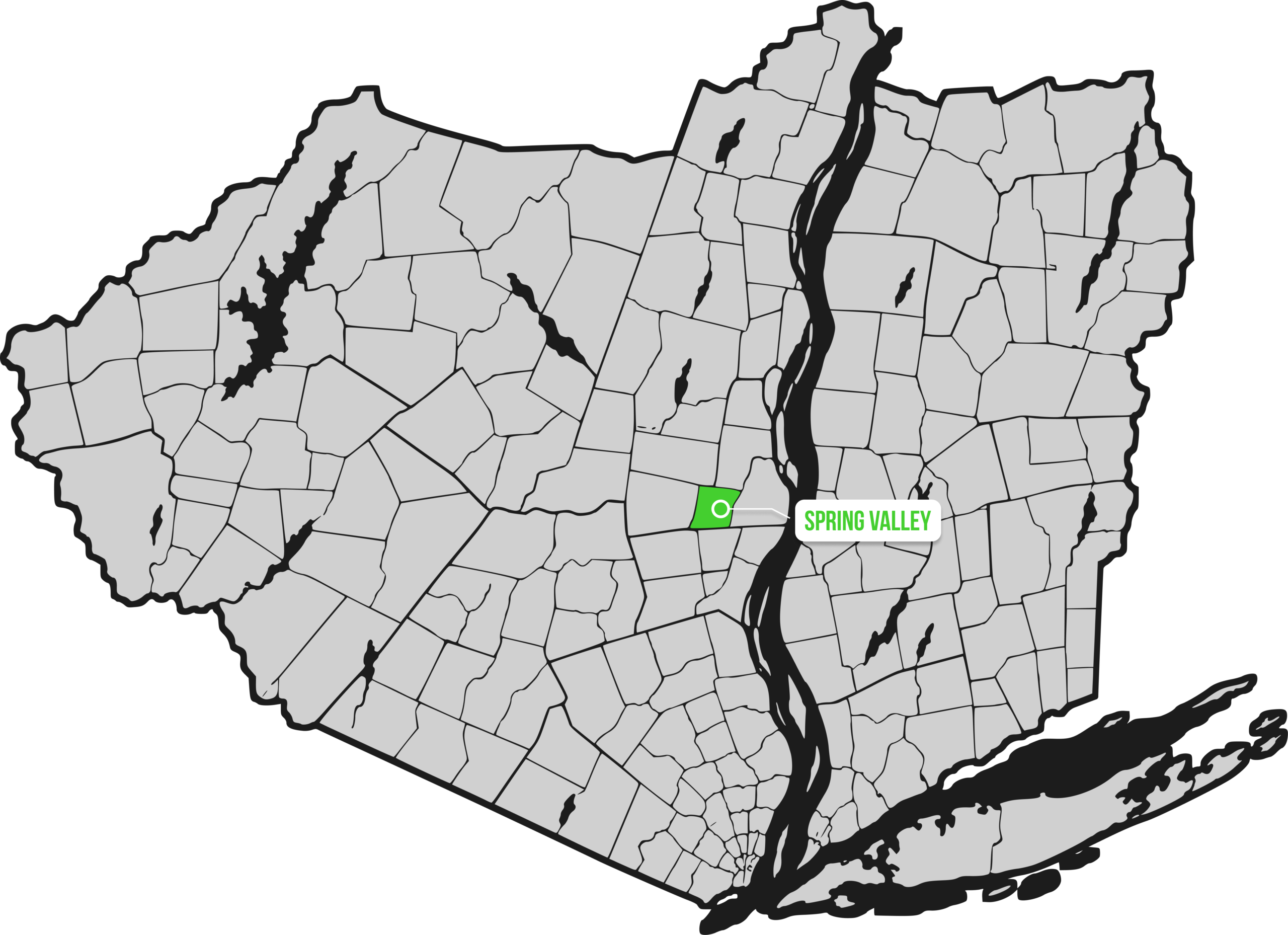
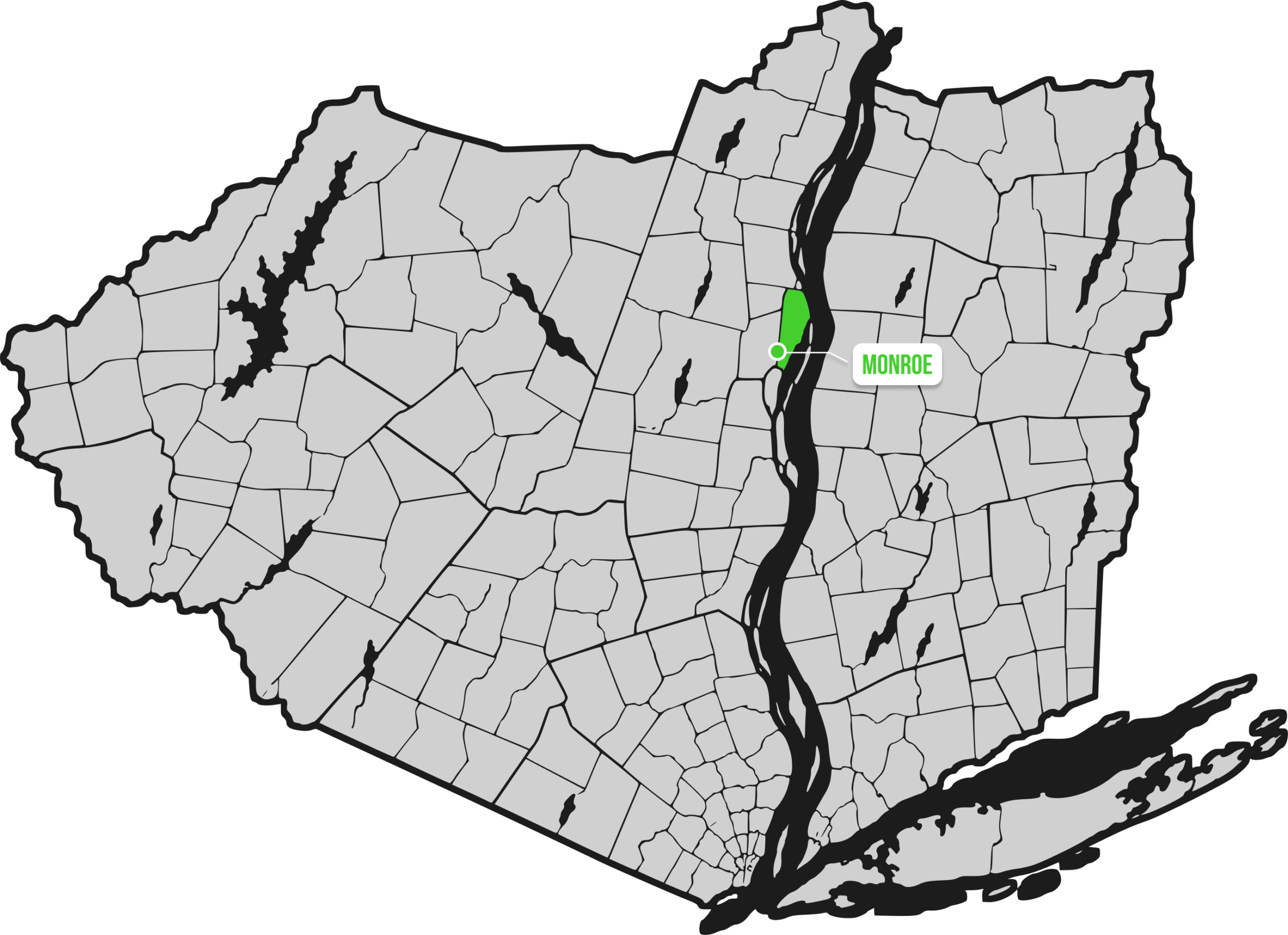
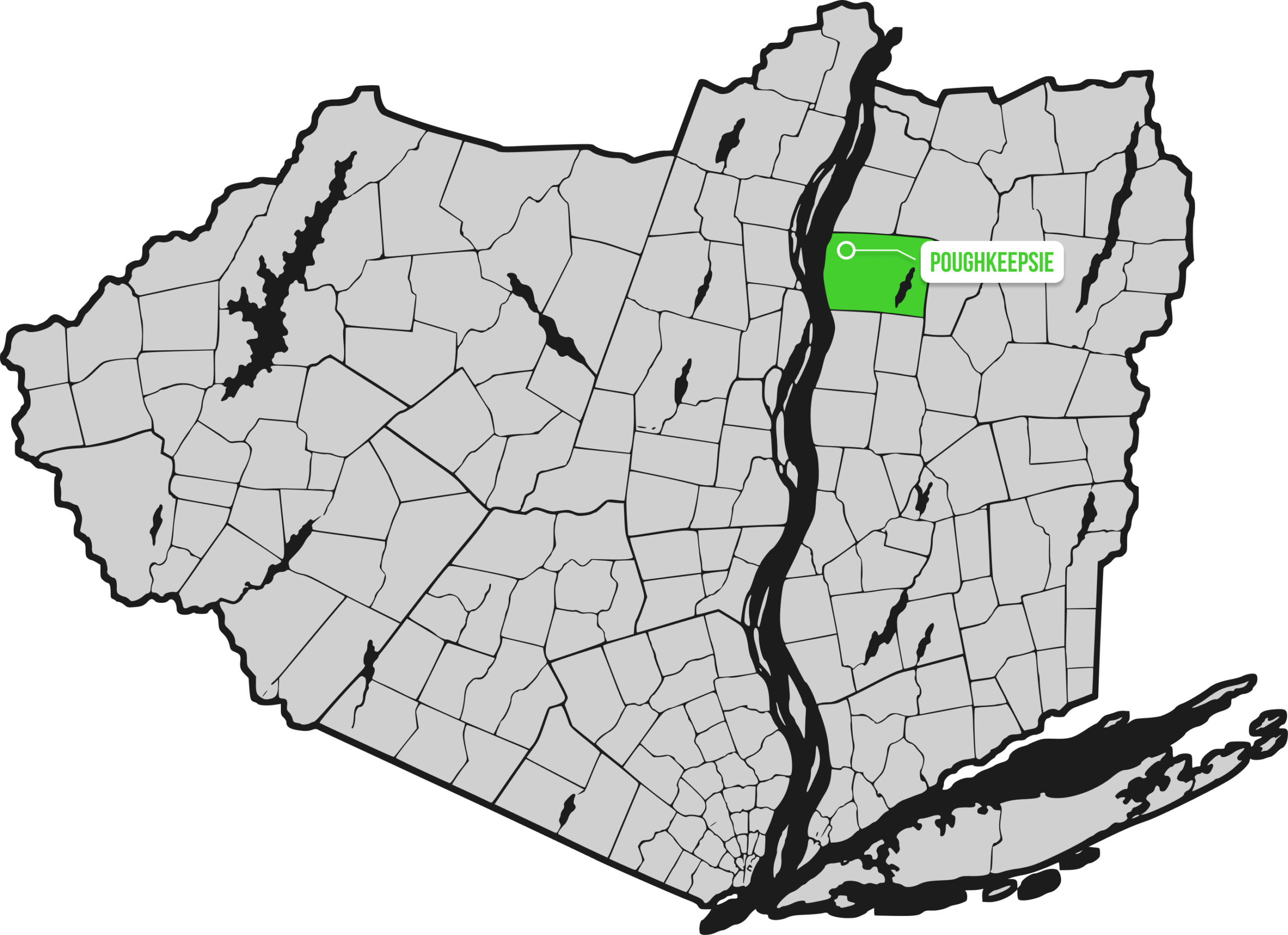
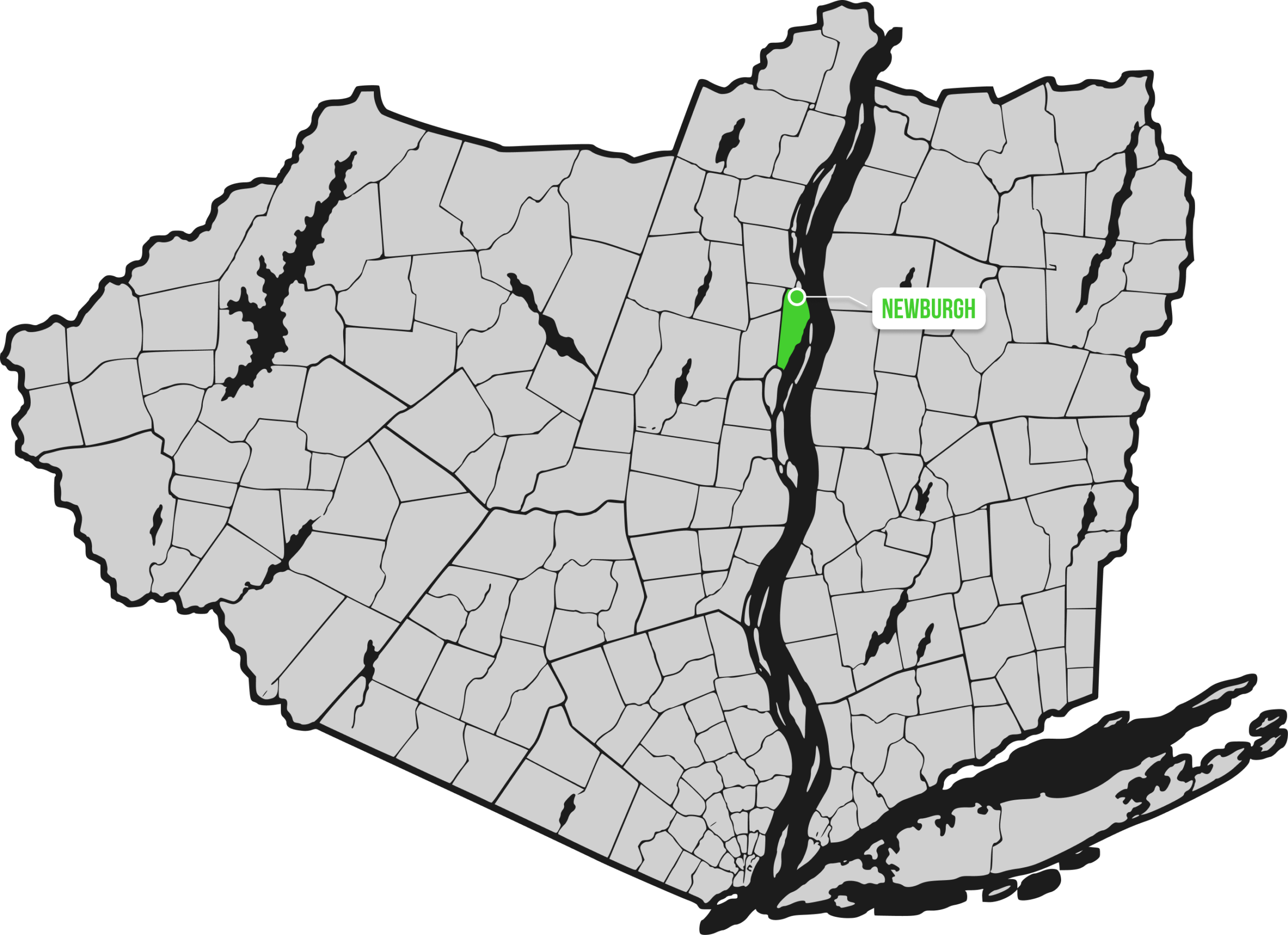
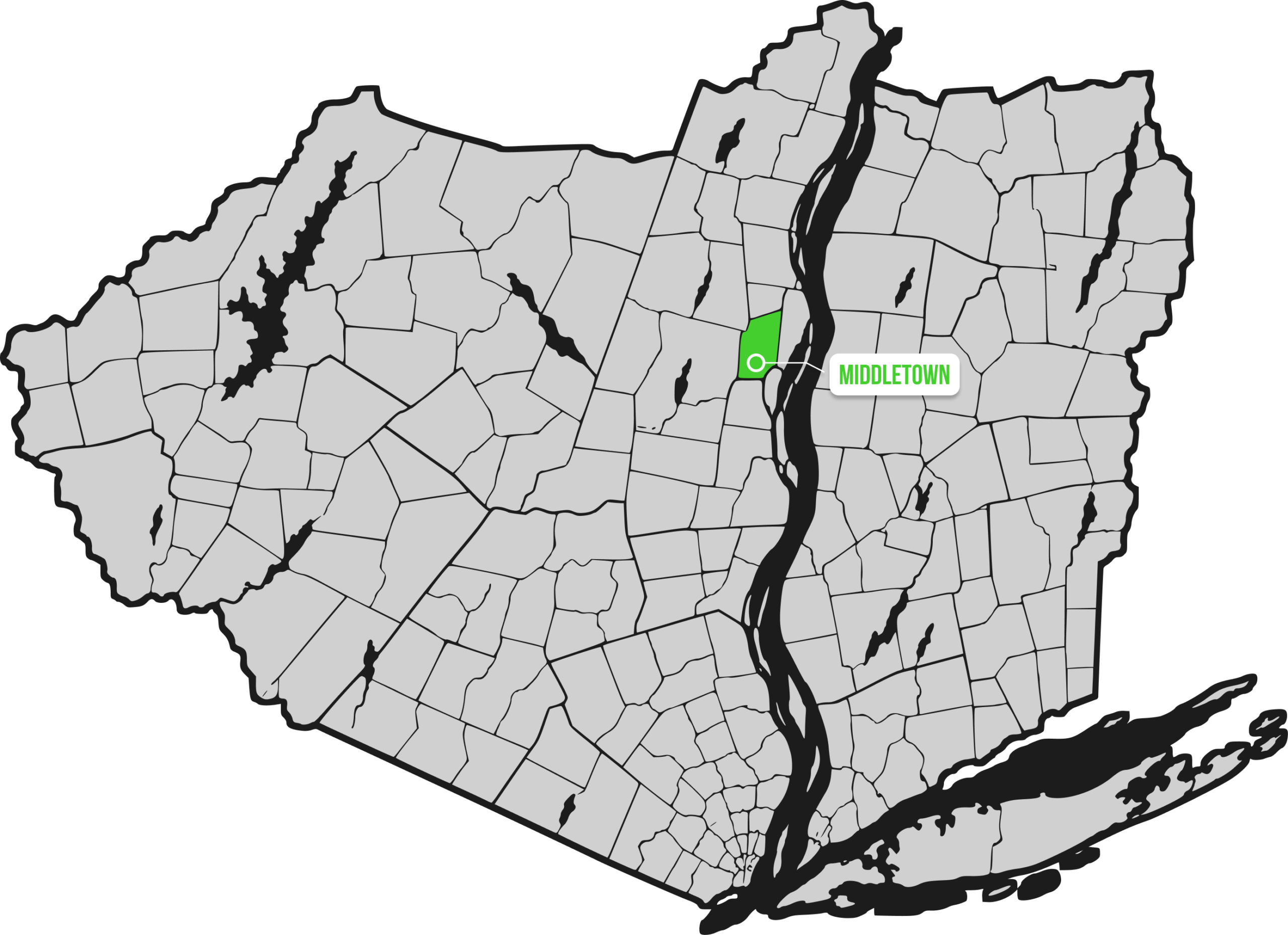
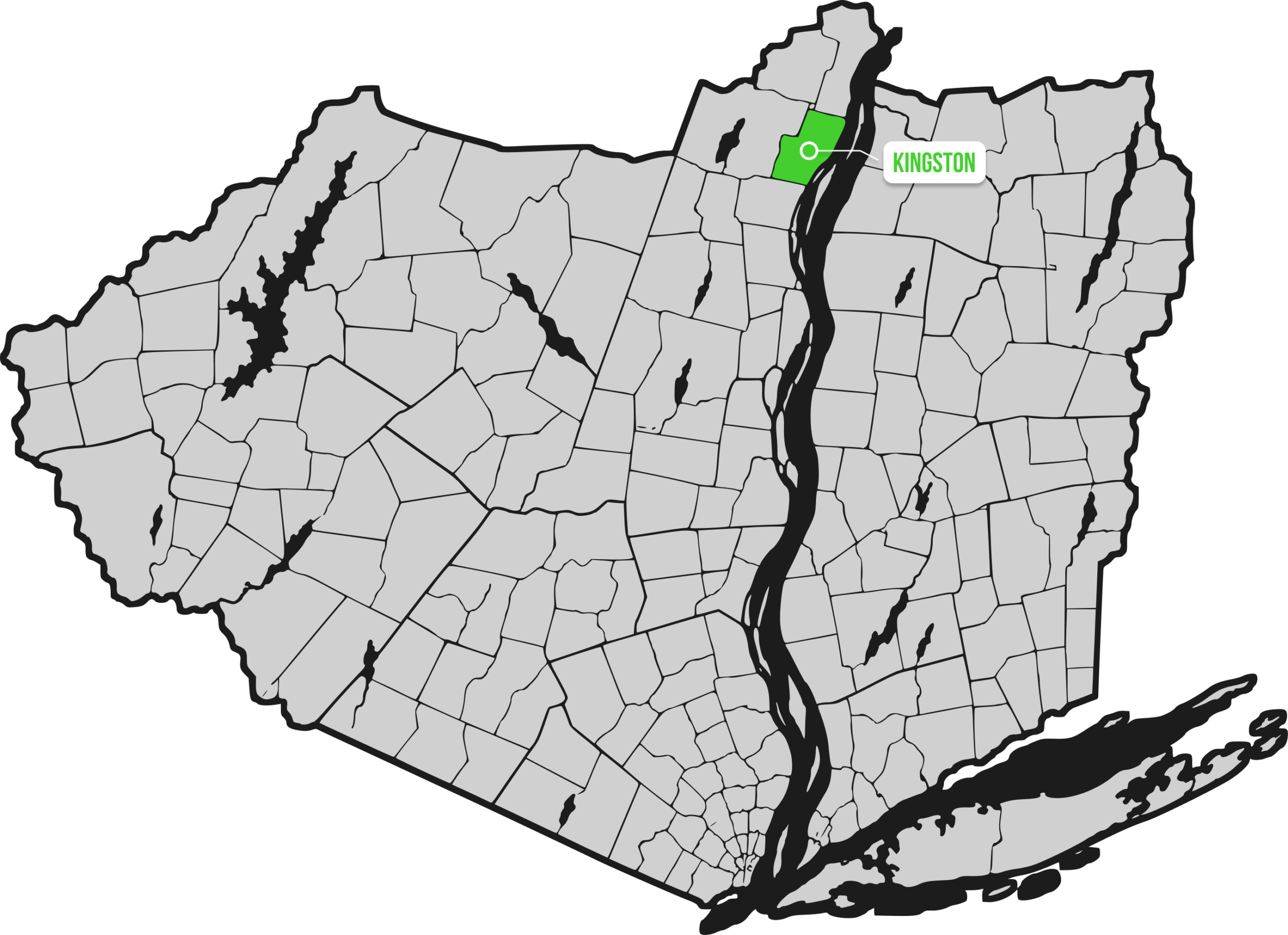
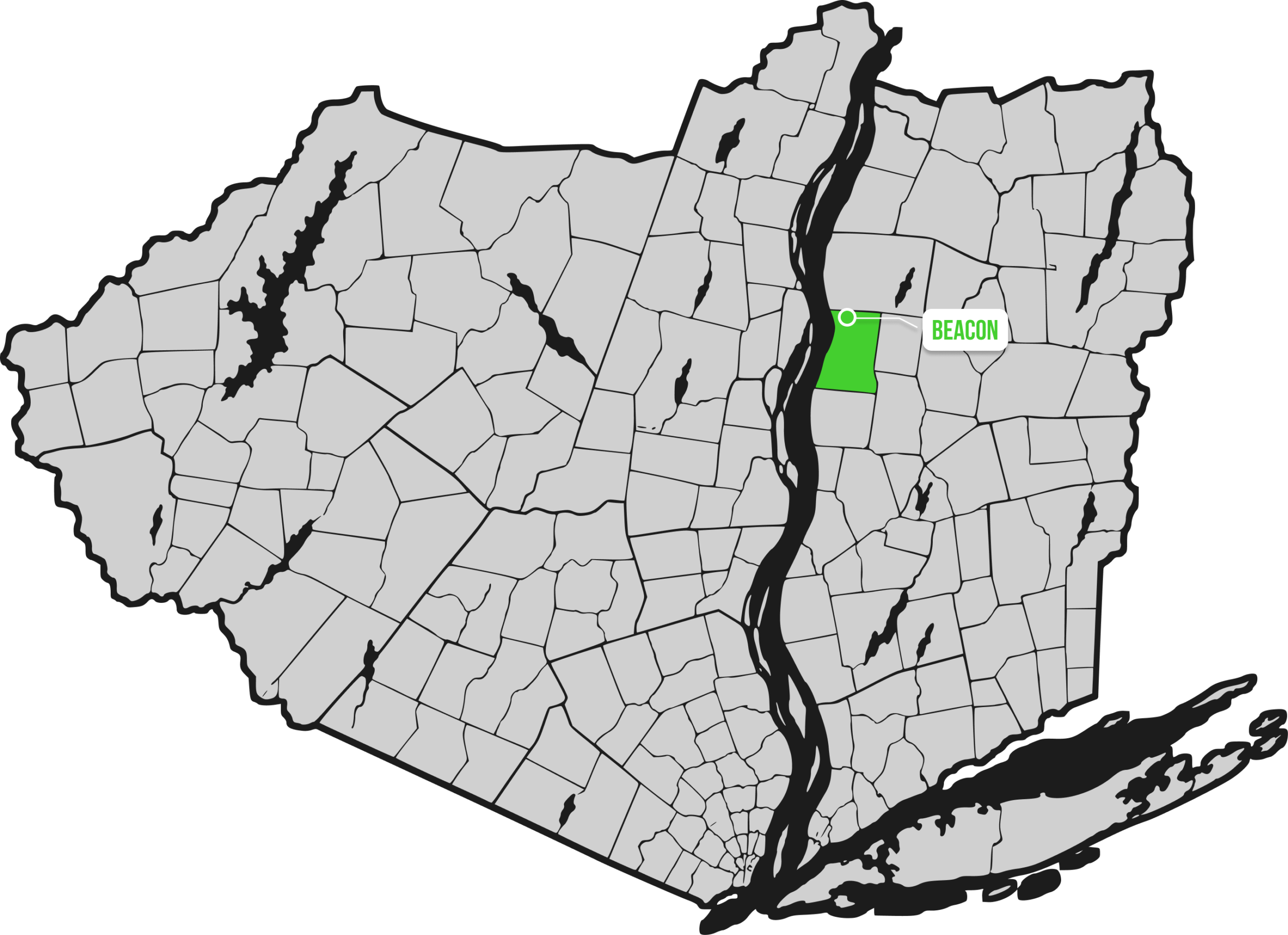
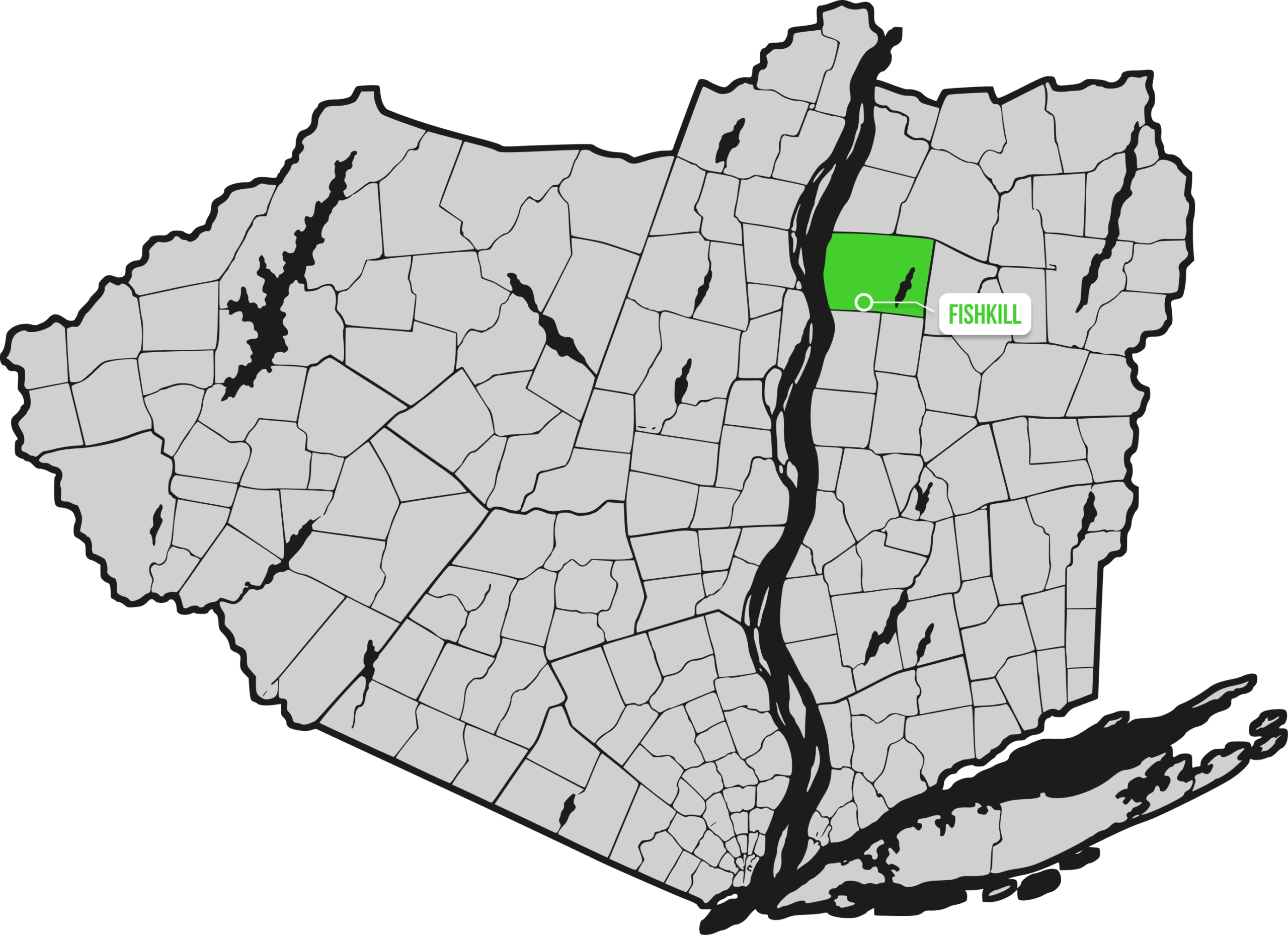
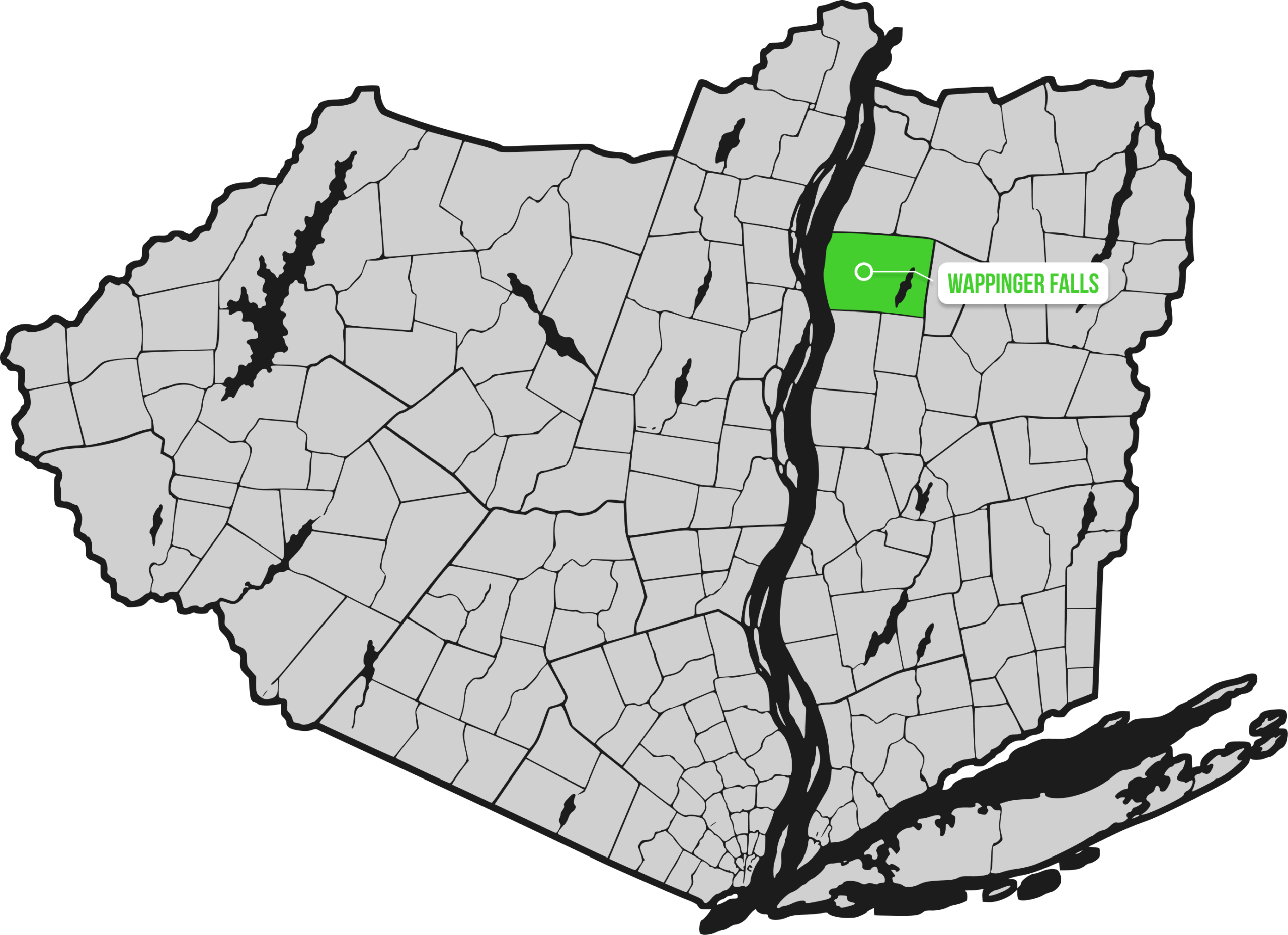
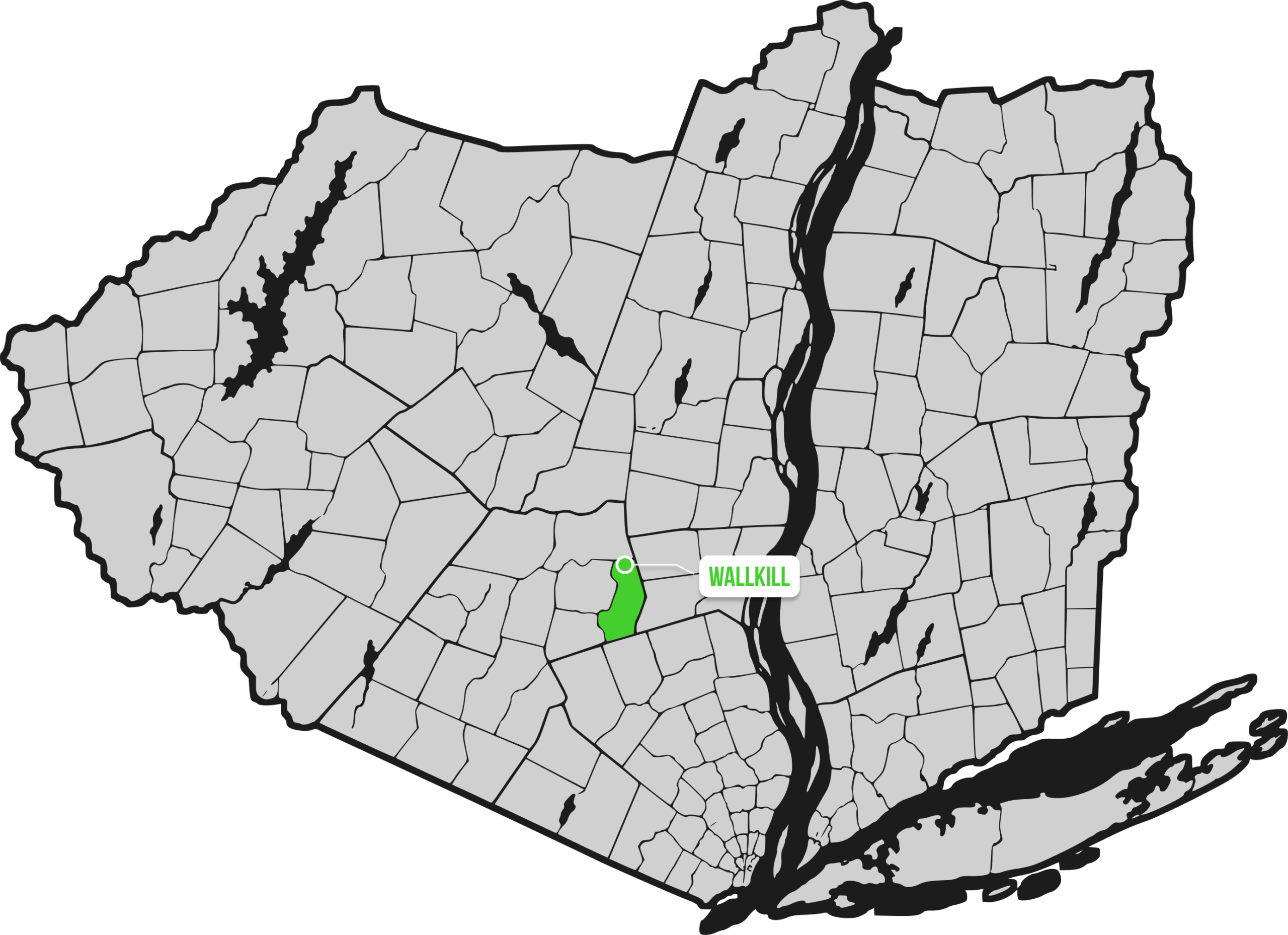
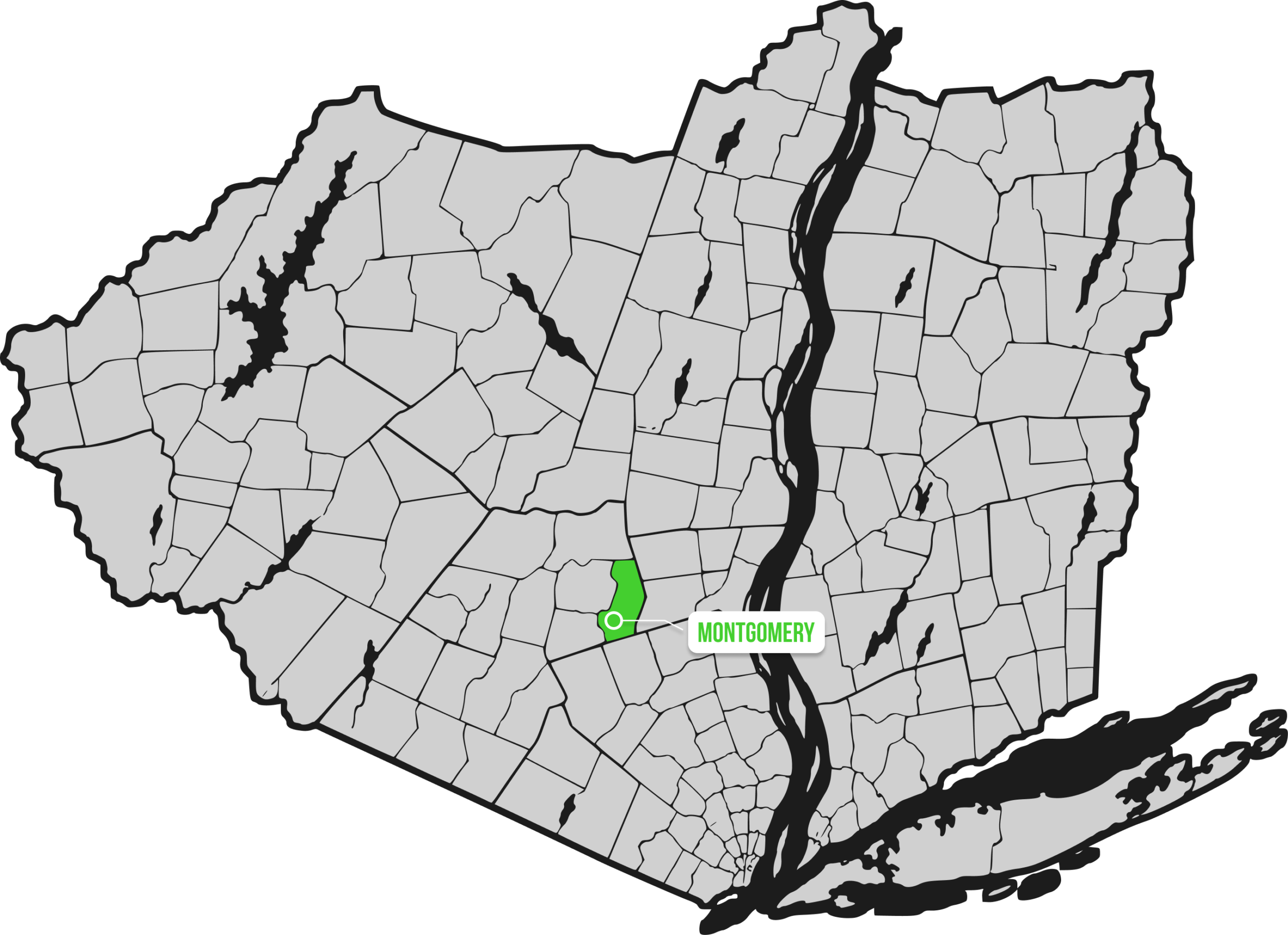
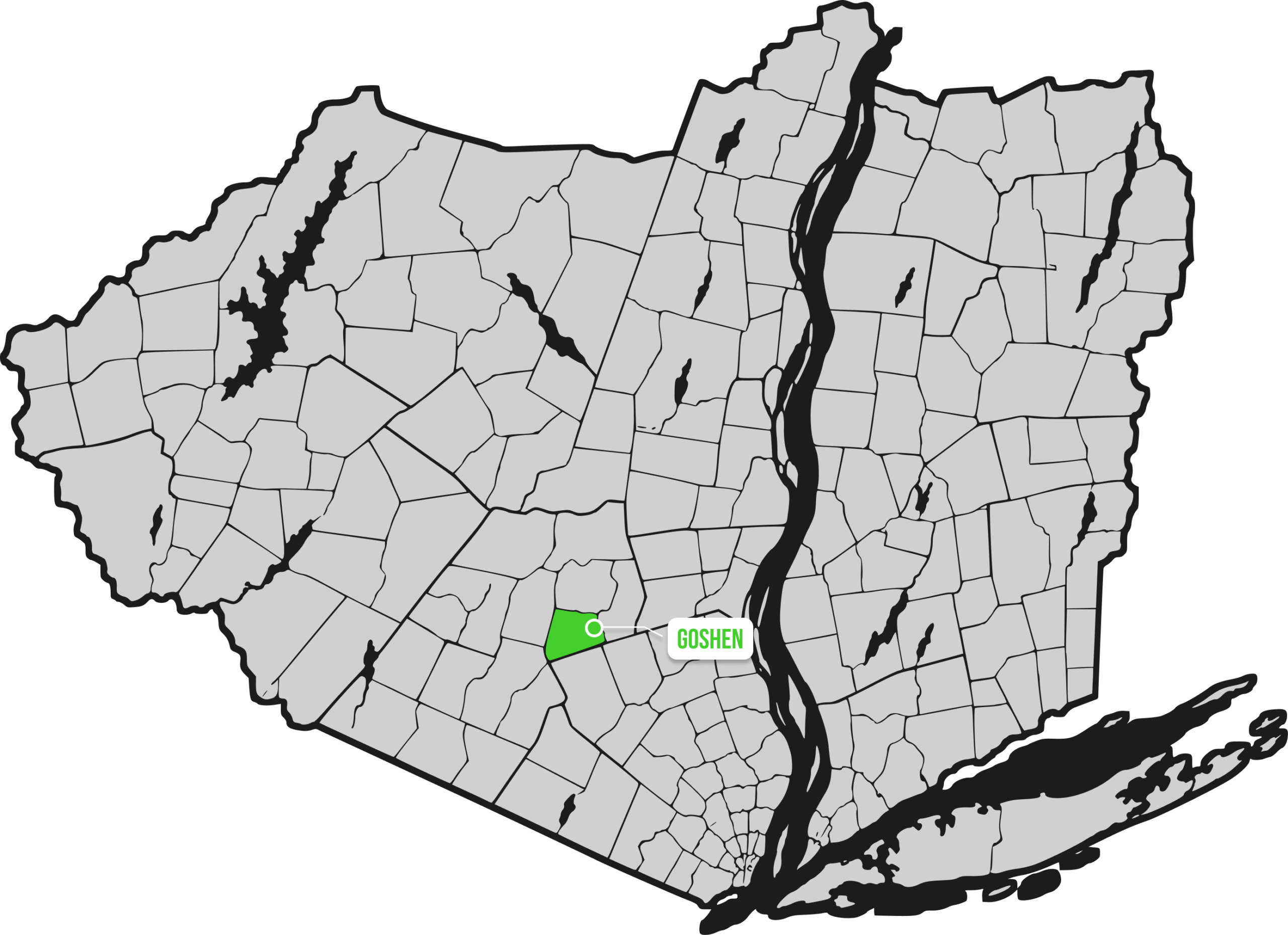
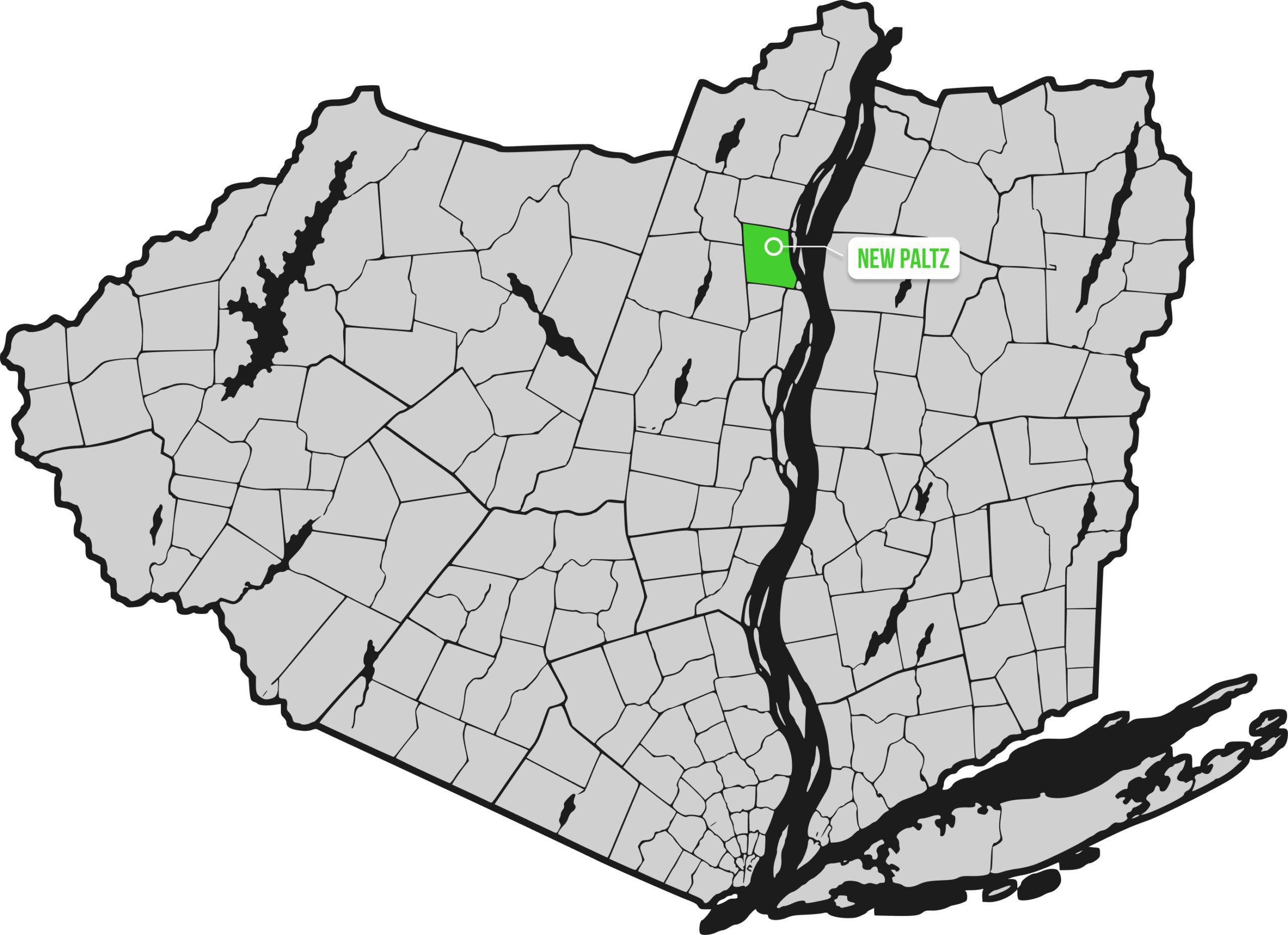
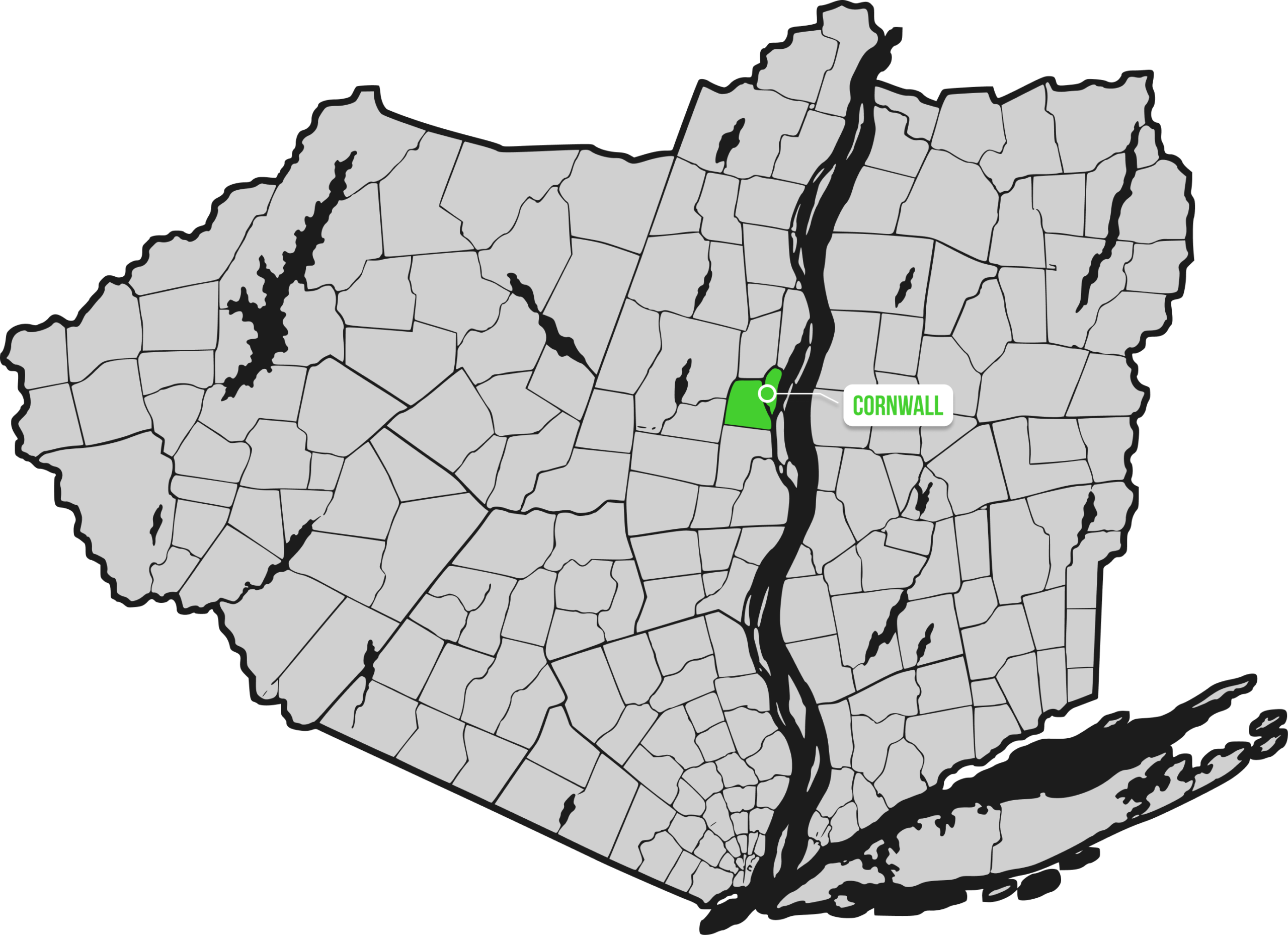
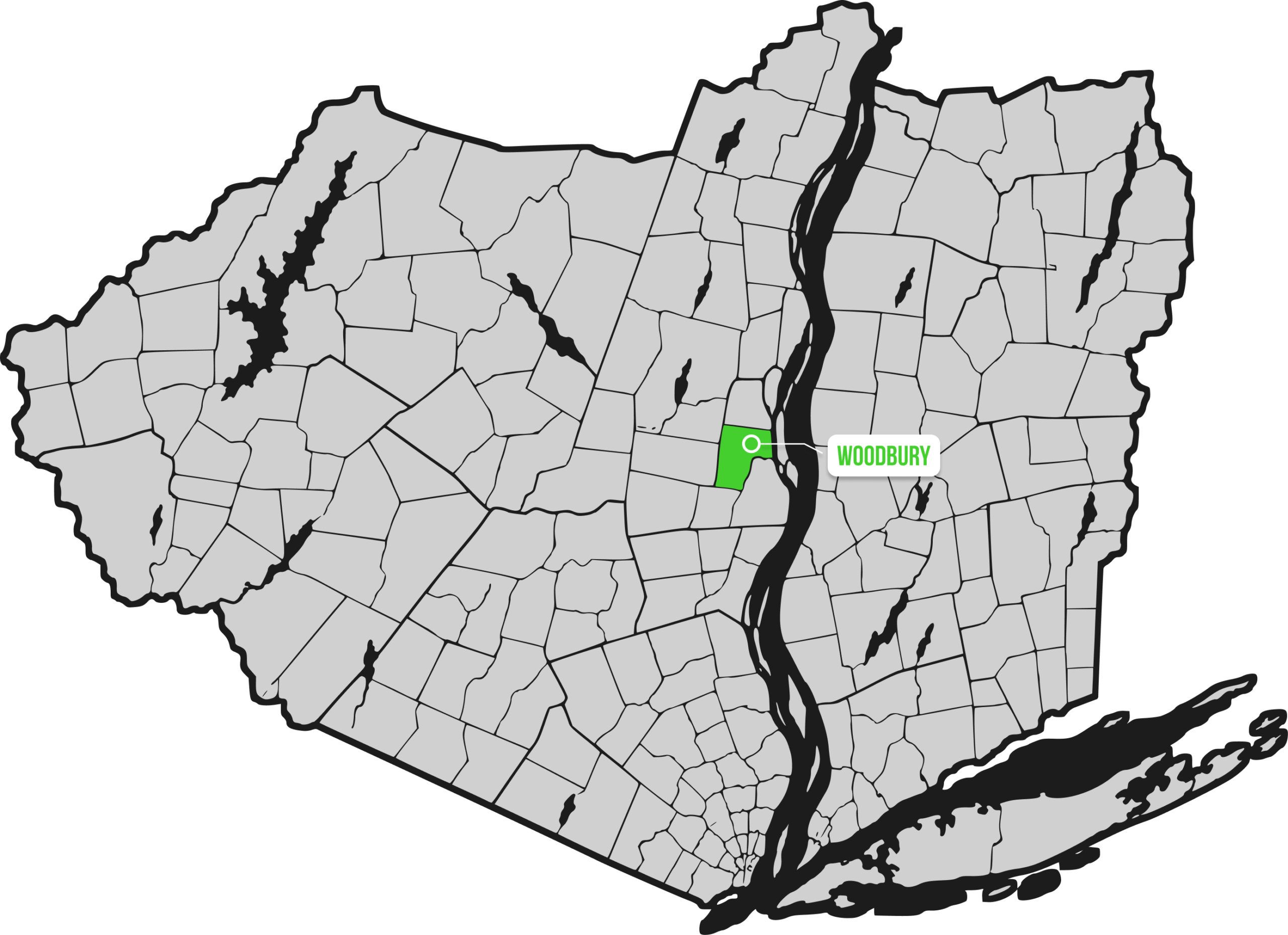
Bat Control Throughout the Hudson Valley
Why Bats Can Be So Difficult to Keep Out of a Building or House
Bats are incredibly capable fliers.
They also do not need a large opening to access a protected space.
That combination makes attic bat problems very different from larger wildlife intrusions.
A Bat Entrance May Barely Look Like an Entrance
Homeowners often expect to find a large hole.
Instead, the access area may be a narrow gap where two building materials meet.
Rooflines are full of transitions.
Soffit meets fascia.
Siding meets trim.
Flashing meets masonry.
Vents penetrate walls.
Roof sections come together.
Any vulnerable area deserves consideration when bats are repeatedly using a structure.
Bats Naturally Prefer Elevated Shelter
Attics can mimic some of the qualities bats seek in natural roosts.
They are:
- Elevated
- Protected from weather
- Dark
- Relatively quiet
- Warm during parts of the year
That makes the upper portion of a building particularly important during inspection.
One Bat Inside the Living Room Can Have Several Explanations
A bat found indoors does not automatically mean a large colony is living in the attic.
It may have entered accidentally.
It may have moved from another portion of the structure.
Or it may indicate broader bat activity.
The circumstances matter.
Repeated sightings or ongoing sounds deserve more investigation than a single unexplained event.
Why Exclusion Matters So Much
Bat control is less about removing bats one by one and more about controlling access to the structure.
If bats can leave and return through the same opening, the building remains useful as shelter.
That is why identifying primary access and additional potential openings is central to the process.
Timing Matters
Bat exclusion should be approached carefully because the way a bat colony uses a structure can change through the year.
The appropriate timing and method depend on what is happening at the property.
Hollenbeck can evaluate the situation and explain the recommended sequence rather than treating every bat call identically.
What About Droppings?
Bat droppings beneath a roosting or entry area can provide an important clue.
Accumulations inside a structure may also require attention beyond simply resolving the live animal activity.
The extent and location should be evaluated before deciding what additional work may be appropriate.
Bats Are Beneficial Outdoors
Bats feed heavily on insects and are an important part of the natural environment.
The objective of professional bat work is not to eliminate bats from the Hudson Valley.
It is to prevent buildings from functioning as unwanted roosting spaces.
A bat flying across the yard at dusk belongs there.
A colony inside the attic is a different issue.
Bat Control FAQs
Why do ants keep coming back after I spray them?
Sprays may kill visible worker ants without eliminating the colony responsible for the activity. If the nest remains active, additional ants can continue appearing.
What ants are common in the Hudson Valley?
Several ant species can become problems around Hudson Valley properties, including carpenter ants, pavement ants, and other common household ants. Proper identification is important because treatment strategies can vary by species.
Are carpenter ants dangerous to my home?
Carpenter ants don’t eat wood like termites, but they excavate wood to create nesting galleries. Established colonies inside structural wood can cause damage over time and may be associated with moisture problems.
How can I tell the difference between carpenter ants and termites?
Carpenter ants and termites differ in appearance and behavior. Carpenter ants excavate wood for nesting, while termites consume cellulose. Because both can indicate a potentially serious pest issue, professional identification is recommended.
Do you treat ants inside and outside?
Yes. Depending on the infestation, ant control may involve interior activity, exterior nesting areas, entry points, or a combination of treatments.
Does Hollenbeck offer ongoing ant prevention?
Yes. Hollenbeck offers preventative service plans covering more than 30 standard pests for customers who want ongoing protection.
Let the Bats Have the Night Sky
—not Your Attic.
If you’re seeing bats enter a roofline, hearing activity above the ceiling, or finding evidence around the structure, Hollenbeck can help determine what’s happening.