Audit-Ready Commercial Pest Control in the Hudson Valley, NY
When the Auditor Opens Your Pest-Control Records, Be Ready.
A strong commercial pest-management program has to do more than control pests.
It needs to demonstrate that your facility is being inspected, monitored, documented and corrected according to a consistent process.
Hollenbeck Pest Control provides audit-ready commercial pest-management programs for food manufacturing, packaging, storage, distribution, cosmetic, nutraceutical, and other regulated facilities throughout the Hudson Valley. Hollenbeck’s current programs support facilities working with standards including SQF, BRCGS, FSSC 22000, ISO 22000, HACCP, AIB International, and ISO 22716.
Protect the Facility. Document the Program. Be Ready for the Audit.






Get a Free Quote
Tell us what pests you are seeing, where the activity is happening, and whether you need one-time service or ongoing protection. Our team will help recommend the right residential pest control option for your home.
PEST CONTROL IS ONLY HALF OF AN AUDIT-READY PROGRAM
Can You Show the Auditor What Happened?
An auditor may want more than proof that a pest-control company visits your facility.
They may want to see:
- Where monitoring devices are located
- What activity has been recorded
- Whether pest trends have changed
- What materials have been used
- Whether corrective actions were completed
- Whether required product and safety documentation is current
- Whether technicians are properly credentialed
- How the facility responds when activity is detected
Hollenbeck builds commercial pest-management programs around both prevention and documentation, so your quality and facility teams have organized information available when it is needed. The company’s existing audit program includes device maps, pest-sighting logs, trend reports, SDS documentation, product labels, technician credentials and corrective-action records.
Commercial Services That Support an Audit-Ready Facility



Maintain cleaner exterior inspection zones and reduce unwanted vegetation that can conceal pest and rodent activity.


WHY CHOOSE HOLLENBECK?
YOUR PEST-CONTROL PROVIDER SHOULD BE READY FOR THE AUDITOR TOO
Commercial Compliance Requires More Than Routine Service
A technician can perform excellent pest control and still leave a facility unprepared if records are incomplete, device maps are outdated or corrective actions are undocumented.
Audit-ready pest management requires a system.
Hollenbeck’s current commercial compliance program is built around proactive IPM, mapped monitoring devices, trend analysis, facility documentation and corrective-action tracking.
Hollenbeck Brings Your Facility:
- Commercial Integrated Pest Management
- More Than Four Generations of Pest-Control Experience
- Board Certified Entomologist on Staff
- QualityPro Certification
- Pre-Audit Facility Evaluation
- Interior & Exterior Monitoring
- Device-Placement Mapping
- Pest-Sighting Logs
- Trend-Analysis Reporting
- Safety Data Sheets & Product Labels
- Technician Credential Documentation
- Corrective-Action Reporting
- Customized Facility Programs
- Responsive Regional Service
The existing Hollenbeck program specifically identifies its on-staff Board Certified Entomologist and its compliance documentation as integral parts of its audit support.
Ready to Get Started?
IF IT WASN’T RECORDED, IT IS HARD TO PROVE IT HAPPENED
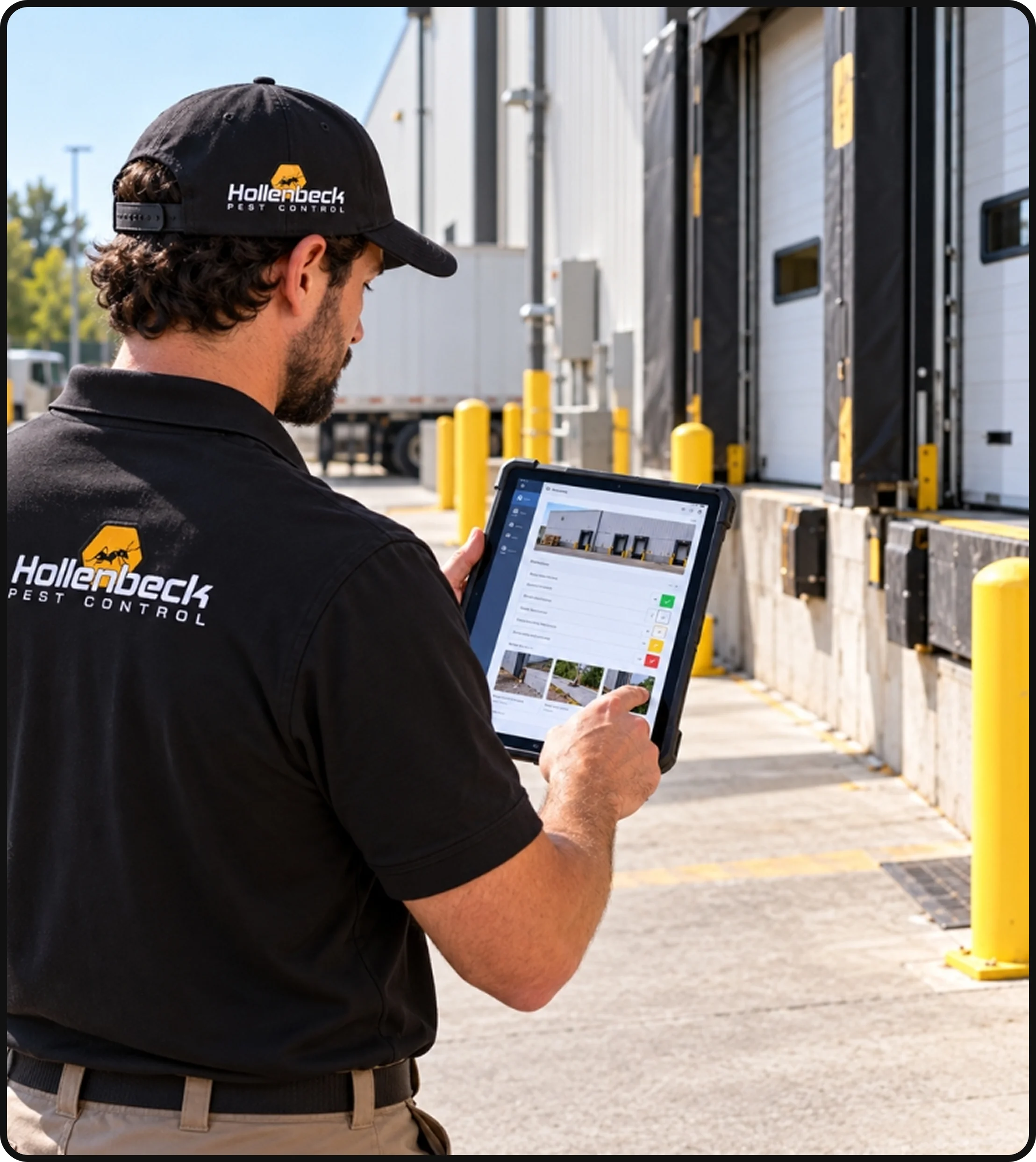
Turn Pest-Control Activity Into Useful Facility Data
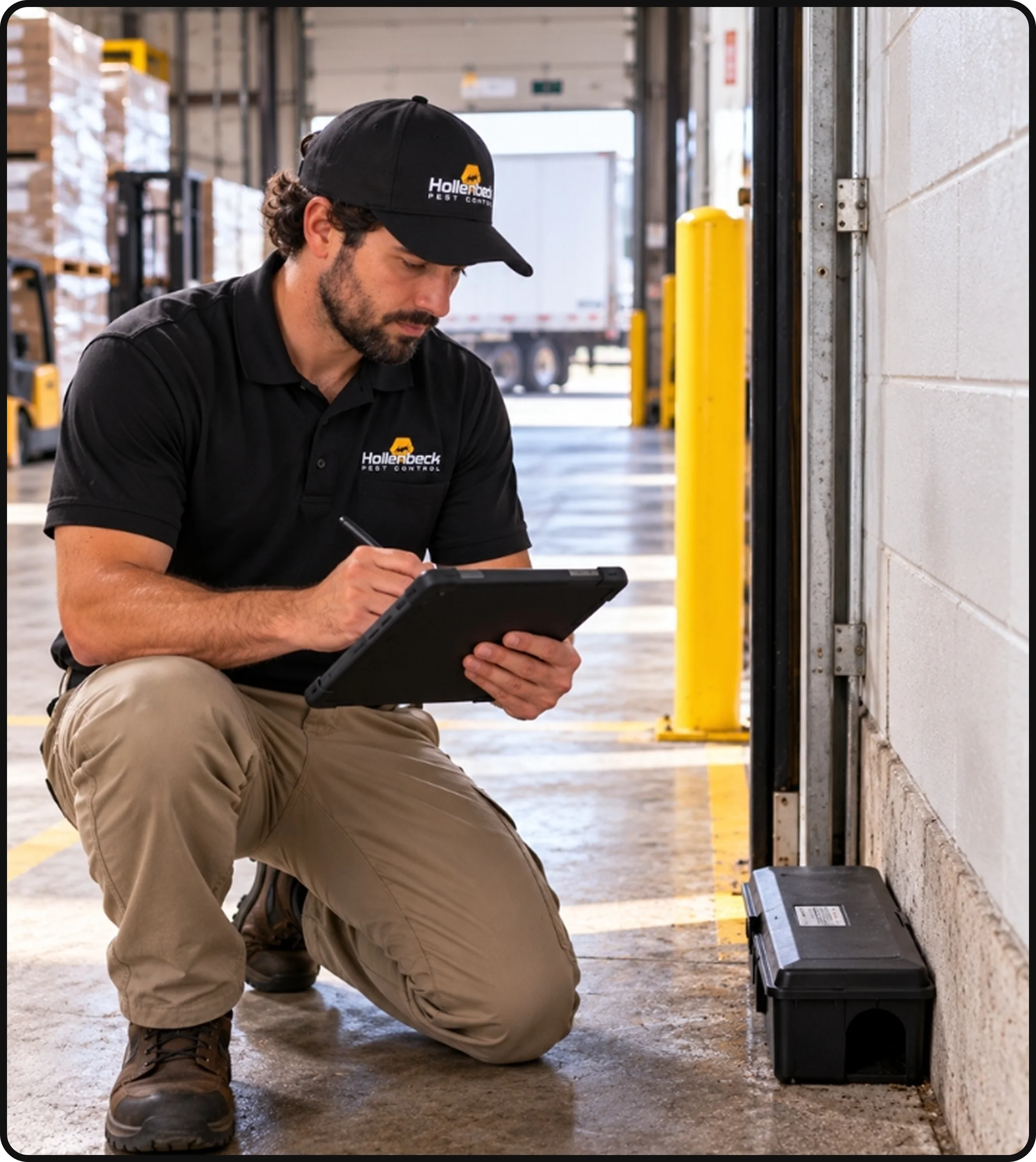
A technician finds rodent evidence near receiving.
What happens next?
The most useful commercial program creates a documented chain:
Finding → Investigation → Corrective Action → Follow-Up → Result
That information allows the QA or facility team to show that the issue was not simply observed—it was addressed.
Useful records may include:
- Pest sighting
- Device number and location
- Date of activity
- Species or pest category
- Technician observations
- Structural deficiency
- Sanitation concern
- Corrective action
- Person responsible
- Follow-up inspection
- Resolution status
That is how pest management becomes part of the facility’s compliance system.
HOW HOLLENBECK BUILDS AN AUDIT-READY PROGRAM 1–4
01
Evaluate the Facility & Existing Program
We begin by understanding the building, operation and compliance environment.
That can include:
- Receiving
- Loading docks
- Exterior perimeter
- Production
- Storage
- Food or ingredient areas
- Waste handling
- Employee areas
- Utility spaces
- Sensitive zones
- Existing monitoring devices
- Current documentation procedures
The goal is to identify weaknesses before an auditor does.
02
Establish the Monitoring & Documentation System
Monitoring locations should be intentional.
Depending on the facility and program, this may include:
- Exterior rodent stations
- Interior mechanical monitoring devices
- Insect monitoring
- Fly lights
- Pest-sighting systems
- Facility maps
- Service records
Hollenbeck’s current audit program specifically maintains updated facility maps showing bait stations, mechanical traps and fly lights.
03
Track Trends & Correct Problems
One pest sighting provides information.
Several months of monitoring can reveal a pattern.
Hollenbeck’s program incorporates trend analysis and corrective-action documentation so unusual activity can be investigated rather than simply recorded.
Examples might include:
- Increasing rodent activity near one loading dock
- Repeated fly captures in one processing zone
- Pest activity associated with a drain
- Exterior vegetation concealing monitoring areas
- Recurring activity near incoming freight
- A damaged door sweep
- An opening around a utility penetration
The important question becomes:
What changed—and what are we doing about it?
04
Keep the Program Ready for Review
Audit preparation should not begin the week before the auditor arrives.
Records should already be organized.
Device maps should already reflect the facility.
Corrective actions should already have documentation.
Required product and technician information should already be available.
That is the difference between preparing for an audit and operating audit-ready.
Special Offers
More Ways to Save on Pest Control
$50 off
Initial Pest Control Treatment
Get $50 off your initial pest control treatment when you sign up for an annual pest protection plan.
Cannot be combined with other offers or discounts. General pest control only. New customers only.
$25 off
Your Next Service
Refer a friend, family member, or neighbor to Hollenbeck Pest Control and receive $25 off your next service when the person you refer signs up for an annual pest protection plan.
Cannot be combined with other offers or discounts. Account must be in good standing. Referee must complete service.
Trusted by Homeowners Throughout the Hudson Valley
Posted on Google
 Hoodpunk 'd
Trustindex verifies that the original source of the review is Google.
Quick fast professional service thanks got rid of wasp nest in in a few minutes!! Thanks! LizPosted on Google Robert WickhamRob was amazing. He knew exactly what to do and wasn’t afraid to get dirty and get the job done. An absolute professional, and sweet to my young son who was there too. I am so happy we called when we did!Posted on Google
 Michael ReganCame same day as called and Robert did an amazing job at removing an inside nest.Posted on Google
 John mullarkey
Trustindex verifies that the original source of the review is Google.
Very well managed called that day tech was there latter same day sprayed for flies do to a decaying rodent somewhere under house we could not get to very happy with responsePosted on Google Roy WExcellent, professional customer service. We have been customers of HOLLENBECK PEST CONTROL for several years. We’ve had other pest control services come to our home offering services, but our belief is if it’s not broke do not fix it. Tiffany, Nora, and the rest of the team are simply outstanding and so responsive to our needs. We highly recommend them for Quality service with great outcomes.Posted on Google
 Mike TomassiHave been with Hollenbeck pest control for 3 years, and all the problems I’ve had were taken care of. The technicians are very well educated and knowledgeable. I’ve had Max for a few years and is just fantastic.Posted on Google
 David LopezIf you don’t have Hollenbeck your missing out!Posted on Google
 Susan RiccardiThis was a free inspection and Floyd, was great, he friendly, answered all my questions and showed up on time. I really appreciated his professionalism and he put my mind at ease. If I have any problems in the future I will definitely reach back out.
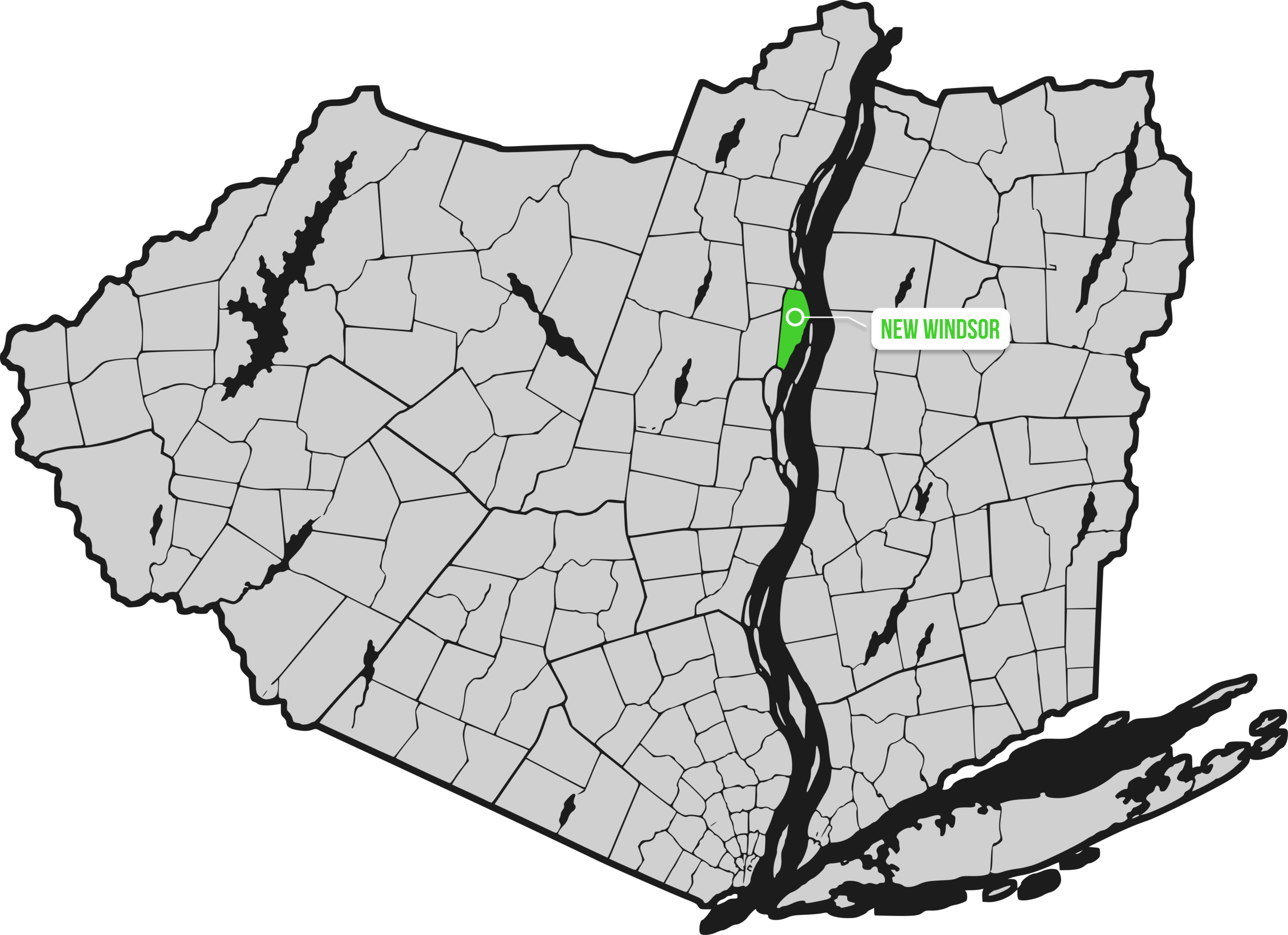
Audit-Ready Commercial Pest Management Across the Hudson Valley
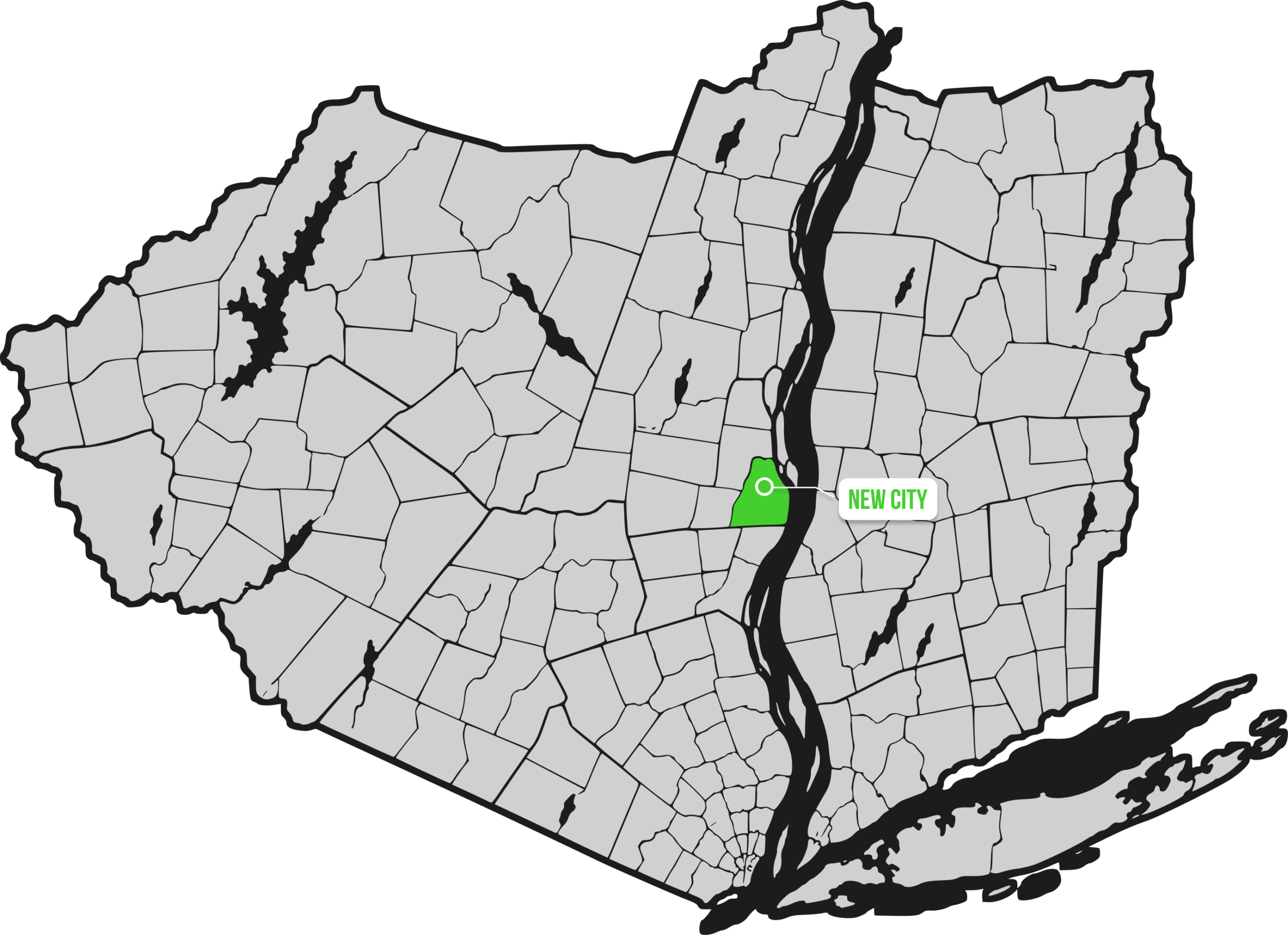
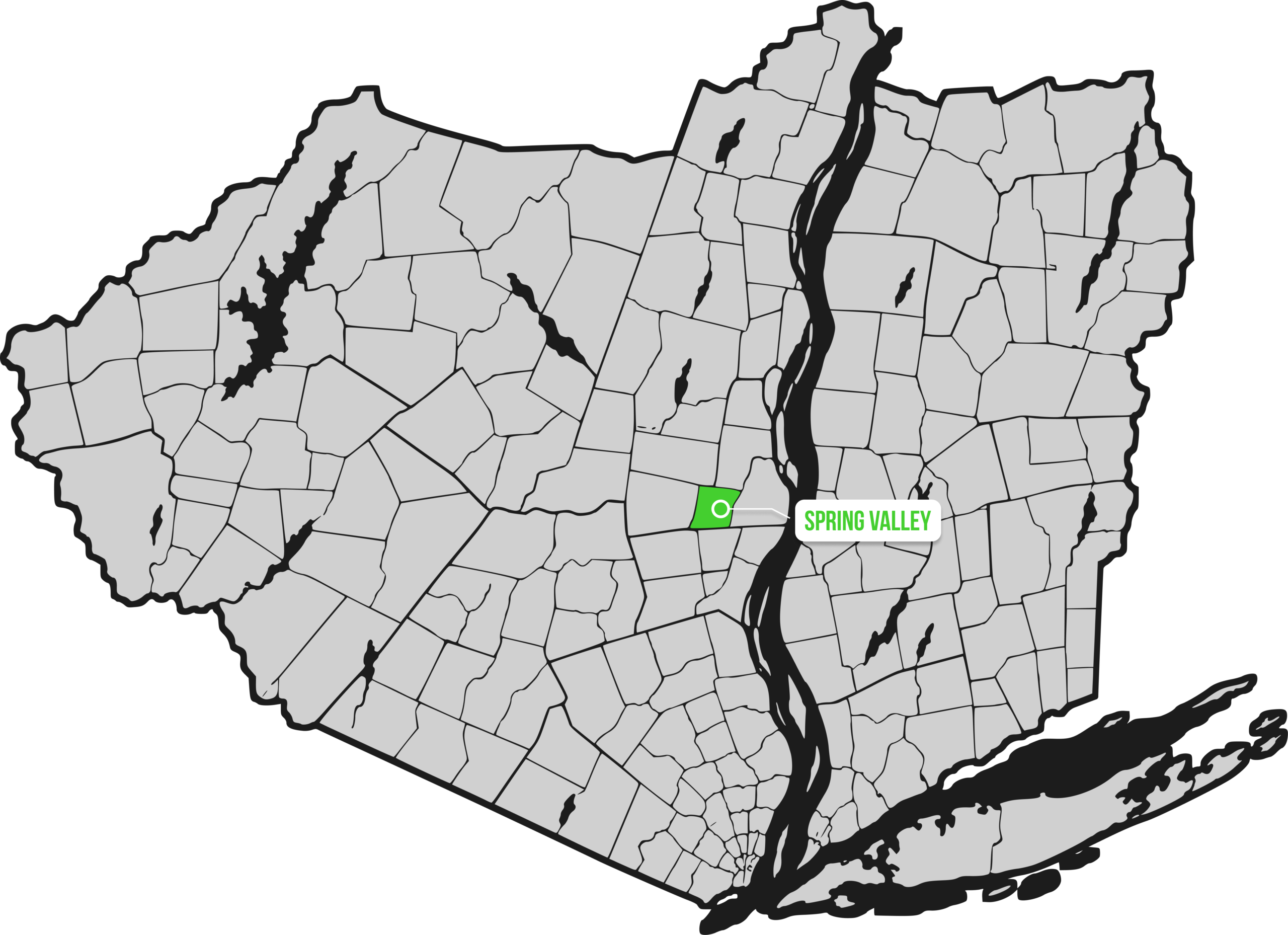
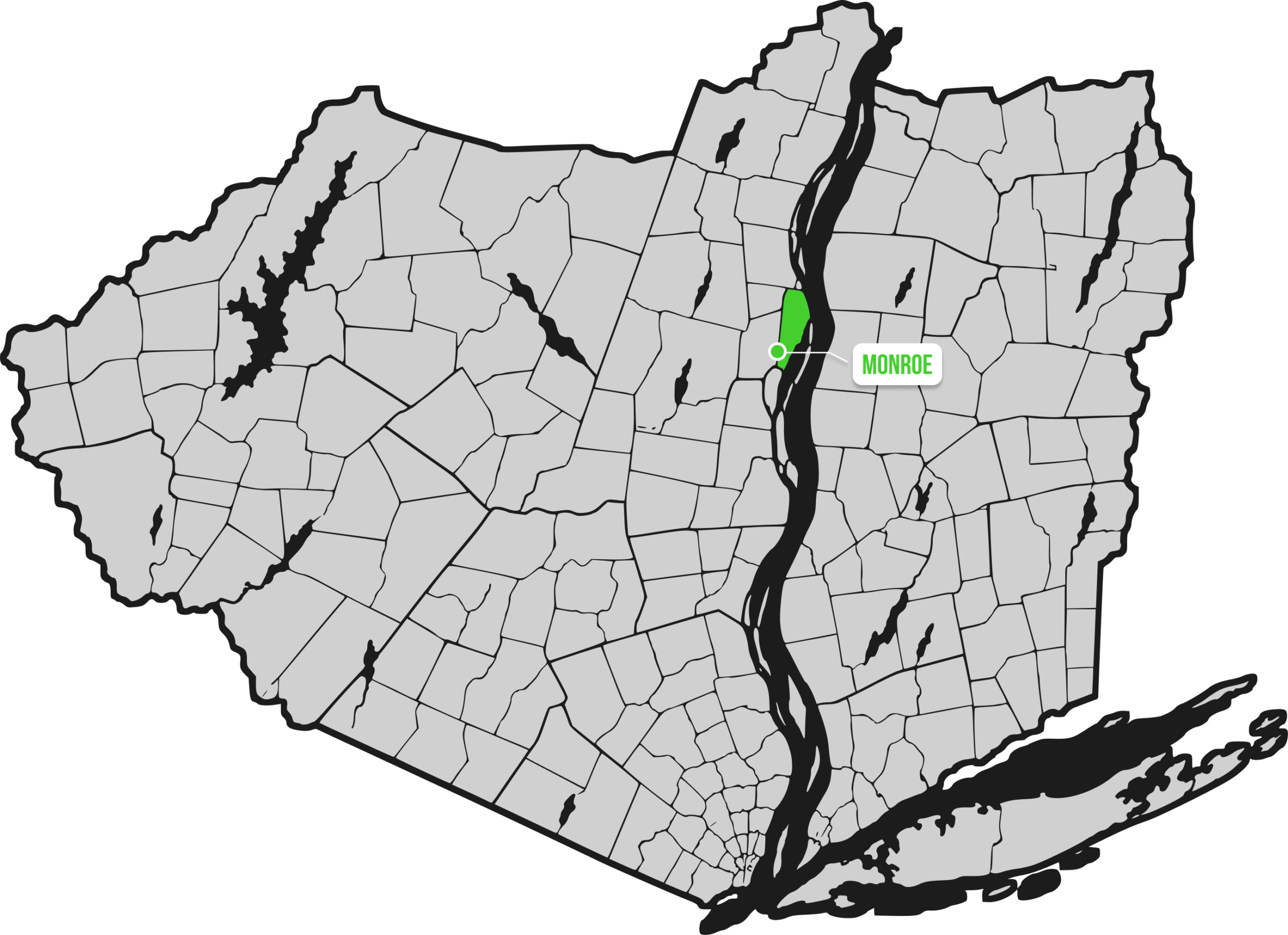
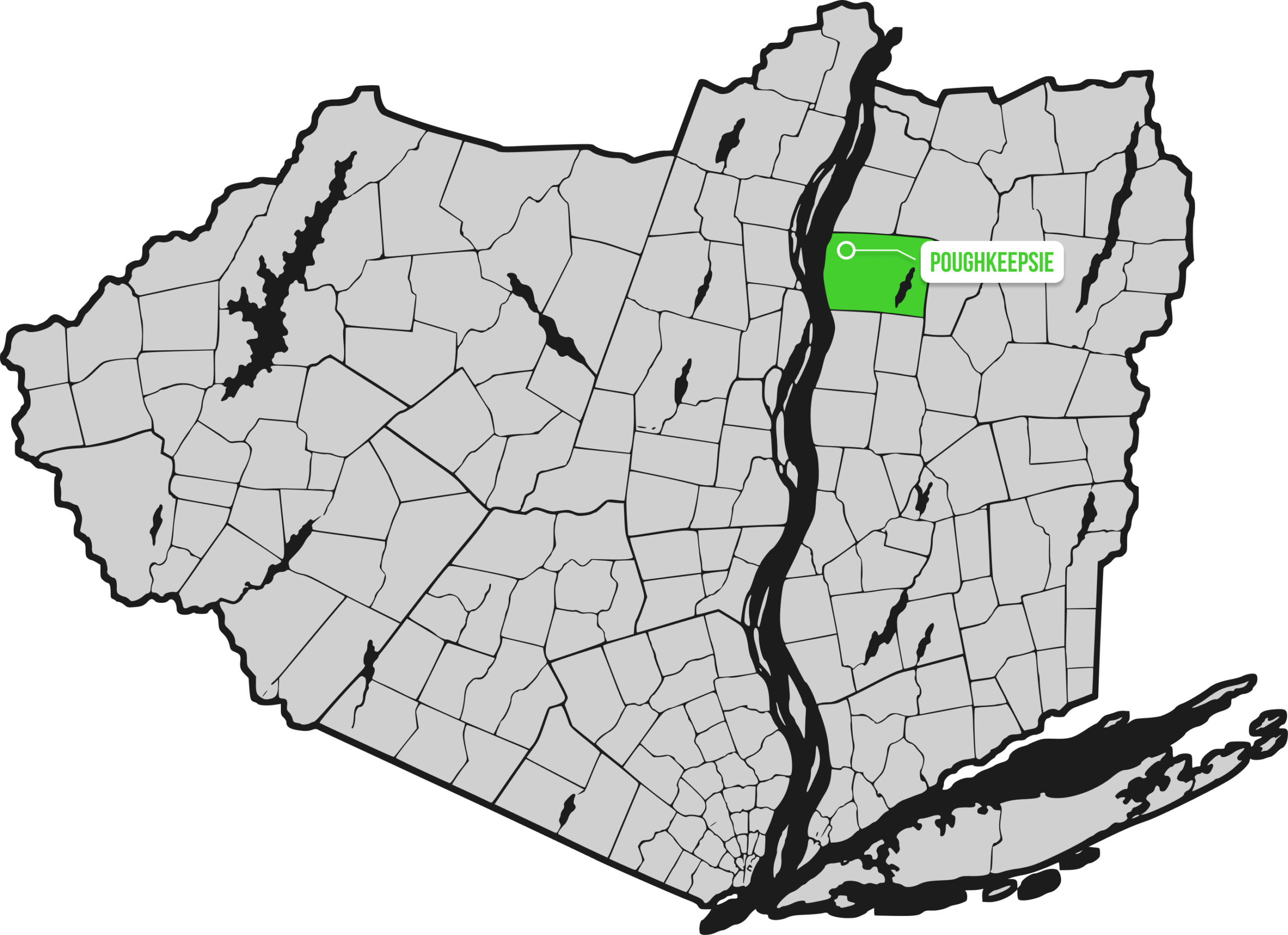
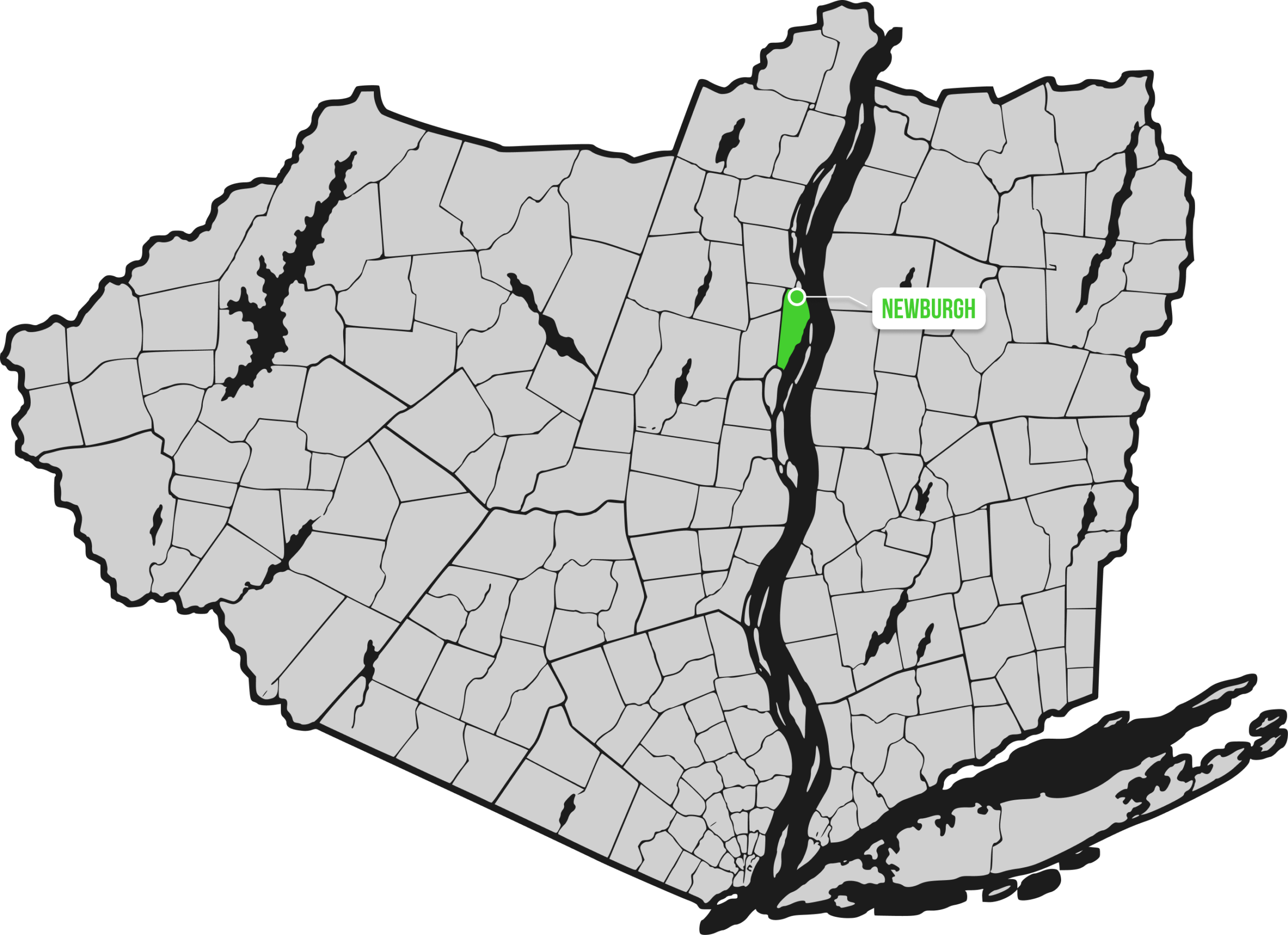
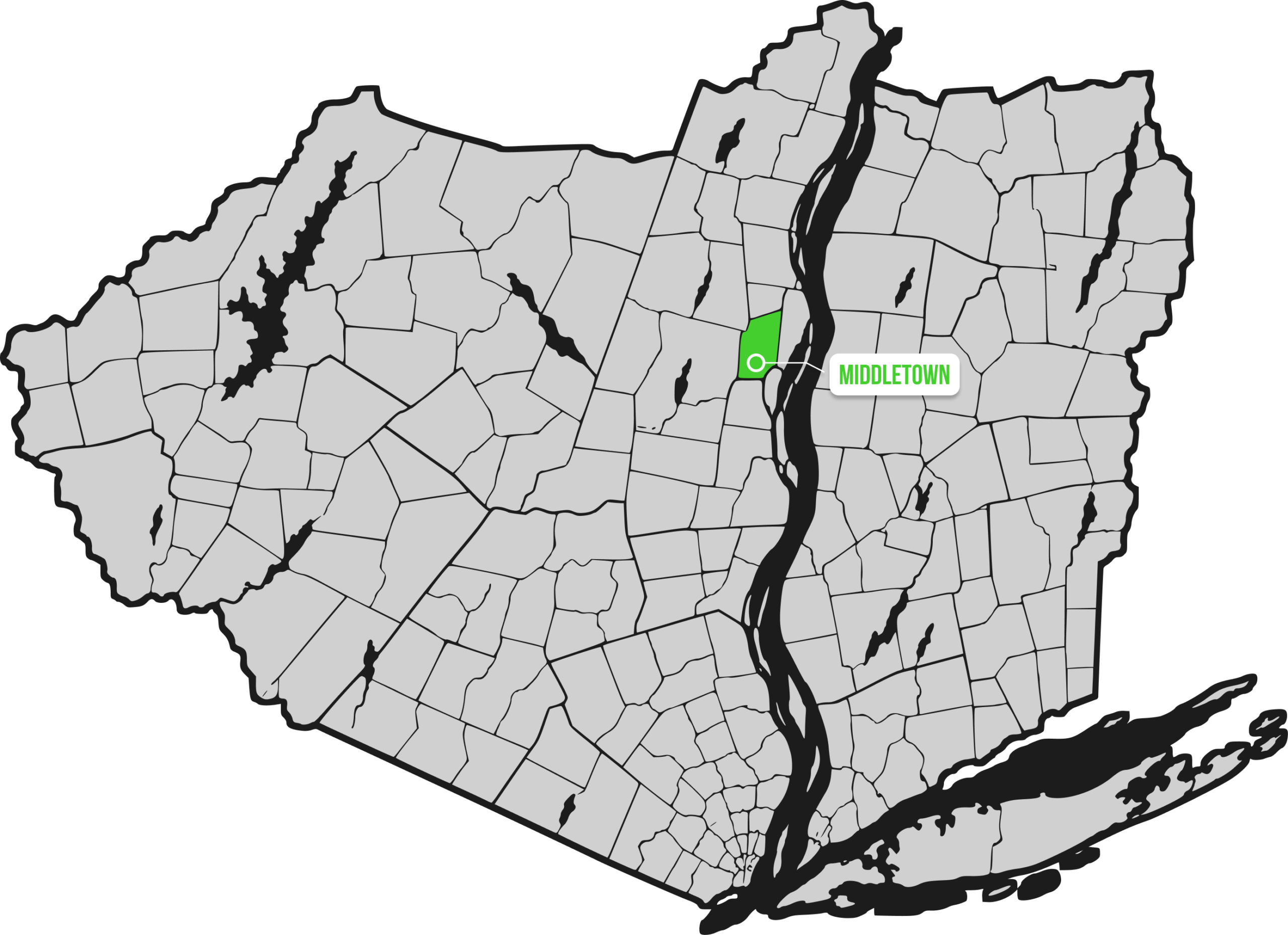
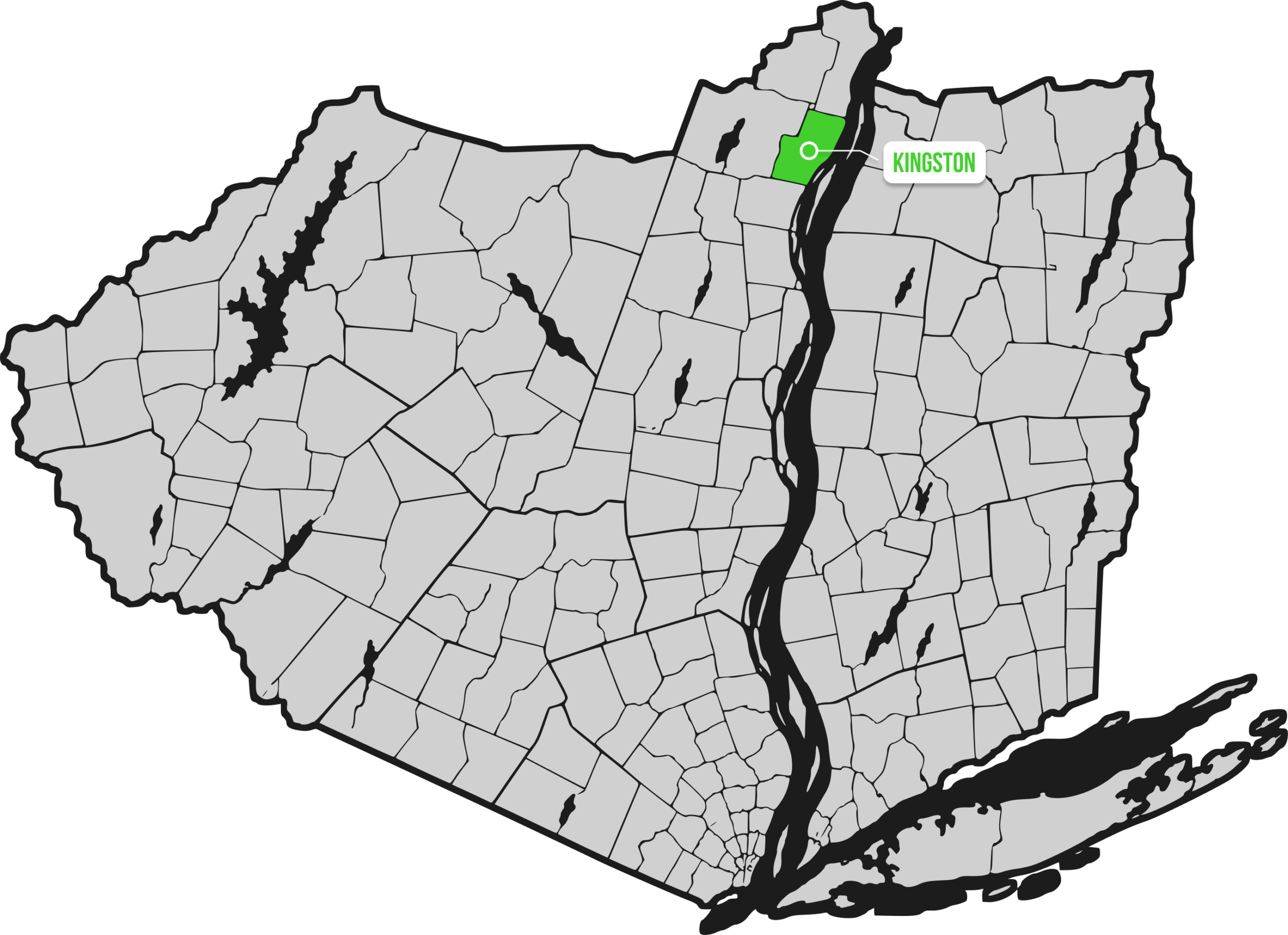
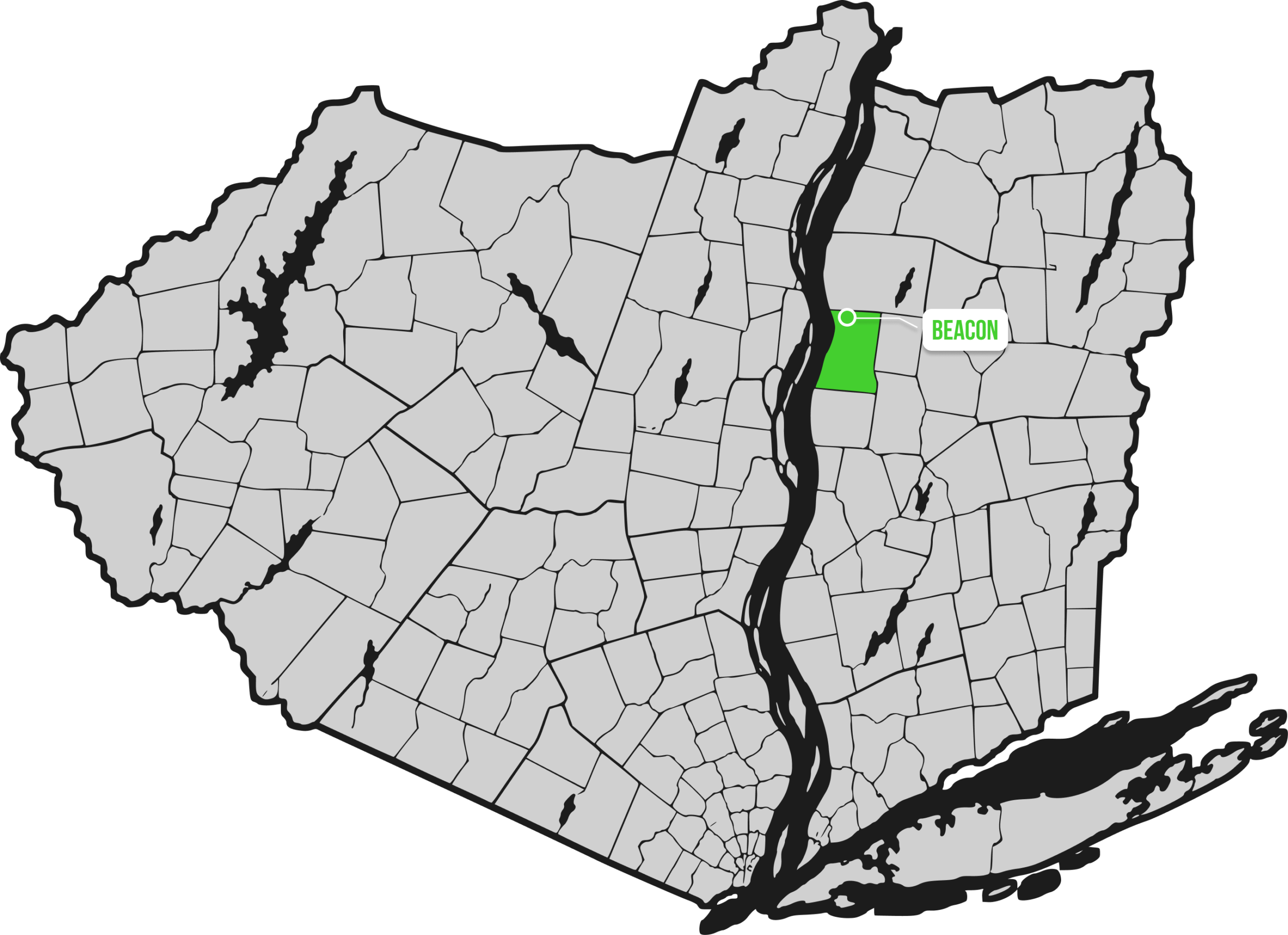
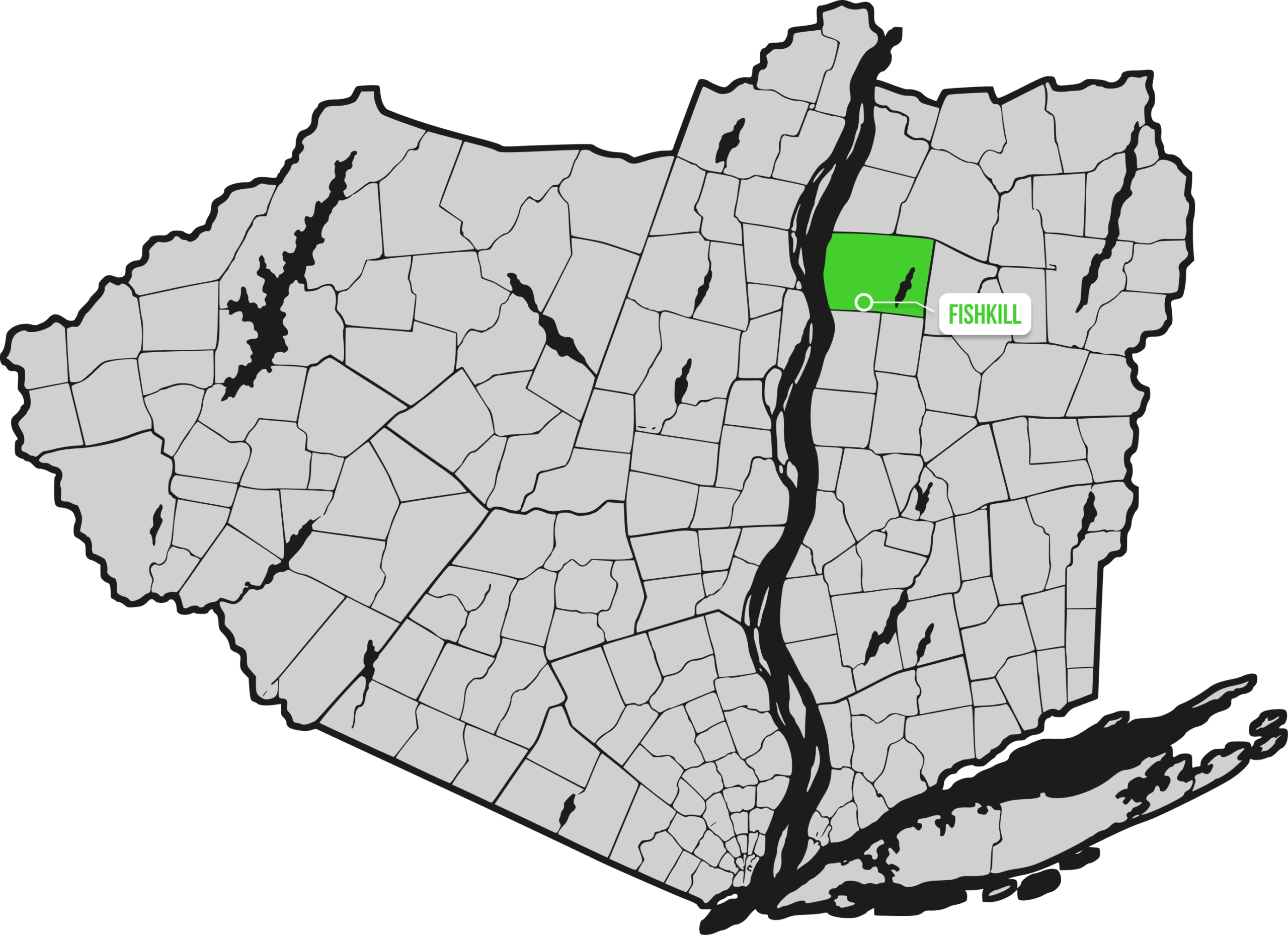
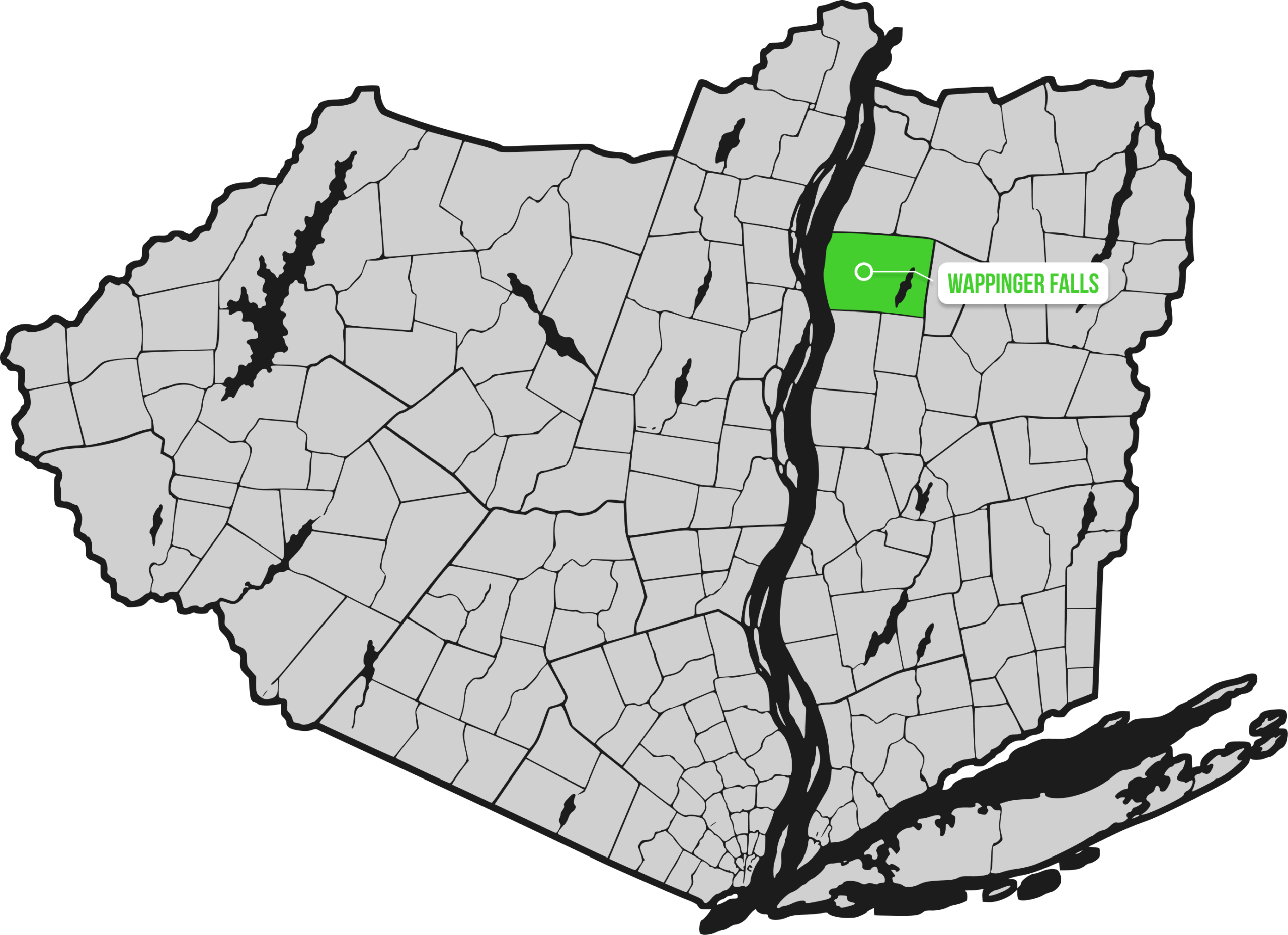
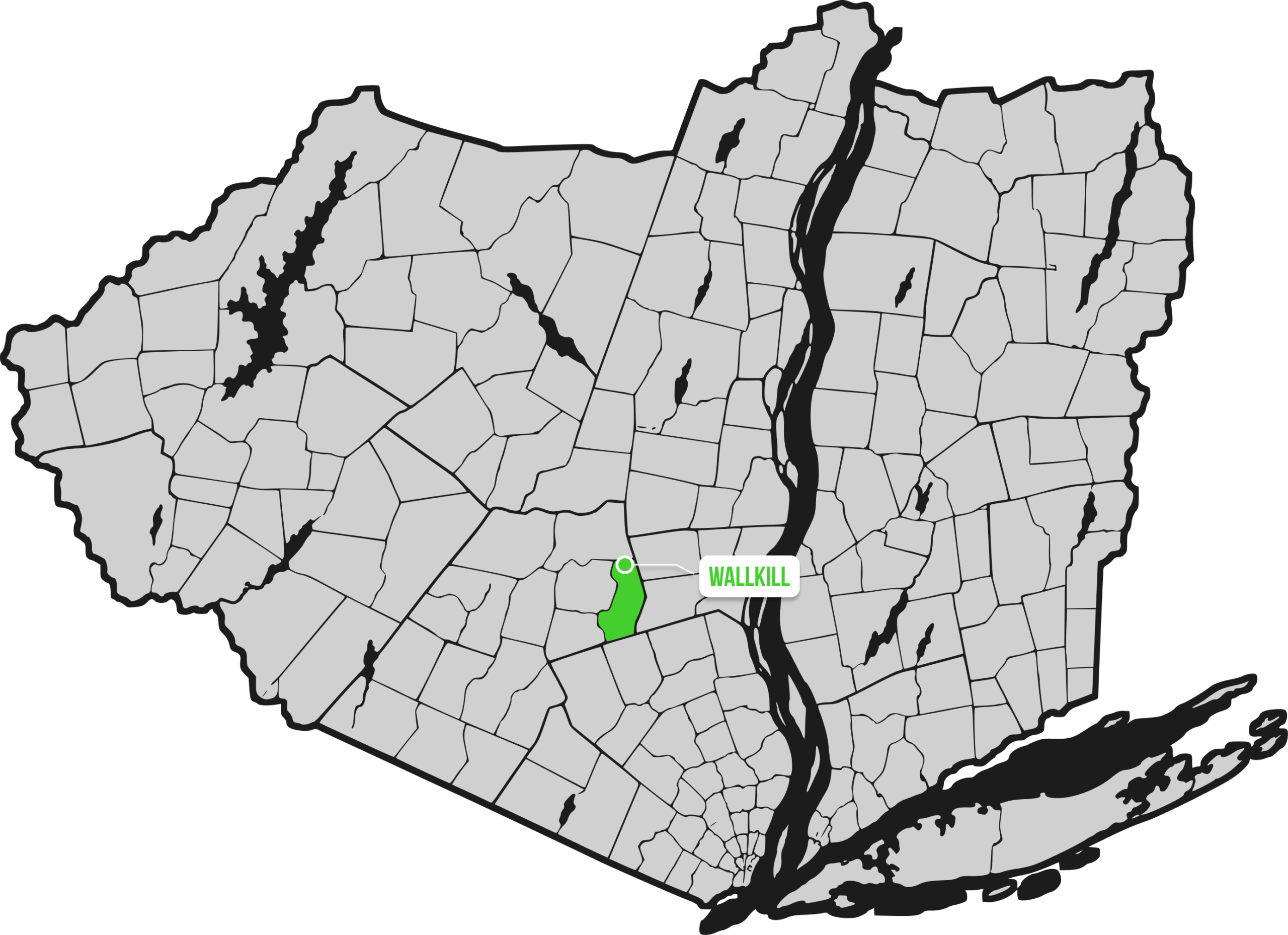
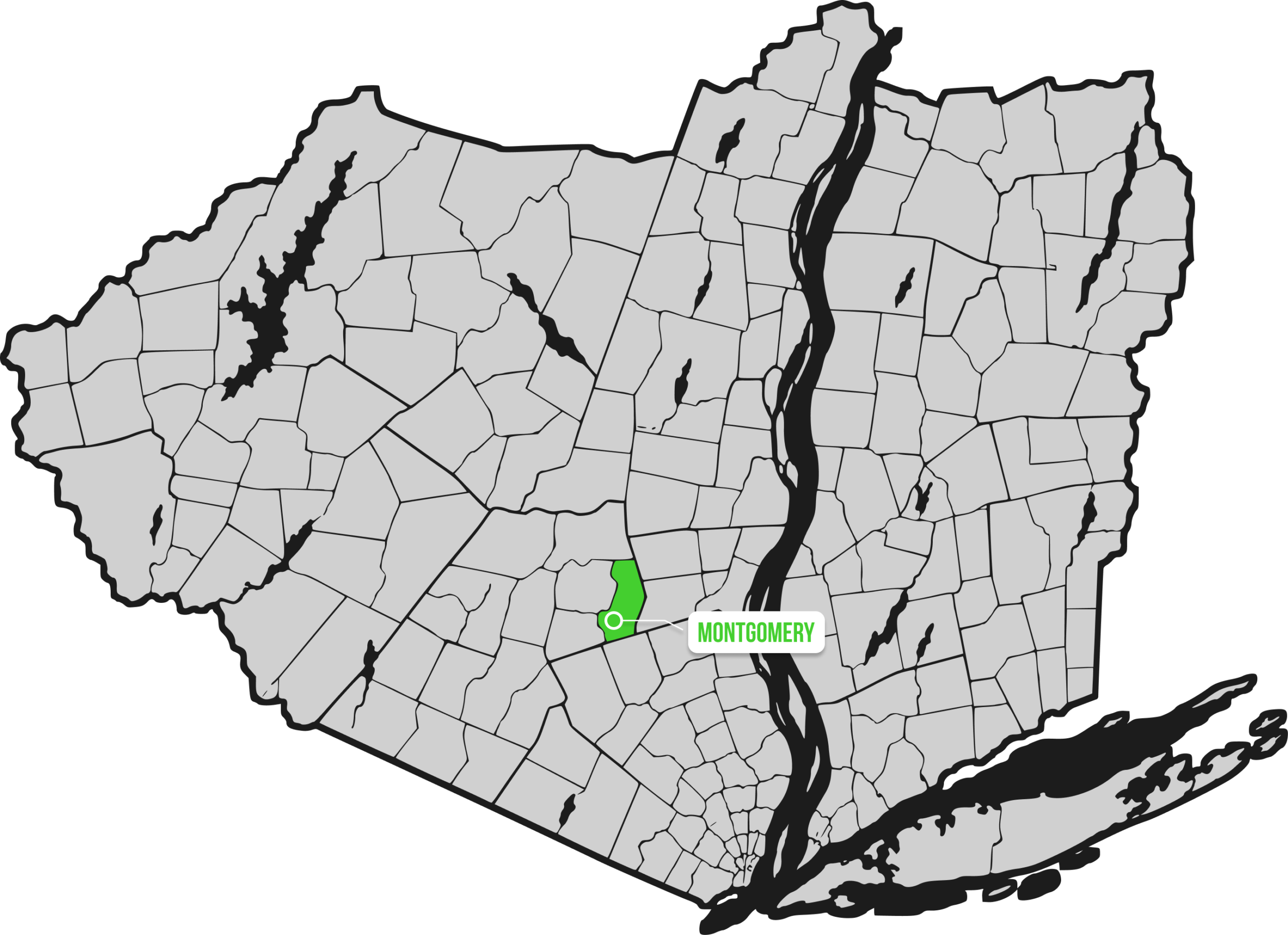
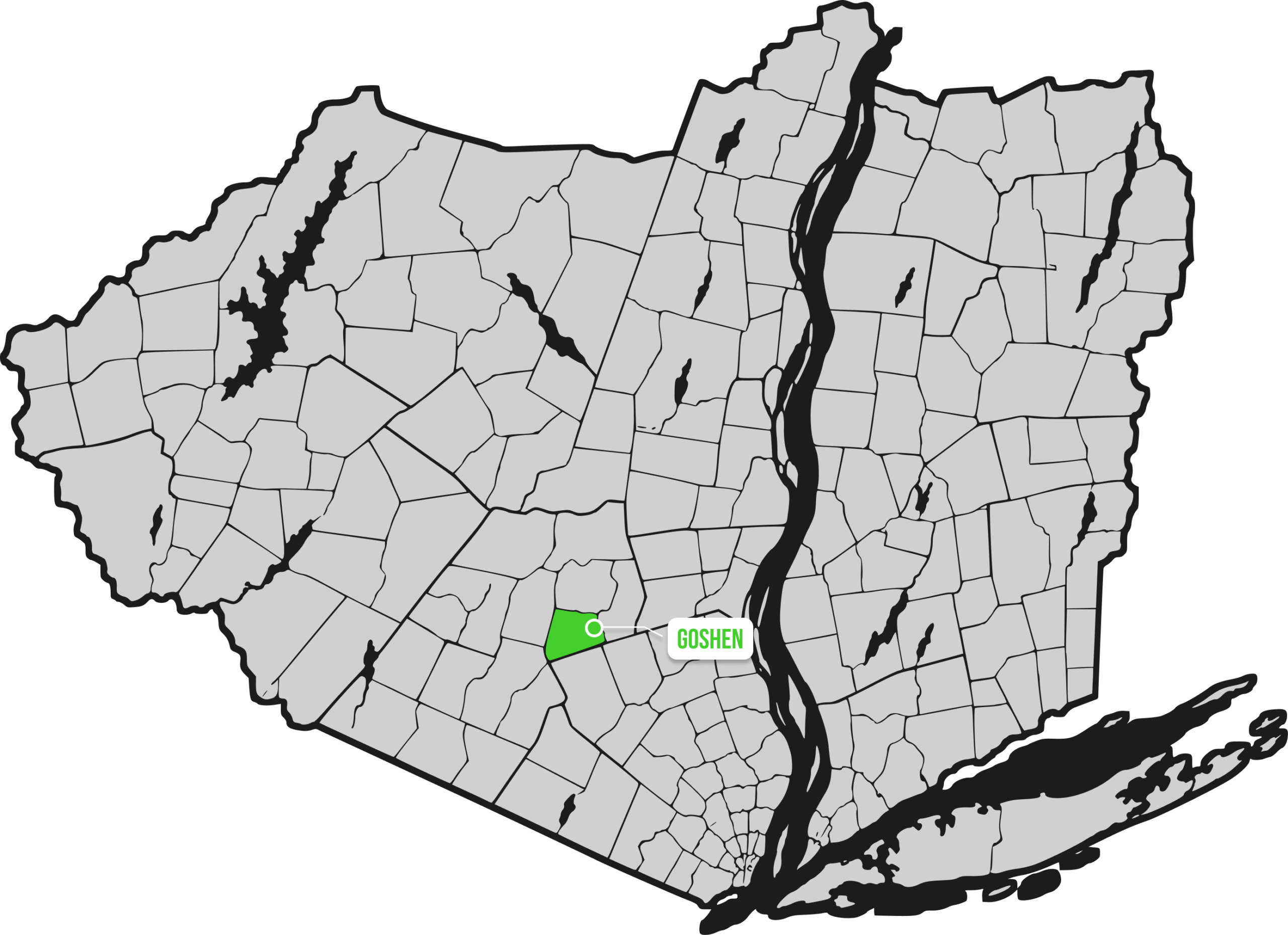
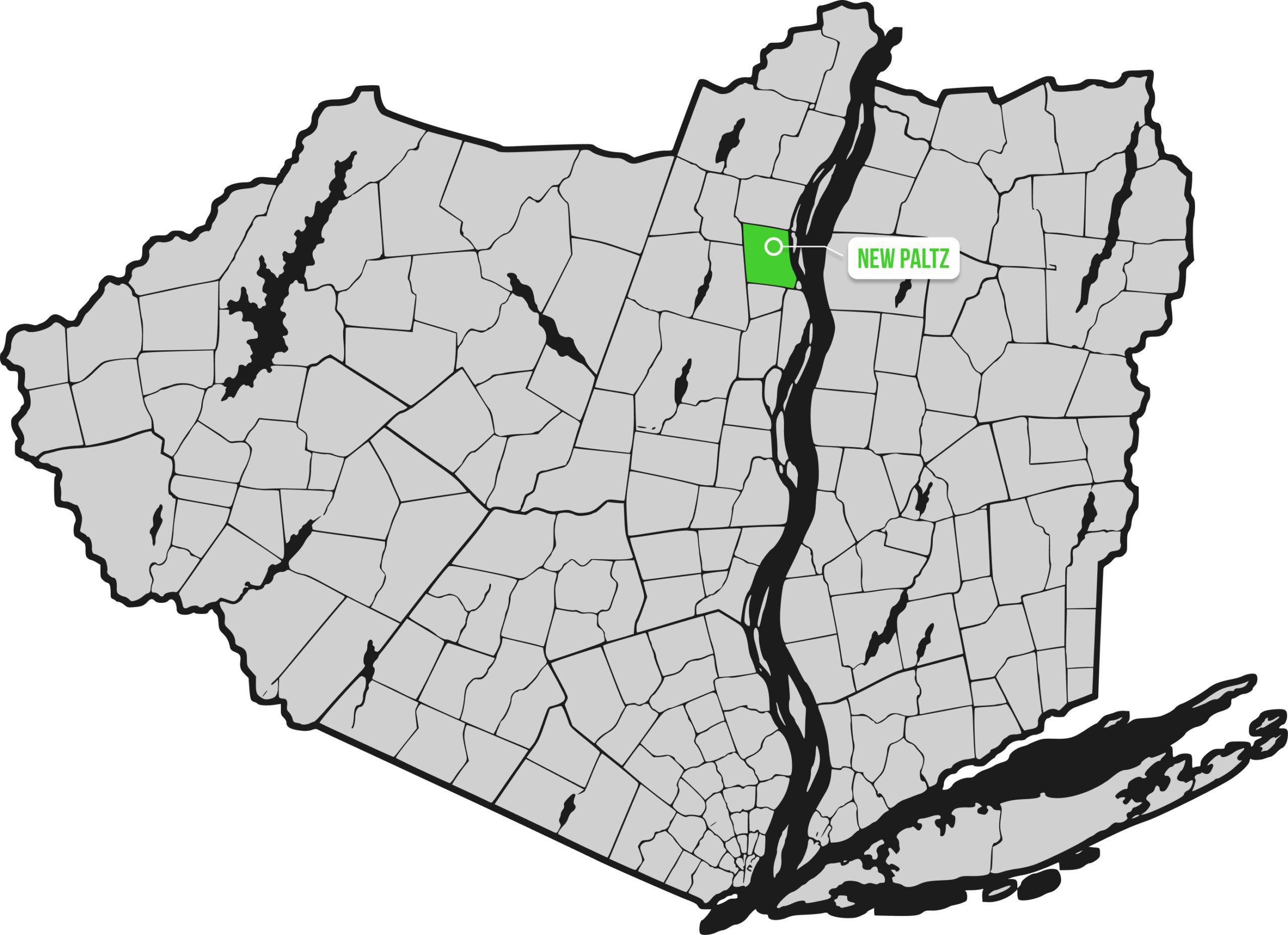
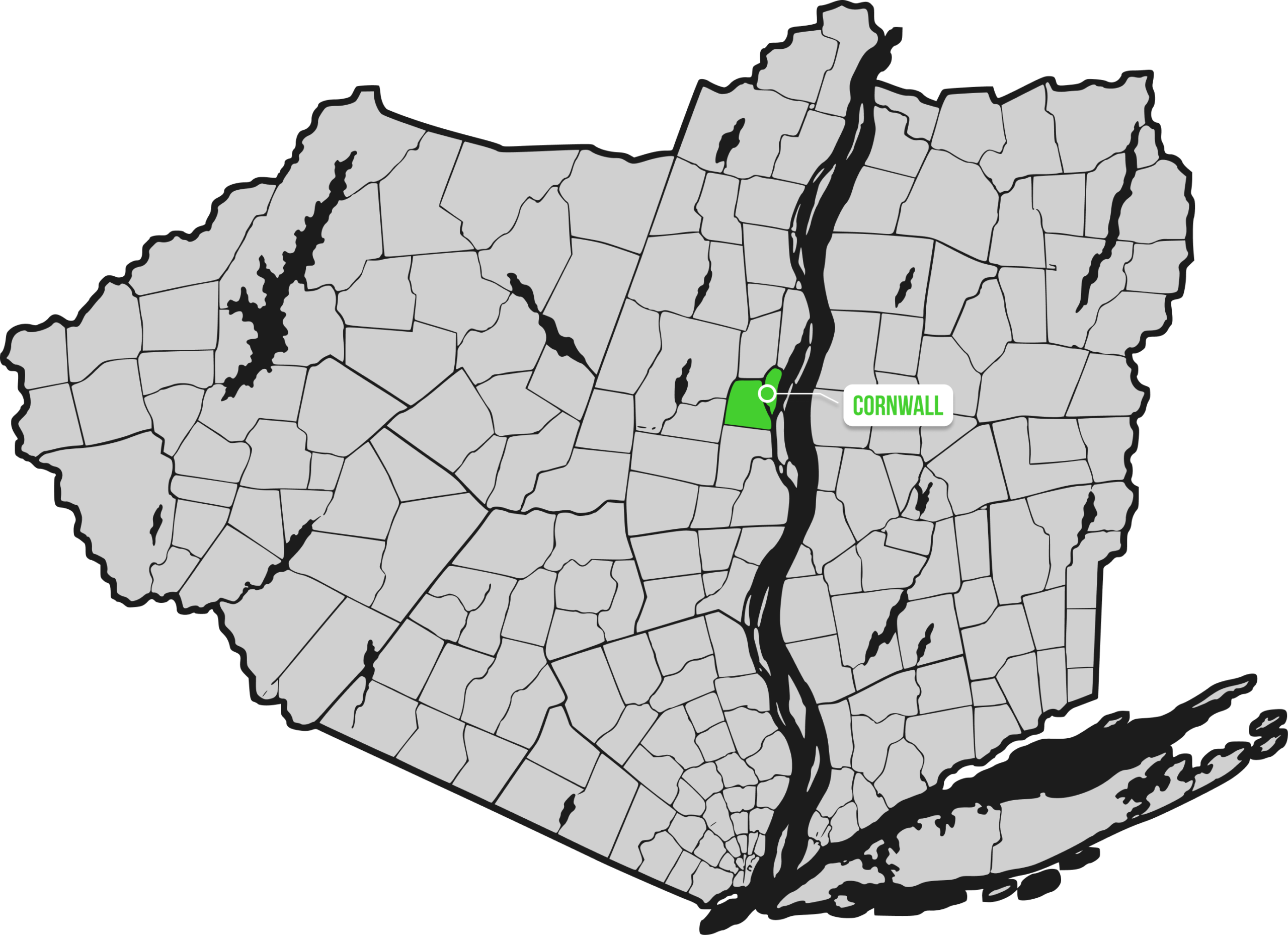
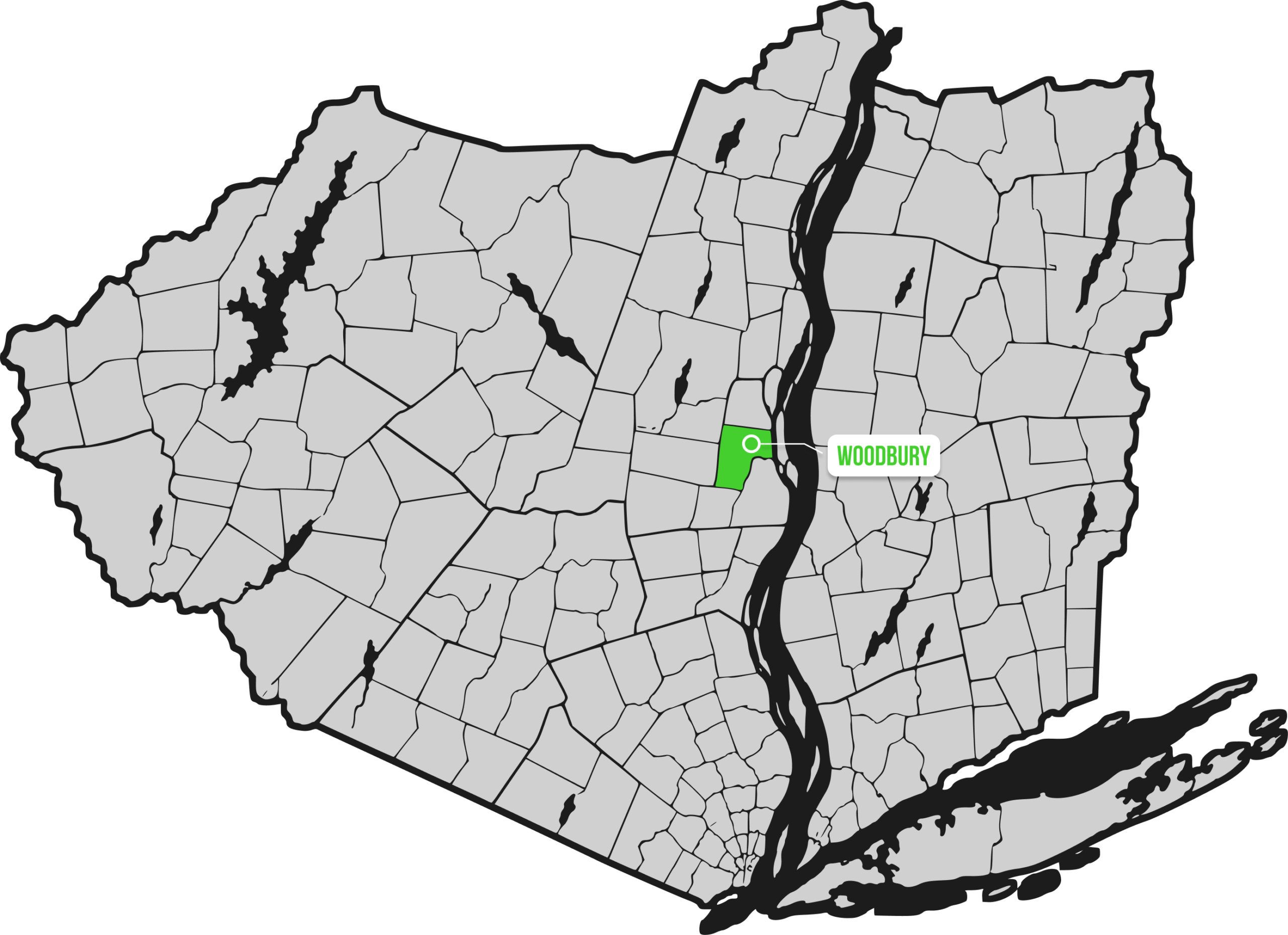
The broader Hollenbeck commercial service area includes Hudson Valley communities such as:
Would Your Pest-Control Program Hold Up If the Auditor Arrived Tomorrow?
That is a useful question.
Not because facilities should operate in fear of an inspection.
Because a mature commercial pest-management program should already be able to demonstrate what it is doing.
Where are the monitoring devices?
When were they last serviced?
What did they show?
Has activity increased?
Was a problem identified?
What corrective action was taken?
Was the corrective action verified?
What products were used?
Where are the SDS documents?
Are the facility maps current?
Those questions move pest control far beyond simply asking whether the building has bugs or mice.
Audit Readiness Begins With Risk
Every facility has vulnerabilities.
The important thing is recognizing them.
A warehouse may have dozens of dock doors.
A food plant may receive raw ingredients from multiple suppliers.
A cold-storage facility experiences repeated temperature transitions.
A packaging operation may have large quantities of corrugated material moving through the facility.
A cosmetic manufacturer may operate under entirely different sanitation and documentation requirements.
Hollenbeck’s existing audit program is specifically designed for multiple regulated environments rather than relying on one universal commercial plan.
Receiving Deserves Close Attention
The receiving area connects your controlled facility to environments you do not control.
Trucks arrive.
Dock doors open.
Pallets enter.
Packaging moves inside.
Raw materials arrive from suppliers.
That creates both pest-entry opportunities and inspection opportunities.
A disciplined program may consider:
- Dock-door condition
- Door seals
- Incoming product inspection
- Pallet condition
- Evidence on incoming freight
- Spillage
- Exterior rodent activity
- Vegetation around docks
- Monitoring-device activity
Receiving is often one of the most informative portions of a facility.
Device Maps Should Reflect Reality
A device map loses value when it no longer matches the building.
Facilities change.
Equipment moves.
Walls are constructed.
Storage racks are repositioned.
Production lines expand.
Doors are added.
A monitoring device may be moved temporarily and never returned.
An audit-ready program should therefore treat the device map as a working facility document rather than something created once and forgotten.
Hollenbeck’s current compliance program specifically includes accurate, updated maps showing bait stations, mechanical traps and fly lights.
Every Device Should Have a Reason to Exist
More traps do not automatically mean better pest control.
A monitoring device should have a purpose.
Perhaps it protects a vulnerable entry point.
Perhaps it monitors a previous trouble location.
Perhaps it helps detect activity around receiving.
Perhaps it provides trend information within a sensitive production area.
Device placement should be intentional and defensible.
When someone asks why a monitor is located where it is, there should be an answer.
Pest-Sighting Logs Turn Employees Into Additional Eyes
The pest-control technician may visit frequently.
Your employees are inside the facility every day.
A formal pest-sighting process gives them a way to communicate useful information.
A strong report might capture:
- Date
- Time
- Location
- Pest observed
- Approximate number
- Reporter
- Immediate action
- Follow-up
This information can then be compared with monitoring-device data and technician observations.
A sighting should not disappear into a casual conversation.
It should become actionable information.
Trend Analysis Changes the Conversation
Imagine a facility has four rodent captures in one year.
That number by itself tells us very little.
Now imagine all four occurred along the same exterior wall.
That is more interesting.
Now add the fact that three followed periods when one loading door was repeatedly left open.
Now we have a pattern worth investigating.
Trend analysis helps transform isolated observations into operational information.
Hollenbeck’s existing audit-readiness program specifically incorporates pest trend analysis and corrective-action reporting.
Corrective Actions Need Closure
Identifying a vulnerability isn’t enough.
Suppose a technician reports a damaged door sweep.
The report is useful.
But from a compliance standpoint, another question follows:
Was it corrected?
A well-managed corrective-action process should help document:
- What was found.
- Why it mattered.
- What action was recommended.
- Who was responsible.
- Whether it was completed.
- Whether follow-up confirmed resolution.
That closes the loop.
Sanitation and Pest Management Are Closely Connected
A pest-control technician should not be the facility’s sanitation department.
But pest observations can reveal sanitation conditions that deserve attention.
Spilled product.
Food residue.
Organic buildup.
Waste.
Standing water.
Poor storage practices.
Excess cardboard.
Grease accumulation.
Those conditions may not automatically create an infestation, but they can provide resources pests use.
A good commercial program communicates them so facility personnel can respond.
Exterior Conditions Belong in the Audit Conversation
Commercial pest management does not begin at the front door.
The perimeter matters.
Inspectors and technicians may need to evaluate:
- Exterior rodent stations
- Vegetation
- Waste storage
- Standing water
- Building penetrations
- Dock doors
- Roof areas
- Bird activity
- Drainage
- Outdoor storage
Hollenbeck’s broader commercial offering includes vegetation management, wildlife services and exterior pest programs that can support this larger facility approach.
Fly Lights Become More Valuable When They Produce Data
A fly light should not simply hang on the wall until someone remembers to service it.
Captures can provide information.
Which species are appearing?
Which device catches the most?
Has activity increased?
Is one part of the building changing?
Does the pattern suggest exterior entry?
Could a drain be involved?
Hollenbeck’s audit program incorporates fly-light devices into its mapped monitoring and trend-documentation system.
Material Documentation Needs to Be Available
If pest-control products are used within the program, facility management may need access to relevant safety and product information.
Hollenbeck’s current compliance records include:
- Safety Data Sheets
- Product labels
- Material documentation
- Technician credentials
- Insurance information
- QualityPro certification documentation
The purpose is straightforward.
If the auditor asks, someone should know where the information is.
Pre-Audit Reviews Can Find Problems While There Is Still Time to Fix Them
Waiting for the official audit to discover that a map is outdated or a corrective action was never closed creates unnecessary stress.
A pre-audit assessment provides an opportunity to review the pest-management side of the operation before formal inspection.
Questions can include:
Are device numbers accurate?
Are all devices accessible?
Are logs current?
Are corrective actions documented?
Are SDS records complete?
Are monitoring trends being reviewed?
Are facility changes reflected in the program?
Are exterior vulnerabilities being addressed?
Finding the problem earlier is almost always preferable.
Food Manufacturing & Packaging
Food environments may operate under demanding safety frameworks requiring tight sanitation, structural control and pest documentation.
Hollenbeck’s existing audit program specifically identifies food manufacturing and packaging among the sectors it serves.
Important areas may include:
- Raw-material receiving
- Ingredient storage
- Production
- Packaging
- Finished-goods storage
- Employee areas
- Waste
- Loading docks
- Exterior perimeter
Each area contributes different information to the pest program.
Cold Storage & Logistics
Temperature-controlled facilities introduce another operational challenge.
Rapid door movement.
Temperature transitions.
High-volume receiving.
Large storage areas.
Freight movement.
Hollenbeck currently identifies cold storage and logistics facilities as specialized audit-readiness sectors.
A pest plan for these facilities should reflect those operational realities rather than simply copying a general warehouse program.
Distribution Centers
Distribution facilities may handle enormous amounts of incoming and outgoing freight.
That makes perimeter control, receiving and monitoring particularly important.
The challenge isn’t just eliminating pests that have entered.
It is detecting activity while products and pallets move continuously through the building.
Cosmetic Manufacturing
Hollenbeck’s existing page specifically identifies cosmetic facilities operating under ISO 22716 GMP requirements among the sectors supported by its audit-ready programs.
These environments may require a very different pest-management conversation from food warehouses, even though both depend on organized documentation and prevention.
Nutraceutical & Supplement Facilities
Nutraceutical and supplement operations are also identified within Hollenbeck’s existing compliance program.
Facilities handling sensitive ingredients and finished products can benefit from high-frequency monitoring, controlled documentation and rapid response to anomalies.
Pet Food & Ingredient Operations
Raw ingredients and stored products can create distinct pest-management concerns.
The existing Hollenbeck audit page specifically identifies pet food manufacturers as another specialized sector.
Monitoring may need to consider:
- Stored-product pests
- Rodents
- Incoming bulk ingredients
- Production areas
- Finished goods
- Spillage
- Warehouse conditions
Again, the program follows the operation.
Which Audit Standards Does Hollenbeck Support?
Hollenbeck’s current audit-readiness program identifies experience supporting facilities working with:
SQF — Safe Quality Food
SQF programs place significant emphasis on documented food-safety systems and facility controls.
BRCGS
BRCGS standards are widely used within manufacturing, food safety, packaging and supply-chain environments.
FSSC 22000 & ISO 22000
These food-safety management frameworks can require formalized systems, risk management and supporting documentation.
HACCP
Hazard Analysis Critical Control Point programs focus on identifying and controlling significant food-safety hazards within the operation.
AIB International
AIB inspections are widely associated with food manufacturing, baking, distribution and related facility standards.
ISO 22716
ISO 22716 addresses Good Manufacturing Practices within cosmetic manufacturing.
These are standards and programs Hollenbeck’s existing audit page says its commercial pest-management systems are designed to support. Hollenbeck itself is not the organization issuing those certifications or conducting the final third-party audit.
Local Service Can Be an Advantage
Compliance requirements may be national or international.
The pest-control company still needs to show up at your facility.
That is where a regional provider can offer a practical advantage.
When unusual activity occurs, a local commercial team can potentially respond without navigating the layers associated with a distant national operation.
Hollenbeck currently positions its audit program as combining Hudson Valley regional service with protocols appropriate for national third-party auditing requirements.
Don’t Build the Program for One Day a Year
The audit is an event.
Compliance is a process.
A facility that operates well every day should not need to reinvent its pest-management documentation when an inspector arrives.
Monitoring should already be occurring.
Records should already exist.
Corrective actions should already be tracked.
Maps should already be accurate.
That is the goal.
Not simply:
“Can we pass next Tuesday?”
But:
“Is our pest-management program ready to be reviewed any day?”
Commercial Pest-Control Audit & Compliance FAQs
Why do ants keep coming back after I spray them?
Sprays may kill visible worker ants without eliminating the colony responsible for the activity. If the nest remains active, additional ants can continue appearing.
What ants are common in the Hudson Valley?
Several ant species can become problems around Hudson Valley properties, including carpenter ants, pavement ants, and other common household ants. Proper identification is important because treatment strategies can vary by species.
Are carpenter ants dangerous to my home?
Carpenter ants don’t eat wood like termites, but they excavate wood to create nesting galleries. Established colonies inside structural wood can cause damage over time and may be associated with moisture problems.
How can I tell the difference between carpenter ants and termites?
Carpenter ants and termites differ in appearance and behavior. Carpenter ants excavate wood for nesting, while termites consume cellulose. Because both can indicate a potentially serious pest issue, professional identification is recommended.
Do you treat ants inside and outside?
Yes. Depending on the infestation, ant control may involve interior activity, exterior nesting areas, entry points, or a combination of treatments.
Does Hollenbeck offer ongoing ant prevention?
Yes. Hollenbeck offers preventative service plans covering more than 30 standard pests for customers who want ongoing protection.
Don’t Find Out During the Audit That Your Pest Program Wasn’t Ready.
Your quality team should be able to open the pest-management records and understand exactly what has been happening inside and around the facility.
Where the devices are.
What they found.
What changed.
What was corrected.
And what happened afterward.
Hollenbeck Pest Control can evaluate your existing program, identify vulnerabilities and build an audit-ready commercial pest-management system around the requirements of your facility.