Spotted Lanternfly Control in the Hudson Valley, NY
An Invasive Pest That Can Become Impossible to Ignore








Get a Free Quote
Tell us a little about your pest control needs and how we can help. Our team will review your concerns and recommend the right solution for your property.
SPOTTED LANTERNFLIES ARE DIFFERENT FROM MOST HOUSEHOLD PESTS
The Problem Starts With the Plants Around Your Property
Despite the name, spotted lanternflies are not actually flies. They are invasive plant-feeding insects that spend their lives outdoors feeding on plants. They do not bite or sting people.
What makes them such a nuisance is the number that can gather in one location.
A property with suitable host plants may experience dozens—or far more—concentrated around trees and surrounding outdoor areas.
Their feeding can also create another problem:
Honeydew.
This sugary waste can accumulate beneath heavily infested plants, leaving surfaces sticky and contributing to the growth of black sooty mold. Cornell also notes that honeydew can attract other insects, including stinging insects.
Outdoor Pest Problems Require Different Solutions






WHY CHOOSE HOLLENBECK?
DON’T TREAT THE YARD BLINDLY
Start With What’s Actually Happening
Spotted lanternflies present a different challenge from ants, cockroaches, or rodents.
They’re outdoor plant feeders.
That means treatment decisions should take the surrounding vegetation, level of activity, life stage, and actual nuisance problem into account.
Hollenbeck brings generations of pest-control experience and the scientific expertise of a Board Certified Entomologist to situations where correct identification and responsible treatment decisions matter.
Why Choose Hollenbeck?
- More Than Four Generations of Pest Control Experience
- Family Owned & Operated Since 2008
- Board Certified Entomologist on Staff
- QualityPro Certified Since 2010
- 6× Hudson Valley’s Finest Winner
- Professional Pest Identification
- Local Hudson Valley Experience
- Property-Specific Recommendations
- Residential & Commercial Service
- Responsible Treatment Approach
- Responsive Local Technicians
Safe. Effective. Guaranteed.™


Ready to Get Started?
BEFORE YOU SPRAY EVERYTHING IN SIGHT...
Determine Whether Treatment Is Actually Needed
Spotted lanternfly management shouldn’t automatically mean spraying every tree on a property.
Cornell notes that spotted lanternflies rarely cause meaningful damage to most landscape trees, meaning insecticide treatment is not generally necessary solely to protect the health of those trees. Treatment can still be considered when large populations are creating a significant nuisance or when susceptible plants warrant additional attention.
A thoughtful approach considers:
- Number of insects present
- Host plants on the property
- Location of activity
- Egg masses
- Nymph or adult activity
- Honeydew accumulation
- Sooty mold
- Outdoor living areas affected
- Nearby grapevines or sensitive plants
The objective is informed management—not unnecessary treatment.
HOW HOLLENBECK APPROACHES SPOTTED LANTERNFLY ACTIVITY
01
Confirm the Insect
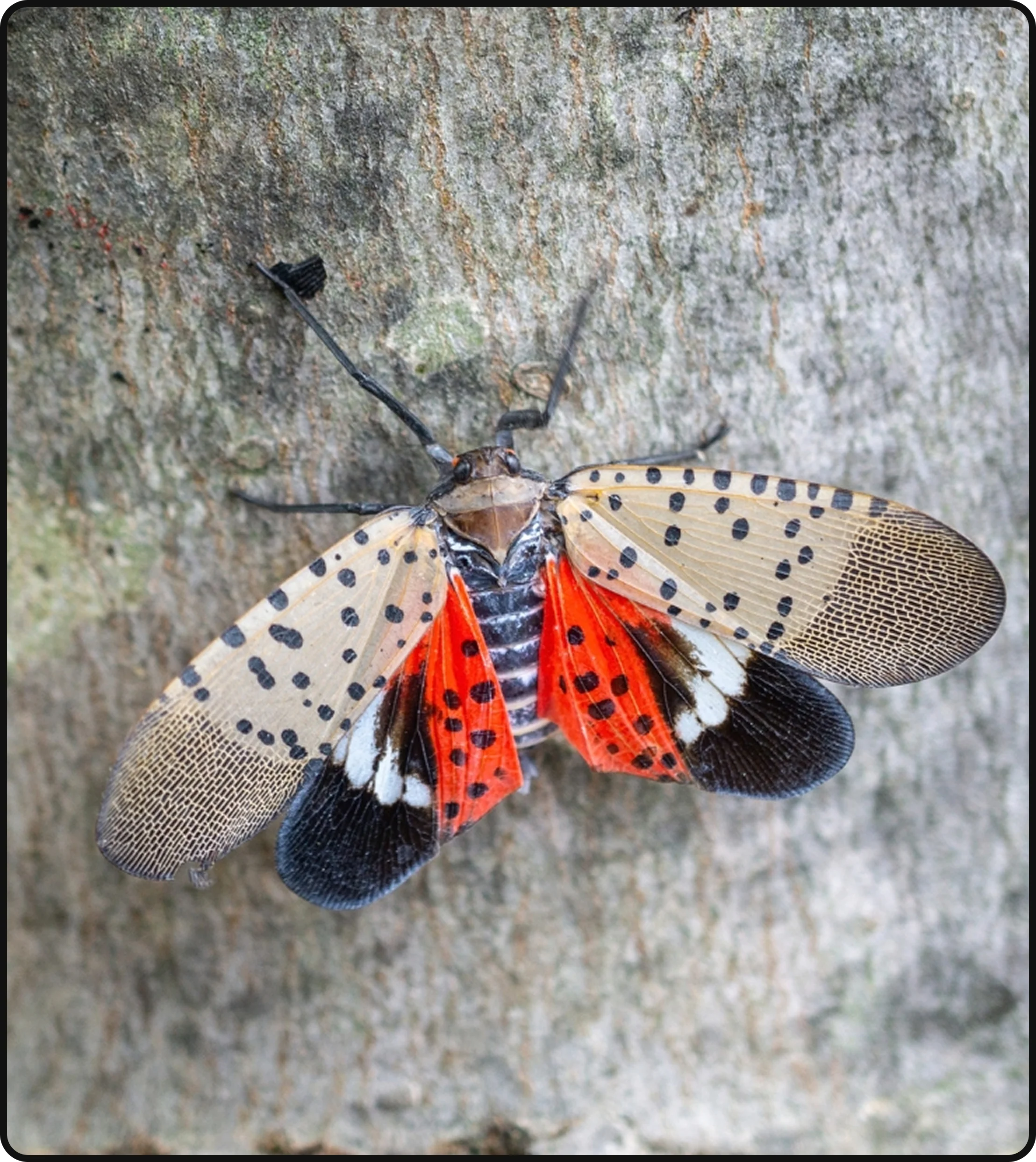
Spotted lanternflies look dramatically different as they develop from early-stage nymphs to adults. Correct identification comes first.
02
Look at the Plants
We consider where activity is concentrated and which trees, vines, or other plants insects are using.
03
Determine the Level of the Problem
A handful of insects and a property experiencing heavy nuisance activity are different situations.
04
Recommend an Appropriate Response
Depending on the circumstances, management may involve treatment, mechanical controls, egg-mass removal, monitoring, or other measures.
Special Offers
More Ways to Save on Pest Control
$50 off
Initial Pest Control Treatment
Get $50 off your initial pest control treatment when you sign up for an annual pest protection plan.
Cannot be combined with other offers or discounts. General pest control only. New customers only.
$25 off
Your Next Service
Refer a friend, family member, or neighbor to Hollenbeck Pest Control and receive $25 off your next service when the person you refer signs up for an annual pest protection plan.
Cannot be combined with other offers or discounts. Account must be in good standing. Referee must complete service.
Trusted by Homeowners Throughout the Hudson Valley
Posted on Google
 Hoodpunk 'd
Trustindex verifies that the original source of the review is Google.
Quick fast professional service thanks got rid of wasp nest in in a few minutes!! Thanks! LizPosted on Google Robert WickhamRob was amazing. He knew exactly what to do and wasn’t afraid to get dirty and get the job done. An absolute professional, and sweet to my young son who was there too. I am so happy we called when we did!Posted on Google
 Michael ReganCame same day as called and Robert did an amazing job at removing an inside nest.Posted on Google
 John mullarkey
Trustindex verifies that the original source of the review is Google.
Very well managed called that day tech was there latter same day sprayed for flies do to a decaying rodent somewhere under house we could not get to very happy with responsePosted on Google Roy WExcellent, professional customer service. We have been customers of HOLLENBECK PEST CONTROL for several years. We’ve had other pest control services come to our home offering services, but our belief is if it’s not broke do not fix it. Tiffany, Nora, and the rest of the team are simply outstanding and so responsive to our needs. We highly recommend them for Quality service with great outcomes.Posted on Google
 Mike TomassiHave been with Hollenbeck pest control for 3 years, and all the problems I’ve had were taken care of. The technicians are very well educated and knowledgeable. I’ve had Max for a few years and is just fantastic.Posted on Google
 David LopezIf you don’t have Hollenbeck your missing out!Posted on Google
 Susan RiccardiThis was a free inspection and Floyd, was great, he friendly, answered all my questions and showed up on time. I really appreciated his professionalism and he put my mind at ease. If I have any problems in the future I will definitely reach back out.
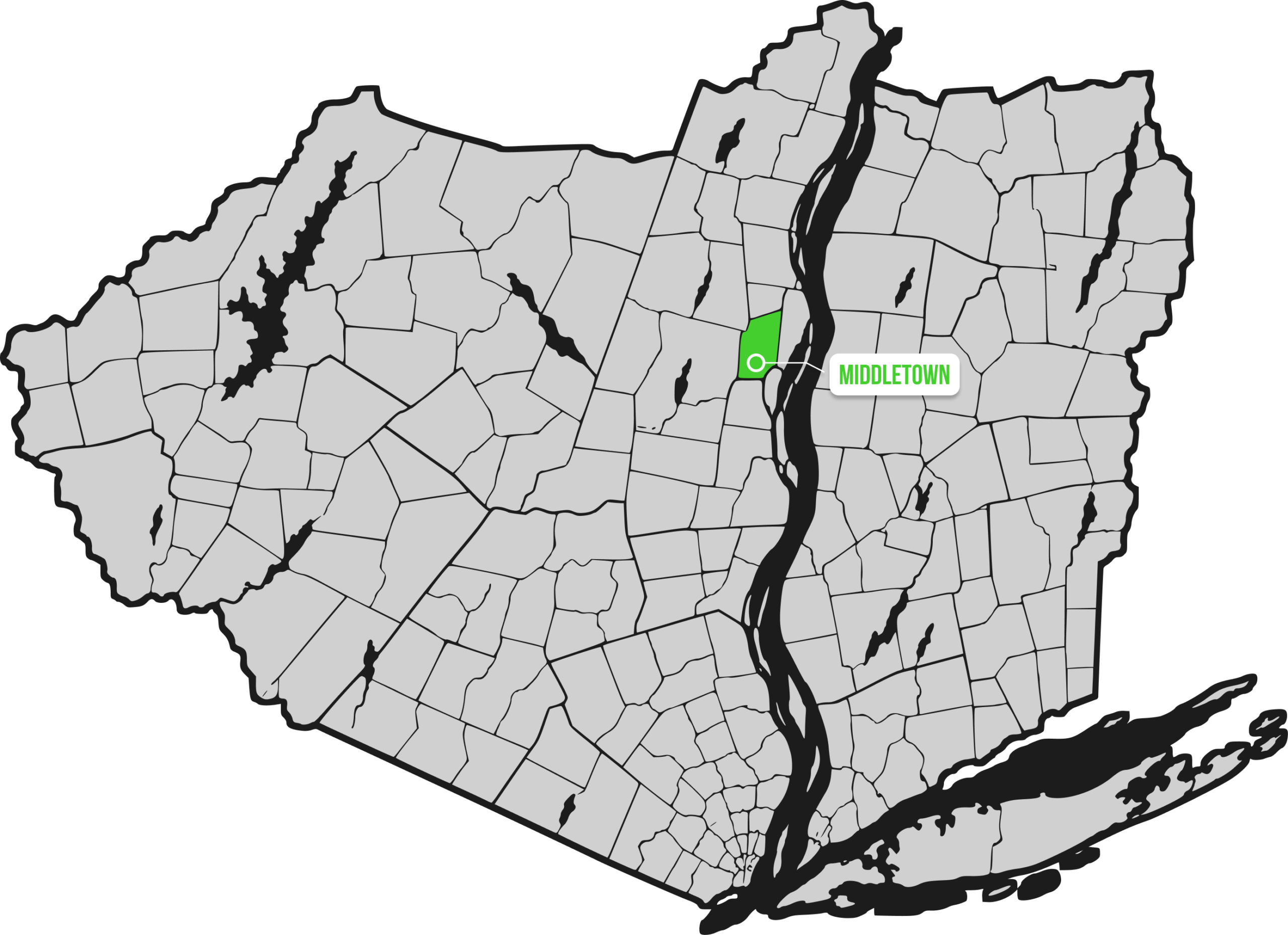
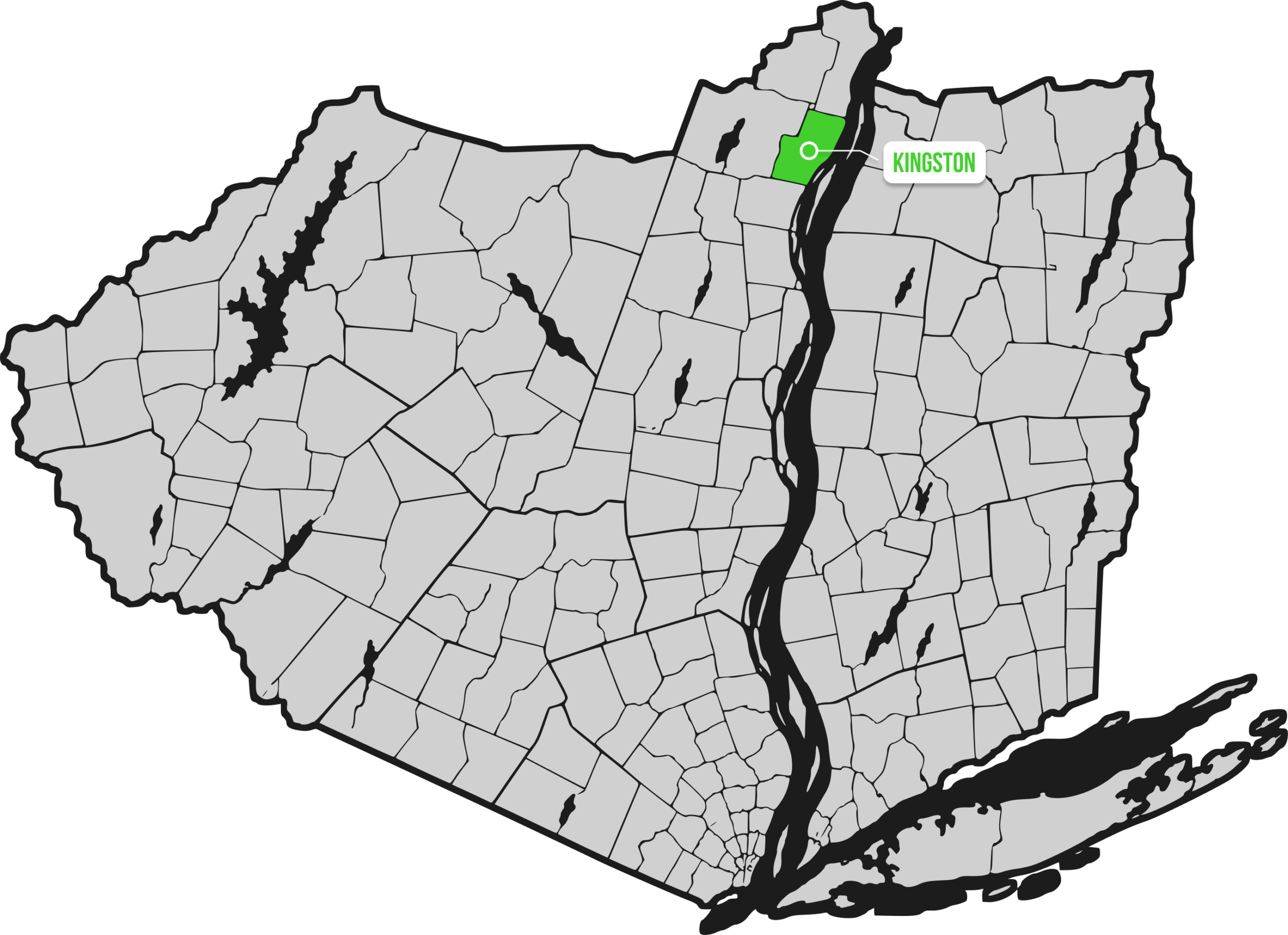
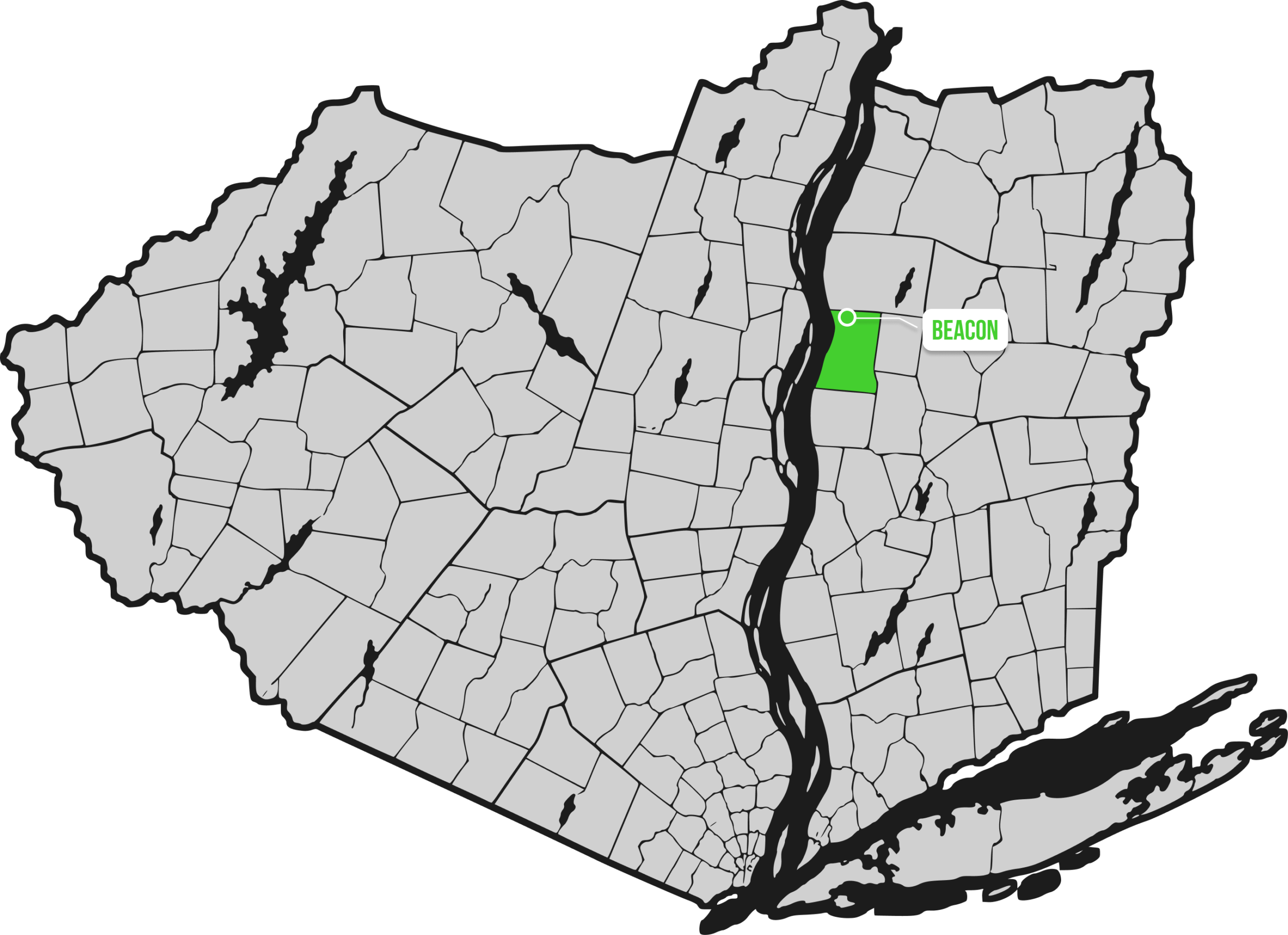
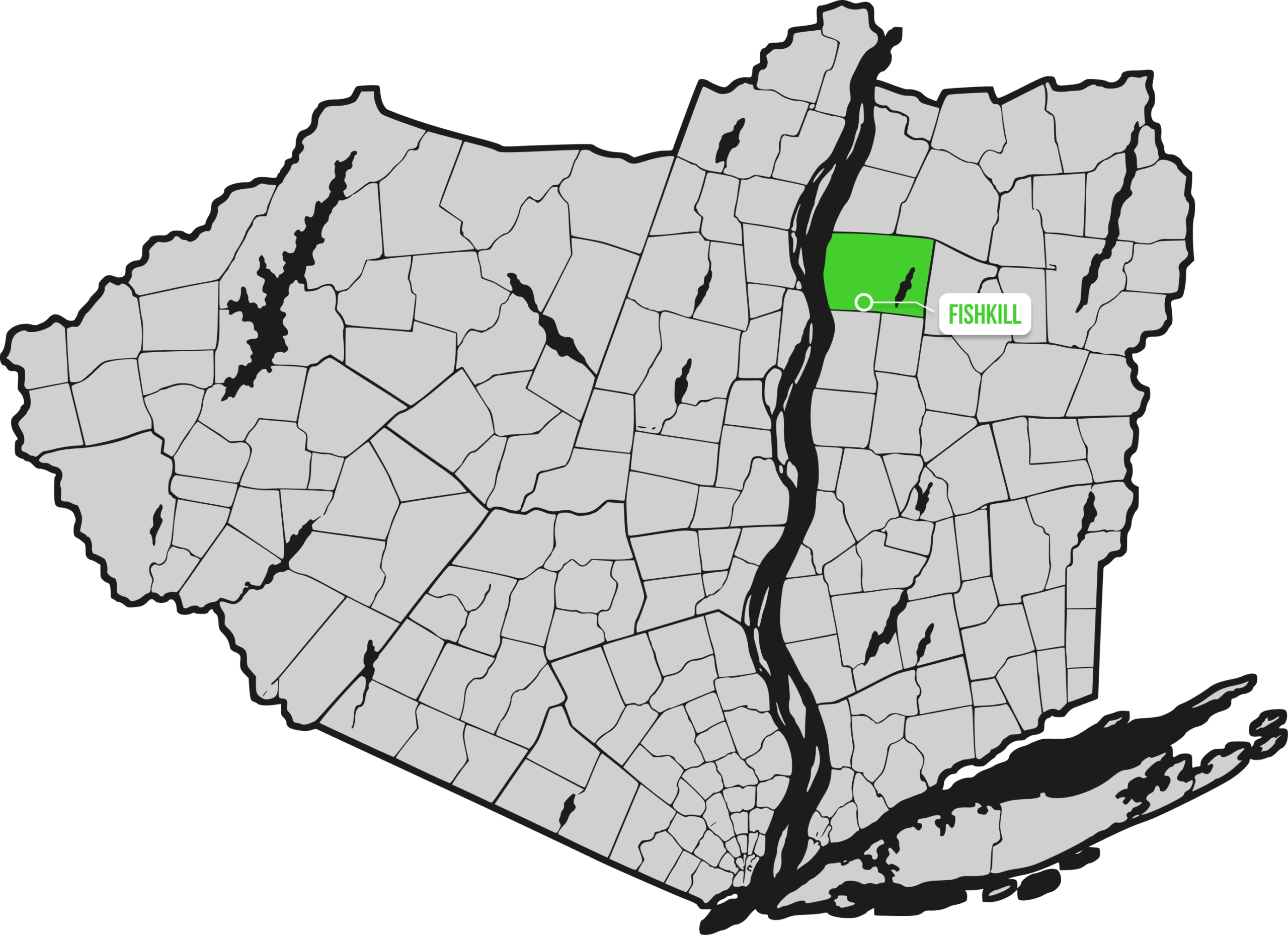
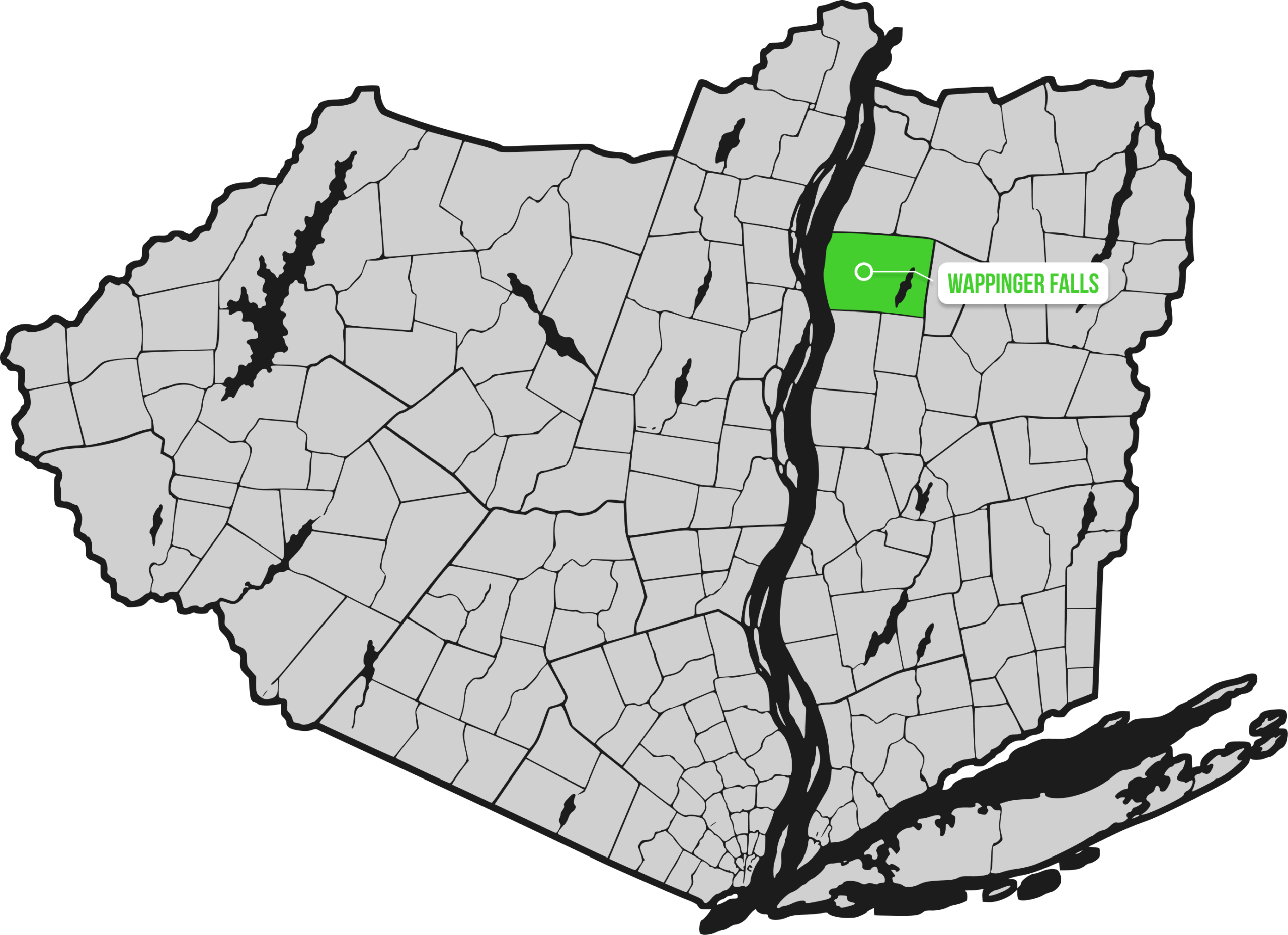
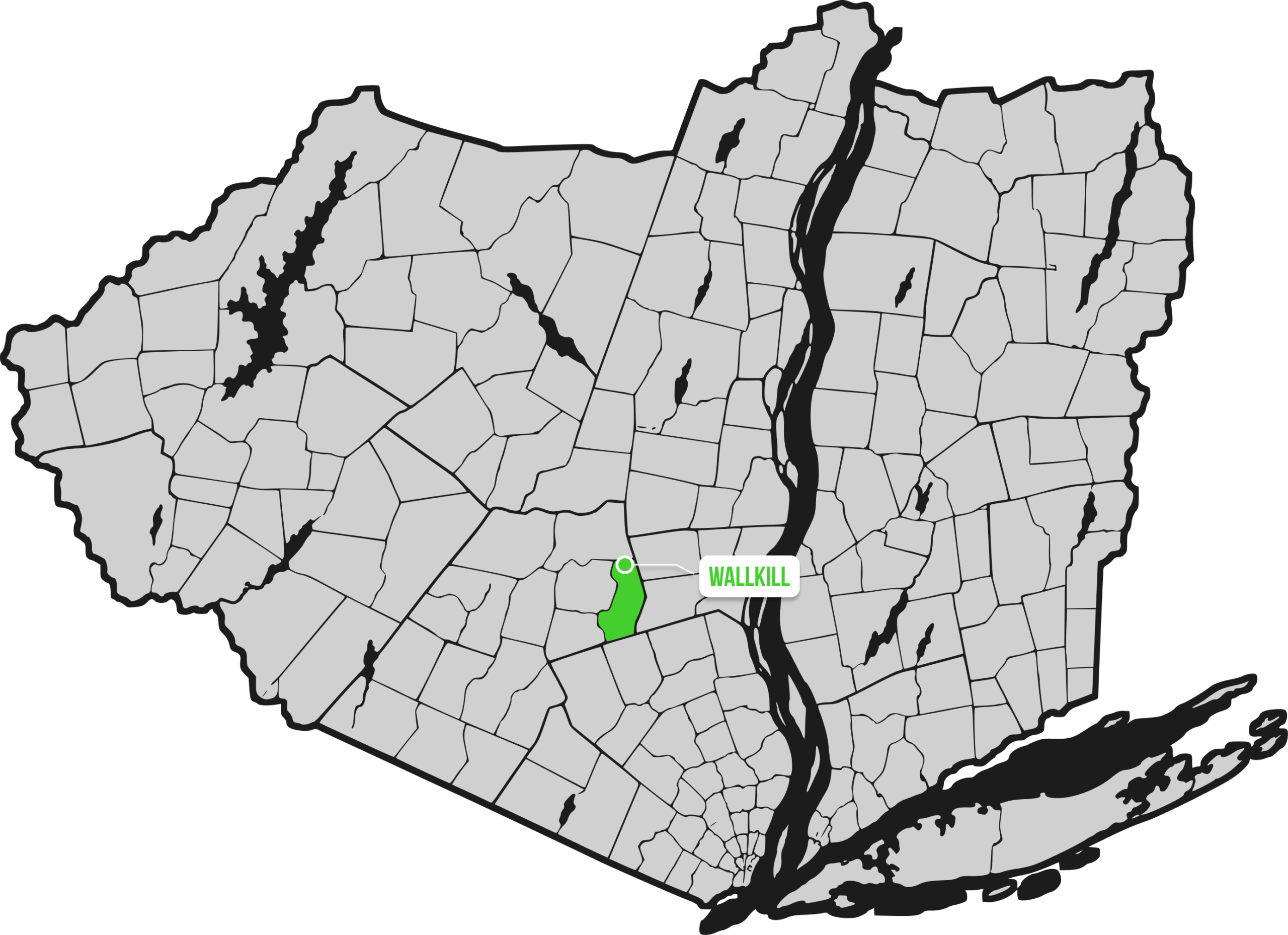
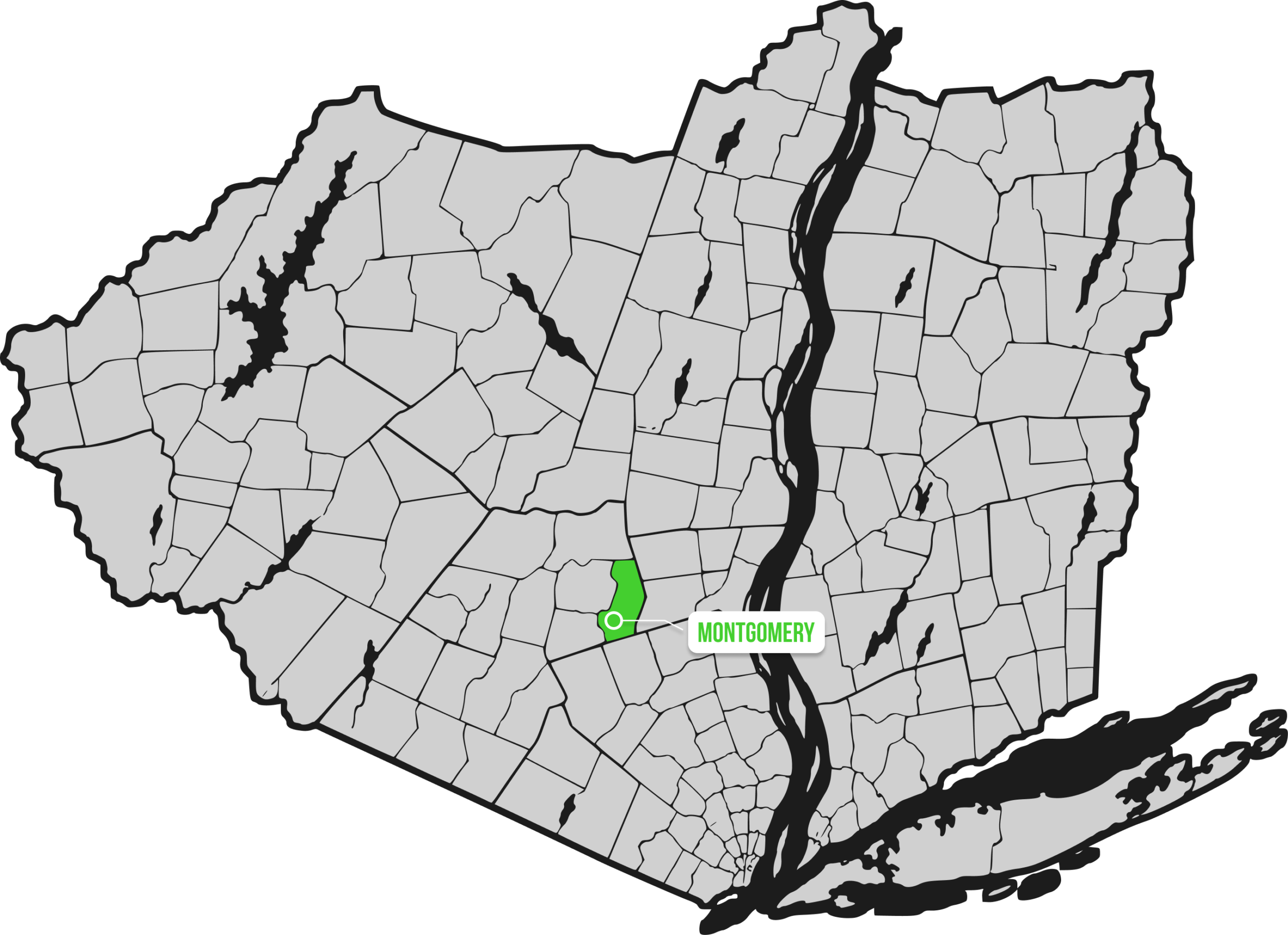
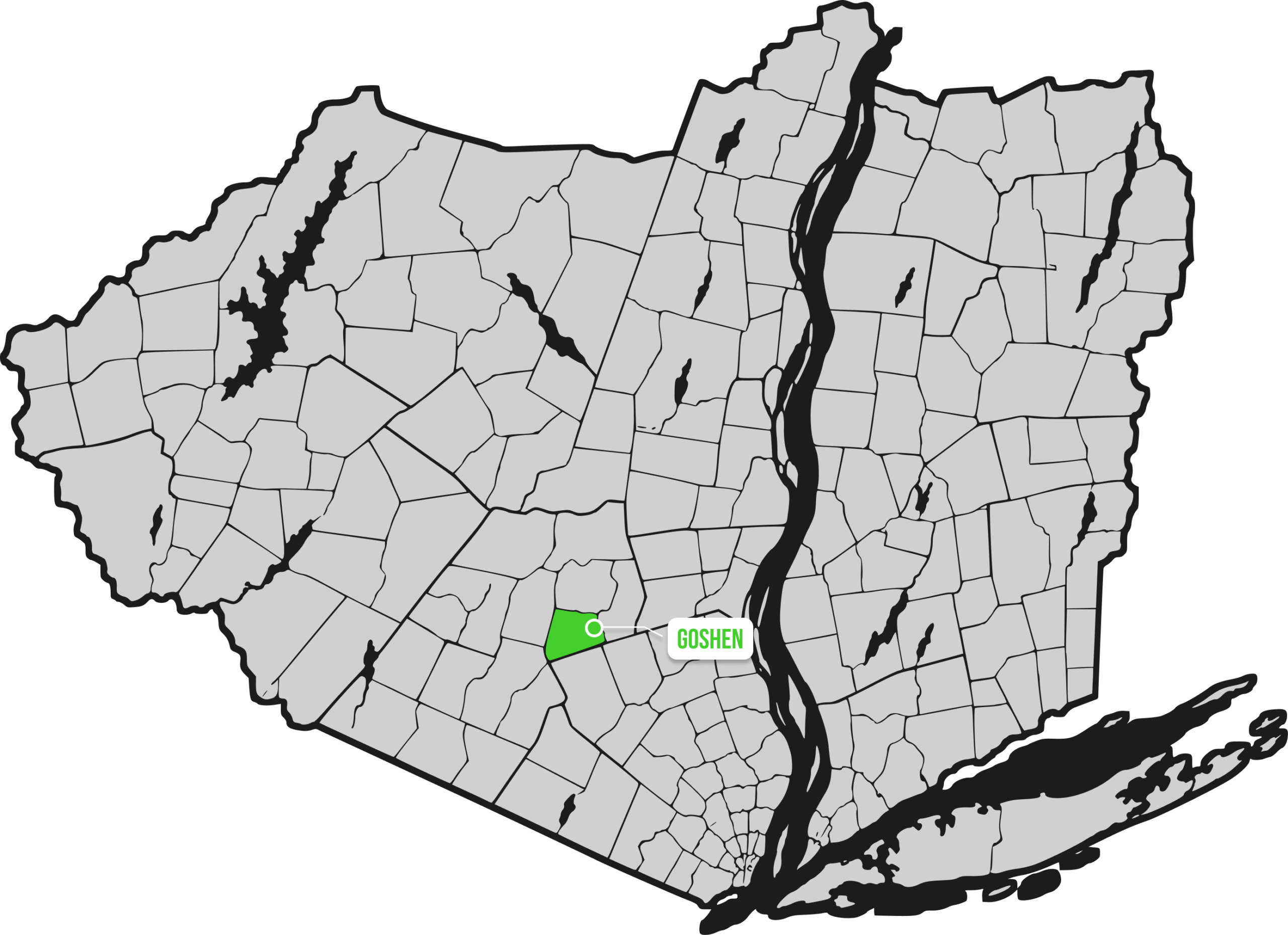
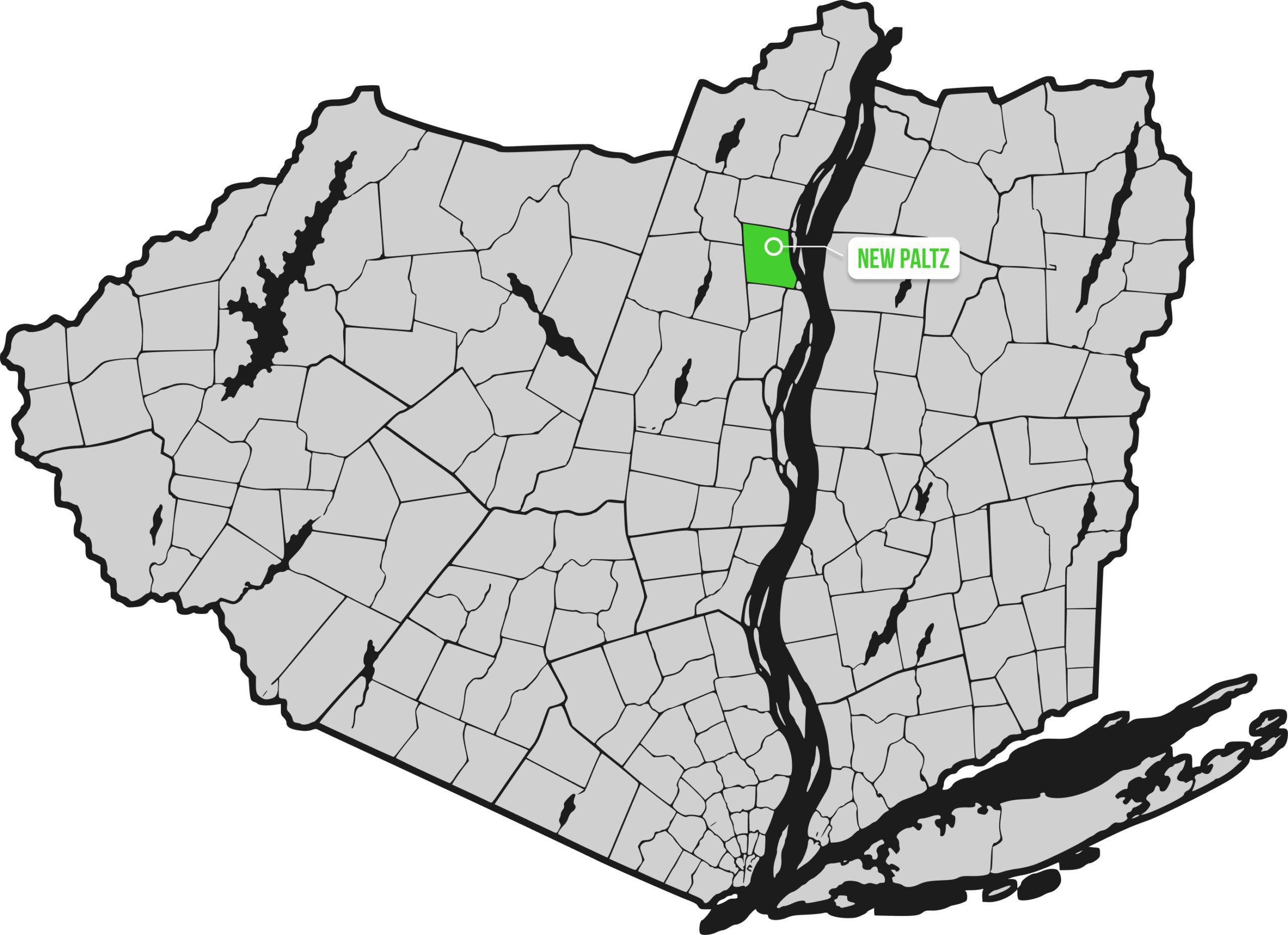
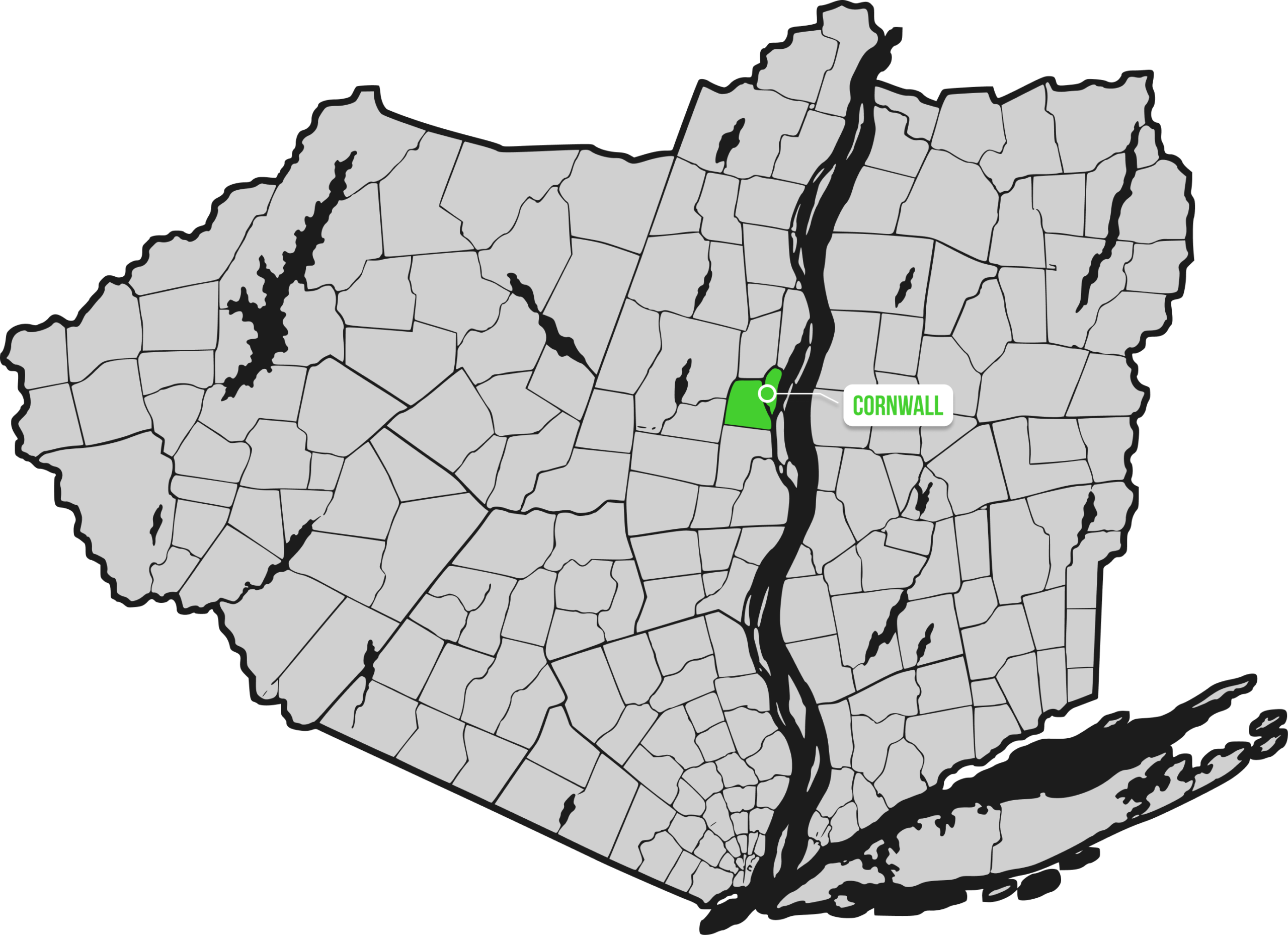
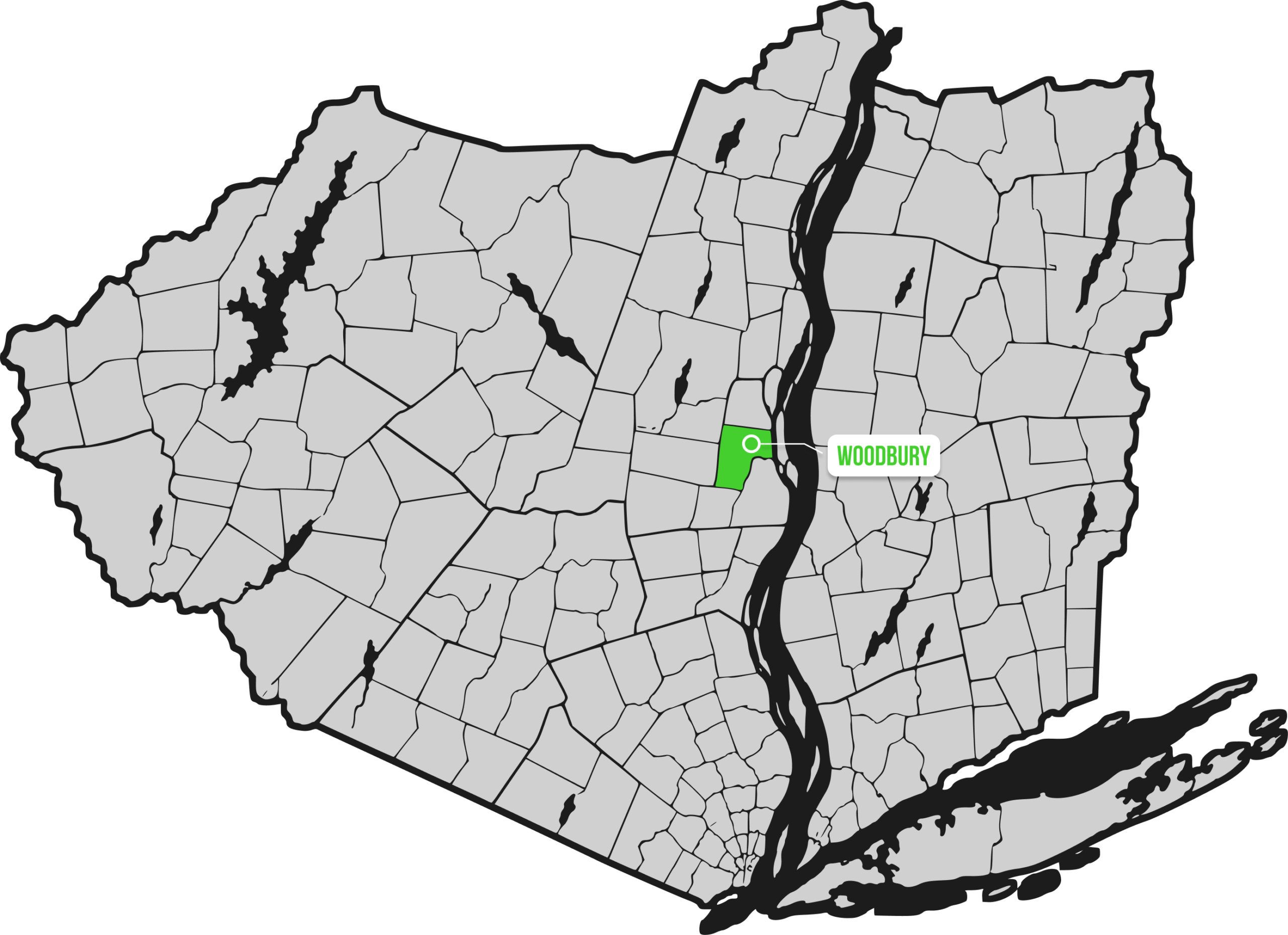
Spotted Lanternfly Help Throughout the Hudson Valley
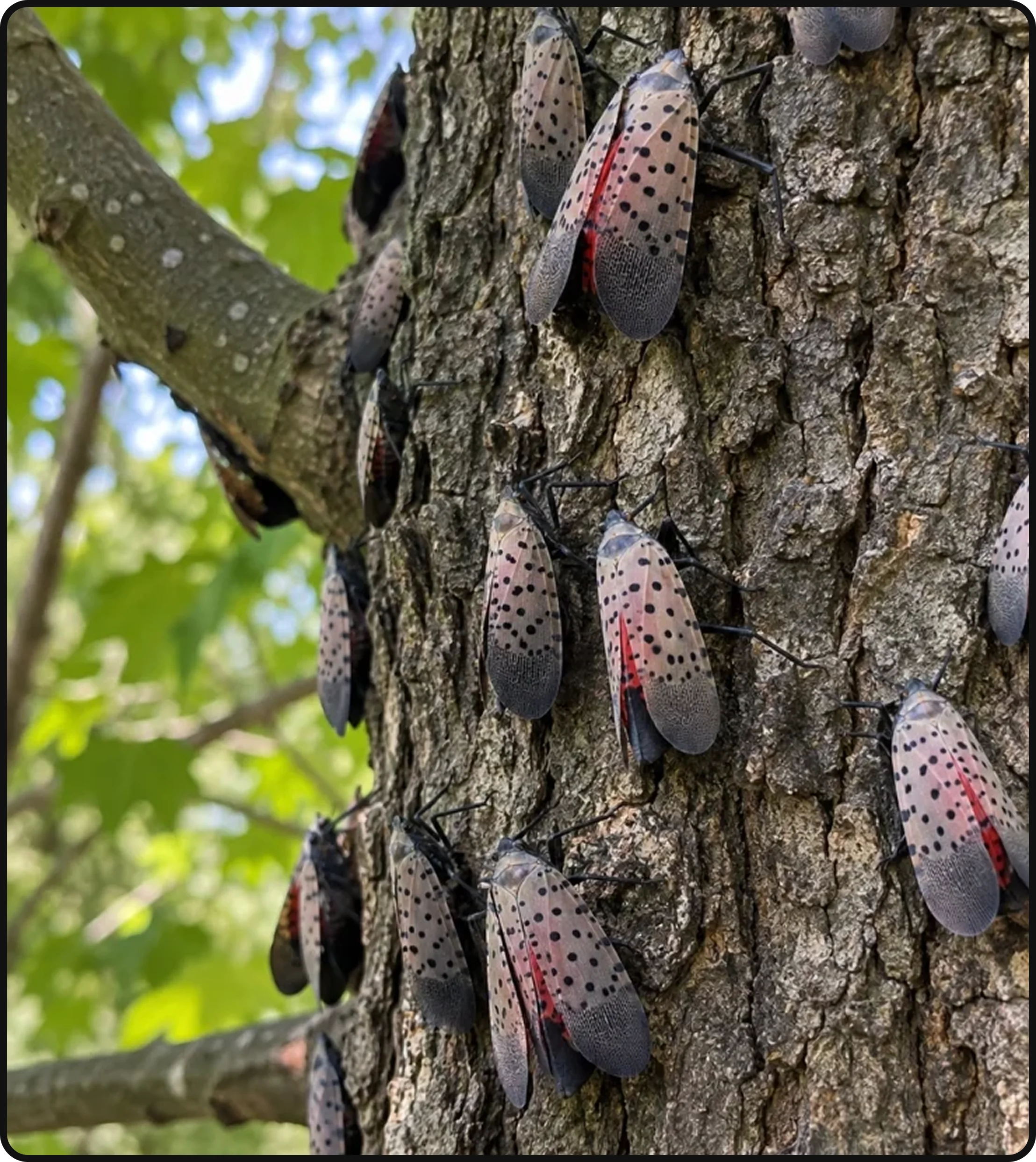
Why Are So Many Spotted Lanternflies Gathering on One Tree?
That’s one of the most common things that makes this pest seem so unusual.
You may have an entire property full of vegetation, yet much of the activity is concentrated around one or two plants.
That happens because spotted lanternflies don’t use every plant equally.
They feed on many different plants during their development, but certain host plants can become particularly attractive.
Tree-of-Heaven Is Worth Knowing
Tree-of-heaven is closely associated with spotted lanternfly.
Properties containing this invasive tree—or areas nearby where it grows—can experience considerable activity.
Learning to recognize important host plants can therefore be part of understanding why lanternflies are gathering where they are.
The Insect Changes Dramatically During the Year
The spotted lanternfly lifecycle looks almost like several different insects.
Young nymphs begin dark with white spots.
Later-stage nymphs develop distinctive red coloration.
Adults have grayish forewings with dark spotting and striking red coloration visible when the wings open.
Egg masses are different again.
Fresh masses can appear as grayish, putty-like patches on trees and other surfaces before weathering over time.
That changing appearance is one reason homeowners sometimes don’t realize they’re looking at the same pest.
And They Don’t Only Lay Eggs on Trees
This is an important part of how spotted lanternflies spread.
Egg masses can be laid on many relatively smooth outdoor surfaces.
That means people can unknowingly transport them on outdoor objects, vehicles, equipment, or materials.
Stopping that accidental movement remains an important part of managing the invasive insect. Cornell specifically identifies slowing the spread as a key management objective.
What’s the Sticky Stuff Beneath the Tree?
Heavy lanternfly activity can produce a considerable amount of honeydew.
The sticky material may coat:
- Patios
- Outdoor furniture
- Vehicles
- Decks
- Walkways
- Landscaping beneath trees
Black sooty mold can then grow on honeydew-covered surfaces.
For many homeowners, this mess—not direct damage to the tree—is when lanternflies become especially frustrating.
What Can Homeowners Do?
Mechanical controls can sometimes help.
Cornell lists management tools including removing egg masses, circle traps, sticky bands with precautions for non-target animals, vacuum removal, and insecticides when appropriate.
The appropriate choice depends on the property and level of activity.
One method isn’t automatically right for every situation.
Should You Report Them?
Cornell continues to encourage New Yorkers to document and report spotted lanternfly sightings, particularly in areas where established populations are not already known. Photographs, location information, and evidence such as egg masses can be useful.
Don’t Panic. Manage the Actual Problem.
Spotted lanternflies are invasive and deserve attention.
But seeing one doesn’t mean every tree on the property needs to be treated.
Hollenbeck Pest Control can help you determine what’s occurring around your property and whether professional management makes sense.
Spotted Lanternfly Questions
Why do ants keep coming back after I spray them?
Sprays may kill visible worker ants without eliminating the colony responsible for the activity. If the nest remains active, additional ants can continue appearing.
What ants are common in the Hudson Valley?
Several ant species can become problems around Hudson Valley properties, including carpenter ants, pavement ants, and other common household ants. Proper identification is important because treatment strategies can vary by species.
Are carpenter ants dangerous to my home?
Carpenter ants don’t eat wood like termites, but they excavate wood to create nesting galleries. Established colonies inside structural wood can cause damage over time and may be associated with moisture problems.
How can I tell the difference between carpenter ants and termites?
Carpenter ants and termites differ in appearance and behavior. Carpenter ants excavate wood for nesting, while termites consume cellulose. Because both can indicate a potentially serious pest issue, professional identification is recommended.
Do you treat ants inside and outside?
Yes. Depending on the infestation, ant control may involve interior activity, exterior nesting areas, entry points, or a combination of treatments.
Does Hollenbeck offer ongoing ant prevention?
Yes. Hollenbeck offers preventative service plans covering more than 30 standard pests for customers who want ongoing protection.
Too Many Lanternflies
Around Your Property?
Don’t automatically treat every tree.
Start by understanding why they’re there and how extensive the problem actually is.